x

 Oil On CanvasWallArt
 1914Early Modern
 29.0 x 38.0 cm
 Biblioteca Nacional de Gales
Óleo sobre lienzo pintado a mano en el tamaño y marco de su elección, realizado por encargo por nuestros artistas. ( Pedir impresión Comprar descarga)





























Elija entre nuestros tamaños predefinidos que respetan las proporciones originales de la obra.

Puede ingresar sus propias dimensiones para adaptarse a un marco o espacio específico. Si el tamaño seleccionado no coincide con las proporciones de la imagen original, recortaremos la obra o extenderemos la pintura con elementos adicionales pintados a mano. Se le enviará una maqueta digital para su aprobación antes de comenzar la producción.
Tenga en cuenta que la vista previa en pantalla no refleja el recorte o la extensión reales. Solo la maqueta mostrará con precisión la composición final.
Si bien existen tamaños personalizados, recomendamos seleccionar una dimensión de la lista predefinida para preservar las proporciones originales.
Envío a todo el mundo () en 3-4 semanas en lugar de las 5 semanas estándar. (18 agosto). Sin comprometer la calidad.


Tangiers
Tamaño de la reproducción
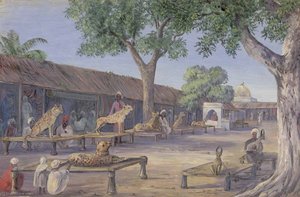
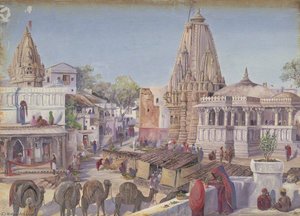
To stand before this depiction of Tangiers is to be instantly transported across continents and through the veil of time. Christopher Williams has captured not merely a location, but a palpable moment—the very breath of a bustling marketplace in early 20th-century Morocco. The scene explodes with life; one can almost hear the calls of vendors mingling with the clatter of hooves from the horse visible in the background. It is a rich tapestry woven from human interaction and exotic architecture, inviting the viewer to step directly into its vibrant chaos.
Williams’s technique here showcases an impressive ability to render depth and atmosphere simultaneously. The composition draws the eye through the foreground activity toward the intriguing archway, which acts as a visual portal into a more secluded courtyard setting. Notice the interplay between the solid, detailed architecture framing the scene and the softer textures of the tents and gathered crowds. This masterful handling of light suggests an intense Mediterranean sun filtering through narrow alleyways, illuminating faces caught in moments of conversation or commerce. The sheer number of figures—at least thirteen visible souls—lends a documentary quality to the piece, celebrating the enduring rhythm of daily life.
Painted in 1914, this work sits at a fascinating historical juncture, capturing Tangiers before the sweeping changes that would define the decades to come. For collectors and those drawn to global narratives, it offers an intimate window into a specific cultural moment. Williams, while celebrated for his Welsh identity, possessed an eye capable of absorbing and interpreting the universal human experience through diverse locales. The marketplace itself becomes a microcosm of cross-cultural exchange—a place where goods, stories, and people from disparate backgrounds converged.
For interior designers or art lovers seeking to infuse a space with worldly character, this reproduction offers unparalleled depth. It moves beyond mere decoration; it acts as an emotional anchor, suggesting adventure and warmth. The rich palette—the earthy tones of the buildings contrasted with the varied colors of clothing and goods—will provide a stunning focal point in any room. Owning this piece is not just acquiring art; it is curating a narrative of travel, history, and enduring human vitality for your walls.

Christopher David Williams (1873-1934) fue un destacado artista galés cuya carrera abarcó la última época victoriana y los primeros años del siglo XX. Es especialmente recordado por sus evocadoras retratos, escenas alegóricas y paisajes que a menudo reflejaban un fuerte sentido de la identidad galesa y el espíritu del Renacimiento Celta.
Nacido en Maesygwrath, Gales, Williams inicialmente enfrentó la oposición de su padre, Evan Williams, quien había imaginado una carrera médica para él. Sin embargo, una visita transformadora a la Galería Walker de Liverpool en 1892, donde quedó profundamente conmovido por *Perseus y Andromeda* de Frederick Leighton, encendió su pasión por el arte. Esta experiencia consolidó su determinación para vivir como artista.
La obra de Williams se caracteriza por:
Christopher Williams desempeñó un papel importante para promover el arte y la cultura galesa durante su vida. Participó activamente en el National Eisteddfod como jurado y sirvió en comités para el Museo Nacional de Gales y la Honorable Sociedad de Cymmrodorion. Su obra refleja un fuerte sentido de identidad nacional y contribuyó al florecimiento artístico de Gales a principios del siglo XX.
Sus pinturas se conservan en numerosas colecciones públicas, incluyendo el Museo Nacional de Gales, la Colección Real y la Galería Glynn Vivian, asegurando que su legado continúe inspirando y cautivando al público hoy en día. Él era hermano cuñado del artista Fred Appleyard, y padre del astrónomo Evan Gwyn Williams y el artista Ivor Williams.

1873 - 1934 , Estados Unidos de América

Descubre las 25 obras maestras de Marianne North, la artista victoriana que capturó la belleza exótica de la botánica. Pinturas vibrantes y llenas de historia. Reproducciones de arte exclusivas en Most-Famous-Paintings.com.

Explore the captivating journey of street art from urban walls to prestigious galleries. Discover how contemporary graffiti has evolved into a high-end collectible movement, redefining modern interior design and global art culture.

Descubre la evolución del arte urbano y su impacto en el coleccionismo. Análisis de artistas clave, técnicas innovadoras e inversión en obras de street art. Guía experta para coleccionistas.

Explore the rich history of genre painting! Discover Dutch Masters & European artists who captured everyday life with stunning realism. Learn about symbolism, techniques & lasting influence.

Master the bold, dusty textures of street and pop art. Discover how chalk-inspired aesthetics and high-impact graphic styles are redefining modern urban interiors through tactile pigment and raw, energetic design.


Manténgase al día con las últimas noticias de arte, ofertas exclusivas e ideas de decoración.
Cuéntanos sobre tu proyecto y nuestros expertos en arte te ofrecerán 3 sugerencias de obras personalizadas.
Dejamos que nosotros seleccionemos 3 opciones exclusivas para ti – ¡Gratis!


 Vista previa
 Compartir
 Compartir
 Ver detalles

 Descargar
 Ver similares
 Radiografía
 Presentación de diapositivas
 Leer más







 La opción de vidrio solo está disponible en tamaños inferiores a 110 cm.