


x


 Vorticism
 1932Modern
 65.0 x 75.0 cm
 Galería de Arte y Museo de Salford
Impresión giclée o en lienzo de calidad de museo con producción rápida y opciones de acabado flexibles. ( Switch to hand made Painting Switch to Image)





























Elija entre nuestros tamaños predefinidos que respetan las proporciones originales de la obra.

Puede introducir sus propias dimensiones para adaptarse a un marco o espacio específico. Si el tamaño seleccionado no coincide con las proporciones de la imagen original, recortaremos la obra de arte o extenderemos la imagen con un borde con efecto espejo o de color sólido. Se enviará una maqueta digital para su aprobación antes de que comience la producción.
Tenga en cuenta que la vista previa en pantalla no refleja el recorte o la extensión real. Solo la maqueta mostrará con precisión la composición final.
Aunque existen tamaños personalizados, recomendamos seleccionar una dimensión de la lista predefinida para preservar las proporciones originales.
Entrega mundial () en 2 semanas en lugar de las 4/5 semanas estándar. (28 julio)


Storm Clouds
Tamaño de la reproducción
In the evocative landscape of David Bomberg, nature is never merely a backdrop; it is a living, breathing protagonist. His 1932 masterpiece, Storm Clouds, invites the viewer into a realm where the terrestrial and the celestial collide in a breathtaking display of raw power and quietude. The painting captures a majestic mountain range, draped in lush greenery, rising with silent strength against an expansive sky. Scattered clouds drift across the firmament, acting as brushstrokes of light and shadow that lend a profound sense of depth and dimension to the composition. This is not just a depiction of scenery, but a window into the very soul of the earth, where every peak and valley tells a story of endurance and timeless beauty.
The technique employed in this work reflects Bomberg’s sophisticated command over form and atmosphere. Through a masterful application of color and texture, the artist achieves a remarkable balance between movement and stillness. The palette is carefully curated to evoke a sense of tranquility; soft greens and earthy tones ground the viewer in the physical reality of the mountains, while the shifting grays and whites of the clouds introduce a dynamic, ethereal quality. For the discerning collector or interior designer, this piece offers a unique opportunity to introduce a focal point that possesses both weight and lightness—a work that commands attention through its subtle complexities rather than through overt spectacle.
To understand Storm Clouds, one must consider the artistic lineage of David Bomberg. As a prominent figure among the 'Whitechapel Boys,' Bomberg’s journey was shaped by the radical energies of early 20th-century modernism, including the influences of Cubism and the structural lessons of Cézanne. Yet, in this particular work, we see a departure from the purely geometric toward a more organic, emotive expressionism. The painting serves as a testament to his ability to synthesize the structured lessons of his training with a deep, spiritual connection to the natural world. It captures a moment of atmospheric tension—the breath held before a storm—creating an emotional resonance that is both unsettling and deeply peaceful.
For those seeking to curate a space of reflection and inspiration, this reproduction offers more than mere decoration; it provides an atmosphere. The interplay of light through the clouds and the solid permanence of the mountains create a sanctuary of serenity within any room. Whether placed in a contemporary gallery-style living area or a classic study, Storm Clouds acts as a meditative anchor, reminding us of the sublime beauty that exists in the fleeting moments of our natural world. It is an investment in artistry that brings the enduring spirit of the landscape into the intimacy of the home.
Nacido en Birmingham, hijo de inmigrantes judíos polacos, Abraham y Rebecca Bomberg. La familia se mudó a Whitechapel, Londres, en 1895.
Inicialmente estudió en la Escuela Técnica de Arte y Artesanía de la Ciudad y el Condado antes de formarse como litógrafo en Birmingham.
Estudió bajo Walter Sickert en la Escuela de Arte Westminster (1908-1910), donde se vio influenciado por el enfoque de Sickert en la forma y la vida urbana.
Gran exposición a Paul Cézanne a través de la exposición de 1910 de Roger Fry "Manet y los Postimpresionistas".
Asistió a la Escuela de Arte Slade (1911), ganando el Premio Tonks por su dibujo del compañero estudiante Isaac Rosenberg.
Las experiencias como soldado privado durante la Primera Guerra Mundial impactaron profundamente su visión artística, lo que llevó a un alejamiento de la abstracción.
La década de 1920 vio a Bomberg adoptar un estilo más figurativo, centrándose en retratos y paisajes dibujados directamente de la naturaleza.
Desarrolló una técnica cada vez más expresionista, marcada por el impasto texturizado y la intensidad emocional.
Extensos viajes por Oriente Medio (especialmente Palestina) y Europa influyeron significativamente en su obra posterior. Sus representaciones de Jerusalén son particularmente notables.

1890 - 1957 , Reino Unido
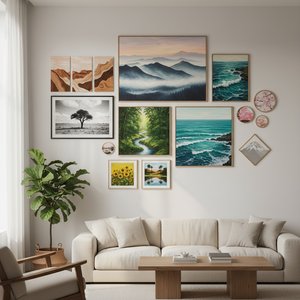
Descubre los 10 paisajes más emblemáticos de la historia del arte, desde Monet a Van Gogh. Explora su significado, técnica y belleza atemporal. Encuentra reproducciones de alta calidad e inspira tu hogar con Most-Famous-Paintings.com.
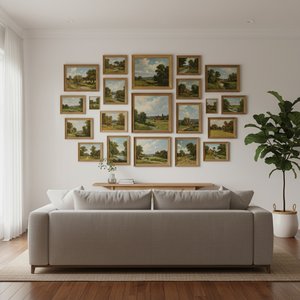
Descubre las 25 obras maestras de John Constable, el pintor romántico inglés que capturó la belleza del paisaje. Explora su técnica, historia y significado en Most-Famous-Paintings.com. Reproducciones de arte de alta calidad para tu hogar.

Descubre los 10 paisajes románticos más influyentes de artistas como Caspar David Friedrich y Turner. Explora la belleza, el simbolismo y las técnicas del movimiento romántico. Reproducciones de arte exclusivas en Most-Famous-Paintings.com.

Explore the rich history of landscape art with Most-Famous-Paintings. Discover renowned artists, movements like Impressionism & Romanticism, and expert guidance for collecting timeless pieces. Find your perfect serene escape today!
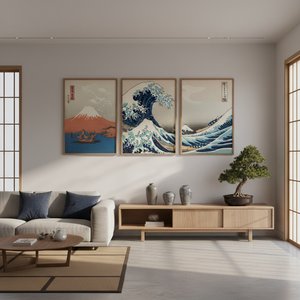
Descubre las 25 obras maestras de Katsushika Hokusai, el genio del ukiyo-e. Explora 'La Gran Ola', paisajes japoneses y su impacto en el arte moderno. Reproducciones de alta calidad para tu hogar en Most-Famous-Paintings.com.


Manténgase al día con las últimas noticias de arte, ofertas exclusivas e ideas de decoración.
Cuéntanos sobre tu proyecto y nuestros expertos en arte te ofrecerán 3 sugerencias de obras personalizadas.
Permítenos seleccionar 3 opciones solo para ti – ¡Gratis!


 Preview
 Enviar
 Compartir
 Detalles

 Descargar
 Similares
 Radiografía
 Presentación de diapositivas
 Ver más







 La opción de vidrio solo está disponible en tamaños inferiores a 110 cm.


