x

Impresiones giclée o en lienzo de calidad de museo con producción rápida y opciones de acabado flexibles. ( Encargar reproducción pintada a mano Comprar descarga)





























Elija entre nuestros tamaños predefinidos que respetan las proporciones originales de la obra.

Puede introducir sus propias dimensiones para adaptarse a un marco o espacio específico. Si el tamaño seleccionado no coincide con las proporciones de la imagen original, recortaremos la obra de arte o extenderemos la imagen con un borde con efecto espejo o de color sólido. Se enviará una maqueta digital para su aprobación antes de que comience la producción.
Tenga en cuenta que la vista previa en pantalla no refleja el recorte o la extensión real. Solo la maqueta mostrará con precisión la composición final.
Aunque existen tamaños personalizados, recomendamos seleccionar una dimensión de la lista predefinida para preservar las proporciones originales.
Envío a todo el mundo () en 2 semanas en lugar de las 4/5 semanas estándar. (18 agosto)


untitled (4294)
Tamaño de la reproducción
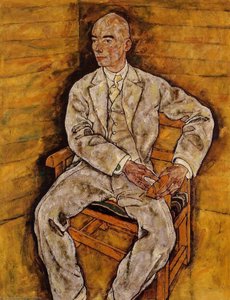
Egon Schiele's "Untitled (4294)" is not merely a depiction of a woman; it’s an unflinching exploration of the human condition, rendered with the raw intensity characteristic of the Expressionist movement. Painted in 1918, just months before his untimely death at the age of 28, this work embodies Schiele's preoccupation with mortality, sexuality, and the psychological complexities of existence – themes that resonated deeply within his intensely personal artistic vision.
The image presents a nude female figure, her form strikingly large and undeniably powerful. Her posture is both vulnerable and defiant, drawing the viewer into an intimate yet unsettling encounter. The artist’s signature elongated lines dominate the composition, creating a sense of dynamism and movement that seems to vibrate off the canvas. Notice how Schiele masterfully utilizes broken brushstrokes and a deliberately uneven surface – techniques designed to convey emotional turmoil rather than smooth realism.
Schiele’s technique is immediately recognizable. He eschewed traditional academic approaches, favoring instead a highly personal style characterized by distorted perspectives, exaggerated proportions, and an almost obsessive attention to line. The figure's body isn’t idealized; it’s rendered with a deliberate awkwardness, reflecting the artist’s own anxieties about physicality and vulnerability. The use of dark, somber colors – predominantly browns, blacks, and muted reds – further amplifies this sense of unease and impending doom.
Observe how Schiele employs negative space to great effect. The stark simplicity of the background—a bare wall and a chair—serves only to heighten the impact of the central figure. This deliberate reduction in visual information forces the viewer to confront the raw emotion conveyed by the woman’s pose and expression. The object she holds, tentatively identified as either a bird or a fish, adds another layer of ambiguity, perhaps symbolizing fleeting beauty, instinctual desires, or even the fragility of life itself.
Schiele's life was marked by profound personal tragedy. His father’s death from syphilis at a young age cast a long shadow over his artistic output, fueling an obsession with themes of illness, decay, and the inevitability of mortality. This painting can be interpreted as a visual manifestation of these anxieties – a confrontation with the darker aspects of human existence. The woman's gaze is direct and challenging, suggesting a quiet resilience in the face of overwhelming despair.
Considering Schiele’s biography reveals a man grappling with his own demons, struggling to reconcile his artistic aspirations with the limitations imposed by his personal circumstances. His work often reflects this internal conflict – a tension between beauty and ugliness, life and death, vulnerability and strength. “Untitled (4294)” stands as a poignant testament to this struggle, offering a glimpse into the tormented soul of one of Expressionism’s most compelling figures.
Most-Famous-Paintings offers meticulously crafted hand-painted reproductions of "Untitled (4294)" that capture the essence of Schiele’s artistic genius. Each reproduction is created by skilled artists using traditional techniques, ensuring a faithful representation of the original while retaining its unique emotional power. Whether you're an art collector, interior designer seeking to infuse your space with a touch of dramatic intensity, or simply an admirer of Schiele’s evocative style, our reproductions provide a beautiful and authentic way to experience this iconic work.
Explore the full artwork details and available sizes on our website. Discover how you can bring Schiele’s haunting vision into your home today.

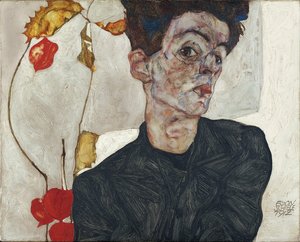
1890 - 1918 , Croacia

Explore the profound history of Expressionism. From Edvard Munch to Jackson Pollock, discover how artists used distortion and color to convey raw emotion. A definitive guide for art lovers seeking deep historical context and mastery in fine art reproductions.

Explore the profound history of Surrealist Expressionism. Discover how artists blended dream logic with raw emotion to navigate post-war trauma through masterful, evocative imagery and psychological depth.
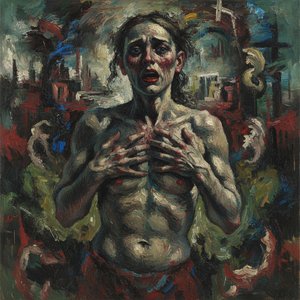
Explore the profound depth of Figurative Expressionism. From Edvard Munch to William H. Johnson, learn how masters use the human form to capture raw emotion through color and distortion in this expert art history guide.

Explore the profound emotional depth of Expressionist portraiture. From Edvard Munch to Francis Bacon, discover how masters used distortion and color to reveal inner truths. Learn about this pivotal movement and find museum-quality oil reproductions for your collection.

Explore the raw emotion and visceral power of Neo-Expressionism. From Basquiat's urban energy to the rejection of Minimalism, discover the history behind this transformative movement through our expert art guides and museum-quality reproductions.


Manténgase al día con las últimas noticias de arte, ofertas exclusivas e ideas de decoración.
Cuéntanos sobre tu proyecto y nuestros expertos en arte te ofrecerán 3 sugerencias de obras personalizadas.
Dejamos que nosotros seleccionemos 3 opciones exclusivas para ti – ¡Gratis!


 Vista previa
 Compartir
 Compartir
 Ver detalles

 Descargar
 Ver similares
 Radiografía
 Presentación de diapositivas
 Leer más







 La opción de vidrio solo está disponible en tamaños inferiores a 110 cm.