


x
Impresiones giclée o en lienzo de calidad de museo con producción rápida y opciones de acabado flexibles. ( Comprar pintura hecha a mano Comprar imagen)





























Elija entre nuestros tamaños predefinidos que respetan las proporciones originales de la obra.

Puede introducir sus propias dimensiones para adaptarse a un marco o espacio específico. Si el tamaño seleccionado no coincide con las proporciones de la imagen original, recortaremos la obra de arte o extenderemos la imagen con un borde con efecto espejo o de color sólido. Se enviará una maqueta digital para su aprobación antes de que comience la producción.
Tenga en cuenta que la vista previa en pantalla no refleja el recorte o la extensión real. Solo la maqueta mostrará con precisión la composición final.
Aunque existen tamaños personalizados, recomendamos seleccionar una dimensión de la lista predefinida para preservar las proporciones originales.
Envío a todo el mundo () en 2 semanas en lugar de las 4/5 semanas estándar. (23 agosto)


untitled (6273)
Dimensiones de la reproducción
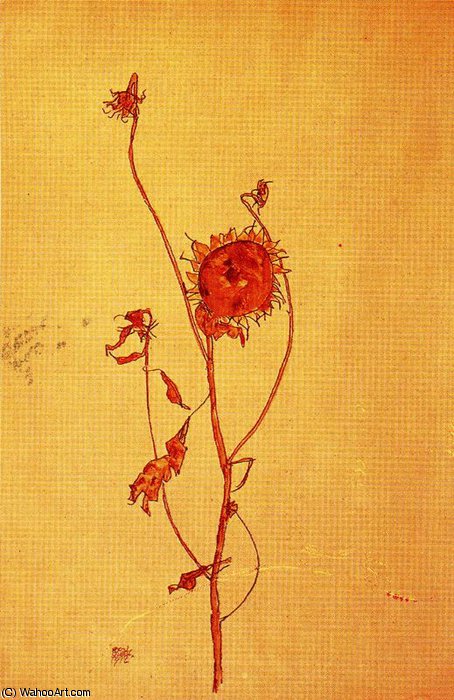
Egon Schiele's "Untitled (6273)," a captivating close-up of a sunflower rendered with an intensity rarely matched in early 20th-century art, offers a poignant glimpse into the artist’s tormented psyche. Painted during a period marked by personal tragedy and burgeoning Expressionist fervor, this work transcends mere botanical representation to become a deeply symbolic meditation on life, death, and the unsettling beauty of decay. The painting, though lacking precise dating or dimensions, embodies Schiele's signature style – bold lines, distorted forms, and an unnerving honesty that confronts the viewer with uncomfortable truths about existence.
Schiele’s artistic journey was profoundly shaped by loss and instability. Born in 1890 in Tulln an der Donau, Austria, he experienced early hardship including the death of his father from syphilis at just fourteen years old – a trauma that would permeate much of his oeuvre. This familial sorrow, coupled with the premature deaths of his sister Elvira and later his mother, fueled a preoccupation with mortality and the fragility of human life. His uncle, Leopold Czihaczek, acting as guardian after his father’s demise, provided a somewhat stifling environment that fostered Schiele's independent spirit, yet also contributed to his sense of isolation. This backdrop of personal struggle is undeniably present in the raw emotion conveyed within “Untitled (6273).”
The sunflower itself holds a complex and layered symbolism. Traditionally associated with adoration and loyalty, its vibrant yellow petals represent warmth, happiness, and longevity – qualities seemingly at odds with the painting’s overall mood. However, Schiele deliberately subverts these conventional meanings. The flower's exaggerated size and the way it sprawls across the canvas suggest an almost frantic attempt to grasp onto fleeting beauty before it inevitably fades. The drooping petals hint at decay and vulnerability, mirroring the artist’s own anxieties about mortality.
Adding to this symbolic richness are the two smaller flowers in the background – a subtle counterpoint to the dominant sunflower. Their presence could be interpreted as reminders of past joys or lost loved ones, further emphasizing the theme of transience. The inclusion of three butterflies—one near the top left corner and two clustered towards the center—heightens the sense of movement and transformation. Butterflies are universally recognized symbols of metamorphosis and rebirth, yet their delicate wings also suggest fragility and vulnerability, aligning with Schiele’s broader exploration of life's ephemeral nature.
Schiele’s technique in “Untitled (6273)” is characterized by a distinctive use of line – thick, gestural strokes that convey both energy and unease. The sunflowers are rendered with an almost obsessive attention to detail, yet their forms are subtly distorted, creating a sense of tension and instability. The background flowers are sketched with a looser hand, providing a visual contrast to the foreground’s intense focus. This deliberate juxtaposition of precision and spontaneity reflects Schiele's artistic approach – a desire to capture not just appearances but also the underlying emotions and psychological states.
The painting’s color palette is dominated by warm yellows and browns, creating a sense of intimacy and immediacy. However, subtle hints of blue and green are interwoven throughout the composition, adding depth and complexity. Schiele's masterful use of light and shadow further enhances the work’s emotional impact, casting dramatic highlights on the sunflower petals and creating areas of deep darkness that suggest hidden anxieties.
"Untitled (6273)" is more than just a botanical study; it's a profound expression of Schiele’s inner turmoil. It’s a testament to his ability to transform personal suffering into powerful and enduring art. Reproductions of this work offer a unique opportunity to experience the intensity and vulnerability that define Schiele’s artistic vision, inviting viewers to contemplate the beauty and fragility of life in all its complexity. Consider commissioning a hand-painted reproduction from Most-Famous-Paintings.com – a faithful recreation of this emotionally resonant masterpiece for your home or office.

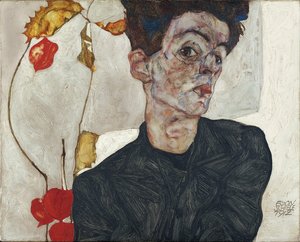
1890 - 1918 , Croacia

Explore the profound history of red flower masterpieces, from Renaissance botanical realism to O'Keeffe's modernism. Discover how iconic crimson blooms have shaped art history and find museum-quality hand-painted reproductions for your collection.

Explore the profound history of Expressionism. From Edvard Munch to Jackson Pollock, discover how artists used distortion and color to convey raw emotion. A definitive guide for art lovers seeking deep historical context and mastery in fine art reproductions.

Explore the profound history of Surrealist Expressionism. Discover how artists blended dream logic with raw emotion to navigate post-war trauma through masterful, evocative imagery and psychological depth.


Manténgase al día con las últimas noticias de arte, ofertas exclusivas e ideas de decoración.
Cuéntanos sobre tu proyecto y nuestros expertos en arte te ofrecerán 3 sugerencias de obras personalizadas.
Permítenos seleccionar 3 opciones exclusivas para ti – ¡Gratis!


 Ver en contexto
 Enviar
 Compartir
 Detalles

 Descargar
 Similares
 Radiografía
 Presentación de diapositivas

 Ver más







 La opción de vidrio solo está disponible en tamaños inferiores a 110 cm.


