


x

Adquiera una imagen digital de alta resolución y optimizada, muy superior a la vista previa en línea.
Cada archivo es preparado meticulosamente por nuestros especialistas internos mediante el uso de herramientas avanzadas y un experto retoque manual. Nos aseguramos de que cada imagen posea una claridad excepcional, una precisión cromática impecable y un detalle minucioso.
El archivo final se entrega por correo electrónico en un plazo de 72 horas, optimizado para su uso inmediato en entornos profesionales, editoriales y de impresión. Esta es la misma calidad en la que confían los estudios de diseño, las editoriales y las galerías de primer nivel.
Descarga un archivo de alta resolución para exhibición personal, impresión y proyectos creativos. ( Pedir impresión Encargar reproducción pintada a mano)
Al elegir Most-Famous-Paintings.com, no solo está adquiriendo una imagen; está recibiendo una obra de arte digital mejorada profesionalmente, elaborada con precisión y respaldada por una garantía de satisfacción. Esto es todo lo que incluye su pedido, automáticamente:

Recibirá su archivo de imagen digital en alta resolución por correo electrónico en un plazo de 72 horas tras realizar su pedido, listo para su uso inmediato.

Su obra de arte se optimiza profesionalmente mediante herramientas avanzadas de IA y edición manual, garantizando el máximo detalle, claridad y precisión cromática.

¿Has borrado o perdido tu archivo por error? No te preocupes: te lo volveremos a enviar en cualquier momento, sin coste adicional.

Disfrute de su obra de arte al instante sin aduanas, aranceles ni gastos de envío; las descargas digitales siempre están libres de impuestos.

Garantizamos que su imagen digital refleje los colores originales con la mayor fidelidad posible, mediante el uso de herramientas profesionales y gestión del color.

Si no está satisfecho con su imagen digital, la revisaremos o le reembolsaremos el 100% en un plazo de 60 días, sin preguntas.

¿No está satisfecho? Obtenga un reembolso completo dentro de los 60 días posteriores a la recepción de su archivo digital, sin necesidad de explicaciones.

Compra 3 imágenes, ahorra 10% - Compra 5, ahorra 15% - Compra 10+, ahorra 20%. Ideal para proyectos creativos, galerías y agencias.
Egon Schiele’s “Untitled (7228),” a stark black and white depiction of a densely populated cityscape, isn’t merely a painting; it’s a distilled essence of anxiety, mortality, and the relentless march of time. Created during his tragically short but intensely productive career – spanning from 1890 to 1918 – this work embodies the core tenets of Expressionism, capturing not just visual reality but also the emotional turmoil simmering beneath its surface. The image presents a scene dominated by towering buildings, their silhouettes punctuated by the solemnity of church spires and the subtle chaos of chimneys rising from humble dwellings. A blanket of snow covers the ground, lending an atmosphere of quiet desolation and emphasizing the cold, isolating nature of urban existence.
Schiele’s technique is immediately arresting. He employs a deliberately angular and fragmented approach to his lines, creating a sense of unease and distortion. The buildings aren't rendered with smooth, idealized forms; instead, they are jagged, almost skeletal, suggesting fragility and decay. This deliberate roughness contrasts sharply with the meticulous detail he applies to certain elements – perhaps the texture of the snow or the intricate patterns on some of the rooftops – creating a dynamic tension within the composition. The limited palette of black, white, and grey further amplifies this effect, stripping away any potential for warmth or comfort and forcing the viewer to confront the stark realities presented.
Schiele’s personal life profoundly shaped his artistic vision, and “Untitled (7228)” is deeply intertwined with themes of loss and mortality. His father's death from syphilis at a young age cast a long shadow over his existence, fueling an obsession with the fragility of human life and the inevitability of decay. This preoccupation manifests powerfully in the painting’s overall mood – a palpable sense of melancholy and impending doom. The repetitive nature of the buildings, mirroring the relentless cycle of urban life, can be interpreted as a metaphor for the cyclical nature of existence itself, constantly reminding us of our own mortality.
The image also subtly echoes Schiele's fascination with death, a recurring motif in his oeuvre. While not explicitly depicting a corpse or a funeral scene, the painting’s somber atmosphere and the suggestion of isolation evoke a sense of mourning. The stark contrast between light and shadow further contributes to this feeling of unease, as if the city itself is shrouded in grief.
Beyond its emotional impact, “Untitled (7228)” offers a fascinating study in architectural symbolism. The variety of building styles – from grand churches to modest houses – reflects the social stratification of the era and hints at the underlying tensions within urban society. The towering spires of the churches can be interpreted as symbols of authority and tradition, while the smaller dwellings represent the struggles of everyday life. The chimneys, a common feature of European cities, suggest both warmth and industry, but also the potential for pollution and decay.
Interestingly, Schiele’s early interest in trains – a motif that occasionally appears in his work – is subtly present here as well. The dense arrangement of buildings can be seen as a visual equivalent to a railway station, evoking a sense of movement, transit, and the constant flow of people through the city. This connection adds another layer of complexity to the painting’s meaning, suggesting a broader commentary on human experience and the relentless pursuit of progress.
Most-Famous-Paintings offers meticulously crafted hand-painted reproductions of Egon Schiele's “Untitled (7228),” allowing you to bring this powerfully evocative artwork into your home or office. Each reproduction is created using traditional oil painting techniques, faithfully capturing the artist’s distinctive style and emotional intensity. More than just a decorative piece, this reproduction serves as a poignant reminder of Schiele's profound insights into the human condition – a testament to the beauty and sorrow inherent in our shared experience. Explore the full artwork details here.

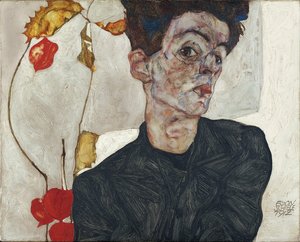
1890 - 1918 , Croacia


Manténgase al día con las últimas noticias de arte, ofertas exclusivas e ideas de decoración.
Cuéntanos sobre tu proyecto y nuestros expertos en arte te ofrecerán 3 sugerencias de obras personalizadas.
Dejamos que nosotros seleccionemos 3 opciones exclusivas para ti – ¡Gratis!


 Vista previa
 Compartir
 Compartir
 Ver detalles

 Descargar
 Ver similares
 Radiografía
 Presentación de diapositivas
 Leer más


