x


Impresión giclée o en lienzo de calidad de museo con producción rápida y opciones de acabado flexibles. ( Switch to hand made Painting Switch to Image)
Elija entre nuestros tamaños predefinidos que respetan las proporciones originales de la obra.

Puede introducir sus propias dimensiones para adaptarse a un marco o espacio específico. Si el tamaño seleccionado no coincide con las proporciones de la imagen original, recortaremos la obra de arte o extenderemos la imagen con un borde con efecto espejo o de color sólido. Se enviará una maqueta digital para su aprobación antes de que comience la producción.
Tenga en cuenta que la vista previa en pantalla no refleja el recorte o la extensión real. Solo la maqueta mostrará con precisión la composición final.
Aunque existen tamaños personalizados, recomendamos seleccionar una dimensión de la lista predefinida para preservar las proporciones originales.
Entrega mundial () en 2 semanas en lugar de las 4/5 semanas estándar. (28 julio)


untitled (9944)
Tamaño de la reproducción
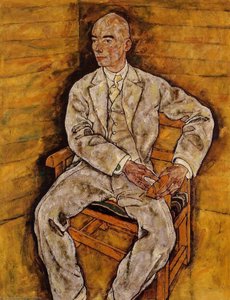
Egon Schiele's "Untitled (9944)," a strikingly intimate drawing, isn’t merely a depiction of the human form; it’s a profound exploration of vulnerability, introspection, and the unsettling beauty of mortality. Created during a turbulent period in his life – 1918, just before his untimely death – this work embodies the core tenets of Austrian Expressionism, showcasing Schiele's signature style characterized by intensely rendered lines, a muted yet emotionally charged palette, and an unnerving honesty that pierces through the surface to reveal a deeply troubled psyche. The drawing’s power lies not in idealized beauty but in its raw, almost brutal realism, capturing a moment of quiet contemplation within a figure grappling with unseen anxieties.
The subject is a nude female form, reclining in a pose that suggests both surrender and resistance. Her body, rendered with meticulous detail through cross-hatching and stippling – techniques that build texture and volume – feels simultaneously fragile and resilient. The lines themselves are not smooth or flowing; they’re sharp, angular, almost aggressive, mirroring the emotional intensity of the scene. The figure's gaze is downward, lost in thought, creating a sense of isolation and inviting the viewer to share in her silent struggle. There’s an undeniable tension between vulnerability and strength, a quiet defiance that elevates the piece beyond a simple nude study.
Schiele's technical prowess is immediately apparent in "Untitled (9944)." He masterfully employs line to define form, creating an illusion of three-dimensionality despite the drawing’s two-dimensional nature. The use of shading isn’t subtle; it’s bold and dramatic, emphasizing musculature and contours with a deliberate intensity. Notice how the darker tones are concentrated in the shadows, adding depth and volume while simultaneously contributing to the overall sense of unease. The monochromatic color scheme – primarily browns and ochres – further enhances this effect, lending the drawing a vintage quality that feels both timeless and deeply personal.
The technique itself suggests a deliberate process of observation and translation. Schiele wasn’t simply sketching; he was dissecting the human form, analyzing its structure and expressing it through his unique visual language. The layering of lines, the careful manipulation of light and shadow – all contribute to a sense of meticulous control tempered by an underlying emotional urgency. It's a testament to his ability to convey complex psychological states through purely formal means.
To understand “Untitled (9944)” fully, it’s crucial to consider the context in which Schiele was creating it – a period marked by personal tragedy and artistic experimentation. His father's death from syphilis, coupled with his sister Elvira’s early demise, cast a long shadow over his life and work. These experiences fueled an obsession with mortality, illness, and the fragility of human existence—themes that permeate much of his oeuvre. The drawing can be interpreted as a meditation on these anxieties, a visual representation of the internal struggles he faced.
Symbolism subtly underscores the piece’s emotional weight. The reclining pose itself is laden with meaning – suggesting both vulnerability and acceptance. The downward gaze hints at introspection and perhaps even despair. The overall composition evokes a sense of isolation, reinforcing the feeling that the figure is grappling with something profound and deeply personal. It's not an overt or didactic symbolism; rather, it’s a quiet, understated resonance that invites contemplation and interpretation.
Egon Schiele’s “Untitled (9944)” is more than just a drawing; it's a poignant window into the soul of a tormented genius. Its raw honesty, technical brilliance, and subtle symbolism continue to resonate with viewers today. Reproductions of this powerful work offer a unique opportunity to experience the intensity of Schiele’s vision firsthand, bringing his deeply personal exploration of human vulnerability and mortality into your own space.
Consider incorporating this piece – or a high-quality reproduction – into your interior design scheme to create an atmosphere of thoughtful contemplation. Its evocative power can serve as a reminder of the complexities of the human experience and the enduring beauty found within moments of quiet introspection.

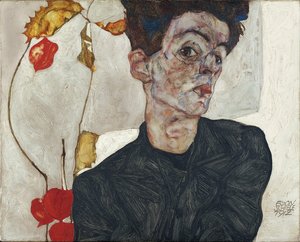
1890 - 1918 , Croacia
Explora la intensidad emocional del Expresionismo Figurado alemán. Descubre sus orígenes, artistas clave como Munch y Kirchner, y su legado en el arte moderno. Análisis experto y profundo.
Descubre las 10 obras maestras del Cubismo Expresionista con Most-Famous-Paintings. Explora la historia de Picasso, Braque y otros artistas clave. Encuentra reproducciones de arte exclusivas para transformar tu hogar. ¡Explora la colección completa en Most-Famous-Paintings.com!

Explore the captivating history of the nude in art! From ancient Greece to modern masters, discover its evolving symbolism, techniques & enduring beauty. Expert insights for collectors and enthusiasts.
Explore the powerful world of Expressionism! Discover key artists like Kirchner & Nolde, understand its emotional impact, and learn about this revolutionary art movement's lasting legacy. Expert insights for collectors & enthusiasts.
Descubre las 25 obras maestras de Mark Rothko, pionero del expresionismo abstracto. Explora la historia, el significado y los colores vibrantes que definen su arte emocional. Reproducciones de alta calidad en Most-Famous-Paintings.com.


Manténgase al día con las últimas noticias de arte, ofertas exclusivas e ideas de decoración.
Cuéntanos sobre tu proyecto y nuestros expertos en arte te ofrecerán 3 sugerencias de obras personalizadas.
Permítenos seleccionar 3 opciones solo para ti – ¡Gratis!


 Enviar
 Compartir
 Detalles

 Descargar
 Similares
 Presentación de diapositivas
 Ver más




































 La opción de vidrio solo está disponible en tamaños inferiores a 110 cm.