


x

 Acrílico sobre lienzoArte de paredBaroque
 1568Renacimiento
 24.0 x 18.0 cm
 Gallería Estense
Óleo sobre lienzo pintado a mano en el tamaño y marco de su elección, realizado por encargo por nuestros artistas. ( Comprar impresión Comprar imagen)





























Elija entre nuestros tamaños predefinidos que respetan las proporciones originales de la obra.

Puede ingresar sus propias dimensiones para adaptarse a un marco o espacio específico. Si el tamaño seleccionado no coincide con las proporciones de la imagen original, recortaremos la obra o extenderemos la pintura con elementos adicionales pintados a mano. Se le enviará una maqueta digital para su aprobación antes de comenzar la producción.
Tenga en cuenta que la vista previa en pantalla no refleja el recorte o la extensión reales. Solo la maqueta mostrará con precisión la composición final.
Si bien existen tamaños personalizados, recomendamos seleccionar una dimensión de la lista predefinida para preservar las proporciones originales.
Envío a todo el mundo () en 3-4 semanas en lugar de las 5 semanas estándar. (24 agosto). Sin comprometer la calidad.


Baptismo de Cristo
Dimensiones de la reproducción
El Greco (Doménikos Theotokópoulos), born in Crete around 1541 and passing away in Toledo in 1614, stands as one of the most singular figures within the panorama of European painting. His artistic trajectory transcended the stylistic conventions of his time, establishing a distinctive visual language that anticipates the expressive currents of Expressionism and Cubism.
The Baptism of Christ is a monumental tempera on panel artwork created in 1568 by El Greco and currently housed at the Galleria Estense in Modena, Italy. Measuring 24 x 18 cm, this painting embodies the artist’s masterful fusion of Byzantine traditions with Mannerist influences and Venetian Renaissance aesthetics.
El Greco's depiction captures a pivotal moment from Christian faith: Jesus Christ’s baptism by John the Baptist in the Jordan River. The scene unfolds with meticulous attention to detail, populated by figures imbued with profound symbolic significance. At the center stands Jesus, enveloped in an aura of divine luminescence, surrounded by a constellation of angels—a deliberate reference to Byzantine iconography—emphasizing his sacred status.
The angel hovering above symbolizes the Holy Spirit, while the individuals positioned on either side represent witnesses to this solemn rite. Each element contributes to a narrative rich in theological depth and invites contemplation on themes of redemption and divine grace. The artist’s use of elongated figures—a hallmark of Mannerism—creates a dramatic tension that underscores the spiritual drama unfolding before the viewer.
El Greco's stylistic innovation distinguishes him from his contemporaries, marking him as a precursor to modern artistic experimentation. His palette vibrates with intense hues—particularly reds and blues—contrasting sharply against muted backgrounds. The artist’s technique is characterized by layering thin glazes of pigment upon the panel surface, achieving remarkable luminosity and textural complexity.
This distinctive approach profoundly impacted subsequent artists, fostering a reconsideration of perspective and proportion. El Greco's influence can be discerned in works by Expressionist painters such as Edvard Munch and Ernst Ludwig Kirchner, who adopted similar expressive gestures and color harmonies to convey emotion and psychological intensity.
Born in Crete—a crossroads of cultures between East and West—El Greco embarked on a formative journey through Venice and Rome before establishing his artistic base in Toledo, Spain. During his time in Toledo, he produced some of his most celebrated paintings, including The Modena Triptych (front panels) and St. Peter in Penitence—works that exemplify his unwavering commitment to artistic excellence.
His oeuvre reflects the intellectual ferment of the Renaissance, absorbing influences from humanist scholarship and incorporating elements of Byzantine spirituality. El Greco’s legacy continues to inspire artists and scholars alike, cementing his position as a pivotal figure in European art history.
El Greco's singular vision—characterized by psychological depth and emotional intensity—resonates across centuries, captivating audiences with its evocative beauty. His rejection of conventional artistic norms established him as a champion of individual expression and paved the way for groundbreaking innovations in painting technique.
The Baptism of Christ stands as a testament to El Greco’s artistic genius—a masterpiece that embodies the spirit of Mannerism and anticipates the transformative impulses of modern art.
For those eager to delve deeper into El Greco's artistic universe, we invite you to explore his extensive repertoire at https://Most-Famous-Paintings.com and https://en.wikipedia.org/wiki/El_Greco.

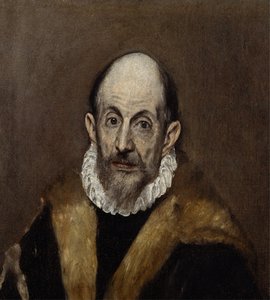
1541 - 1614 , Grecia
Explore the dramatic transition from High Renaissance harmony to Mannerist tension. Discover how masters like El Greco redefined art through distortion and spiritual intensity. An expert guide for art enthusiasts seeking deep historical context and museum-quality inspiration.

Explore the dramatic evolution of Mannerism from High Renaissance perfection to El Greco's spiritual intensity. Discover the history, techniques, and enduring legacy of this transformative era through an expert art-history lens.

Explore the dramatic evolution from Mannerist distortion to Baroque grandeur. Discover how light, shadow, and emotion redefined art history through a masterclass in technical mastery and religious fervor.


Manténgase al día con las últimas noticias de arte, ofertas exclusivas e ideas de decoración.
Cuéntanos sobre tu proyecto y nuestros expertos en arte te ofrecerán 3 sugerencias de obras personalizadas.
Permítenos seleccionar 3 opciones exclusivas para ti – ¡Gratis!


 Ver en contexto
 Enviar
 Compartir
 Detalles

 Descargar
 Similares
 Radiografía
 Presentación de diapositivas
 Ver más







 La opción de vidrio solo está disponible en tamaños inferiores a 110 cm.


