


x

Impresiones giclée o en lienzo de calidad de museo con producción rápida y opciones de acabado flexibles. ( Encargar reproducción pintada a mano Comprar descarga)





























Elija entre nuestros tamaños predefinidos que respetan las proporciones originales de la obra.

Puede introducir sus propias dimensiones para adaptarse a un marco o espacio específico. Si el tamaño seleccionado no coincide con las proporciones de la imagen original, recortaremos la obra de arte o extenderemos la imagen con un borde con efecto espejo o de color sólido. Se enviará una maqueta digital para su aprobación antes de que comience la producción.
Tenga en cuenta que la vista previa en pantalla no refleja el recorte o la extensión real. Solo la maqueta mostrará con precisión la composición final.
Aunque existen tamaños personalizados, recomendamos seleccionar una dimensión de la lista predefinida para preservar las proporciones originales.
Envío a todo el mundo () en 2 semanas en lugar de las 4/5 semanas estándar. (20 agosto)


Abstract Composition
Tamaño de la reproducción
In the vast landscape of twentieth-century modernism, few artists captured the rhythmic heartbeat of the industrial age as vibrantly as Fernand Léger. His 1952 masterpiece, Composition, serves as a profound visual manifesto, transcending mere abstraction to become a crystallized embodiment of an era defined by both anxiety and boundless aspiration. Born in the rural landscapes of Normandy, Léger’s artistic journey was a metamorphosis from the organic textures of agricultural life to the sleek, hard-edged precision of the machine. In this particular work, we witness the culmination of his lifelong obsession with form, where the boundaries between the human spirit and the mechanical world begin to blur into a singular, dynamic energy.
The painting unfolds as a complex, orchestrated dance of geometry. At its heart lies a prominent circle, acting as a luminous beacon of order that radiates through an otherwise chaotic arrangement of shapes. This central focal point is surrounded by a sophisticated network of ovoids, smaller spheres, triangles, and rectangles, creating a visual cadence that echoes the repetitive, hypnotic motions of factory pistons and urban transit. The palette is nothing short of electric; bold strikes of primary yellows, deep reds, and vibrant oranges clash and harmonize against cool blues and stark blacks. This deliberate use of color does more than decorate the canvas; it breathes life into the geometric structures, imbuing cold shapes with a sense of warmth and kinetic vitality.
Léger famously pioneered a style he termed “machine painting,” a technique that sought to move beyond the mere depiction of industrial objects to capture their very essence. He was not interested in the literal silhouette of a locomotive or a gear, but rather in the sensory experience of the machine age—the relentless movement, the transformative power, and the structural solidity of progress. To achieve this, Léger employed a masterful approach to texture. By applying thick, deliberate layers of paint, he created a surface that possesses a physical weight, mimicking the ruggedness of forged metal and the industrial grit of a modern cityscape.
For the discerning collector or interior designer, this piece offers an unparalleled opportunity to introduce a sense of structured dynamism into a space. The interplay of light and shadow within the layered pigments provides a depth that changes as the viewer moves around the work, making it a captivating centerpiece for contemporary settings. Whether placed in a minimalist gallery-style room or a sophisticated executive office, Composition commands attention through its balanced tension between chaos and control.
Beyond its aesthetic brilliance, Léger’s work carries a profound historical weight. Created in the post-war period, the painting reflects a world rebuilding itself through technology and structural innovation. It is an invitation to contemplate how much of our modern identity is forged in the intersection of human creativity and mechanical precision. Owning a high-quality reproduction of this work allows one to possess not just a beautiful arrangement of color and shape, but a fragment of the avant-garde spirit that redefined the twentieth century.
For those seeking to curate an environment filled with intellectual depth and visual excitement, this Composition stands as a testament to the enduring power of abstraction. It remains a timeless exploration of how order can emerge from complexity, offering a sophisticated aesthetic that resonates with the pulse of the modern world.

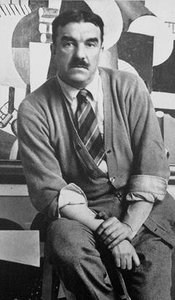
1881 - 1955 , Francia

Explore the profound impact of Minimalism and Geometric Abstraction. From Mondrian to Malevich, discover how stripping art to its essential forms revolutionized modern aesthetics through our expert-led historical guide.


Manténgase al día con las últimas noticias de arte, ofertas exclusivas e ideas de decoración.
Cuéntanos sobre tu proyecto y nuestros expertos en arte te ofrecerán 3 sugerencias de obras personalizadas.
Dejamos que nosotros seleccionemos 3 opciones exclusivas para ti – ¡Gratis!


 Vista previa
 Compartir
 Compartir
 Ver detalles

 Descargar
 Ver similares
 Radiografía
 Presentación de diapositivas

 Leer más







 La opción de vidrio solo está disponible en tamaños inferiores a 110 cm.


