Lista de deseos Carrito de compras Cart
PreviewPreview Encargar reproducción Encargar reproducciónComprar imagen en alta resolución Comprar imagen en alta resolución EnviarEnviar
DetallesDetalles Añadir a favoritos Añadir a favoritos DescargarDescargar SimilaresSimilares RadiografíaRadiografía Presentación de diapositivasPresentación de diapositivas

Contrast of Forms

Contrast of Forms by Fernand Léger: This vibrant abstract painting utilizes bold reds, yellows, and blues to depict dynamic geometric shapes—circles, squares, triangles—reflecting the influence of industrial design and capturing the energy of the early 20th century.

Explore el arte de Fernand Léger (1881-1955), un pionero del Cubismo y 'Tubismo'. Descubre sus audaces pinturas figurativas que celebran la vida moderna, las máquinas y la forma humana. ¡Un precursor del Pop Art!

Giclée / Impresión de arte

Impresión giclée o en lienzo de calidad de museo con producción rápida y opciones de acabado flexibles.


P118B $10
P118H $10
P118W $10
P438Z $10
P508JH $12
P508YH $12
P805H $10
P805Z $10
P919BZ $10
P919G $10
P919XJ $10
P959ZH $10
P968JZ $12
W106C $8
W218G $10
W218JH $8
W218Y $10
W307PJ $10
W316G $10
W316PJ $8
W316Y $10
W398PJ $8
W4111J $10
W500HY $15
W500JH $15
W692G $12
W849H $8
W940BG $15
W953PJ $8

Standard
custom
CM
INCH

Elija entre nuestros tamaños predefinidos que respetan las proporciones originales de la obra.

ancho
altura

Puede introducir sus propias dimensiones para adaptarse a un marco o espacio específico. Si el tamaño seleccionado no coincide con las proporciones de la imagen original, recortaremos la obra de arte o extenderemos la imagen con un borde con efecto espejo o de color sólido. Se enviará una maqueta digital para su aprobación antes de que comience la producción.
Tenga en cuenta que la vista previa en pantalla no refleja el recorte o la extensión real. Solo la maqueta mostrará con precisión la composición final.
Aunque existen tamaños personalizados, recomendamos seleccionar una dimensión de la lista predefinida para preservar las proporciones originales.

Entrega mundial () en 2 semanas en lugar de las 4/5 semanas estándar. (24 julio)

why_choose_icon
Envío exprés gratuito a todo el mundo
why_choose_icon
Lienzo de lino de alta calidad
why_choose_icon
Seguro de envío total
why_choose_icon
Garantía de reembolso de impuestos aduaneros
why_choose_icon
Garantía de fidelidad de color
why_choose_icon
Política de devolución de 60 días (solo por defectos)
why_choose_icon
Garantía de devolución del 100% del dinero
why_choose_icon
Descuento por pedido múltiple

Precio total

-

reproduction

Contrast of Forms

Giclée / Impresión de arte

Tamaño de la reproducción

-

Precio total final

-

Datos clave

  • Influences: Georges Braque
  • Location: Private Collection
  • Artist: Fernand Léger
  • Subject or theme: Industrial Landscape
  • Artistic style: Abstract Expressionism
  • Year: 1918
  • Medium: Oil Paint

Test de arte

Solo hay una respuesta correcta para cada pregunta.

Pregunta 1:
What artistic movement is Fernand Léger primarily associated with?
Pregunta 2:
The painting prominently features geometric shapes like circles and squares. What does this symbolize in Léger's artistic vision?
Pregunta 3:
What color dominates the composition of Léger's artwork?
Pregunta 4:
Fernand Léger created this painting in what year?
Pregunta 5:
Léger’s style is characterized by its bold use of color and simplified forms. How does this approach reflect the cultural anxieties of the early 20th century?

Descripción de la obra

A Symphony of Form and Color: Exploring Fernand Léger’s “Contrast of Forms”

The canvas breathes with an energy that transcends mere pigment; it pulsates with the rhythm of industrial progress, captured in the bold strokes and vibrant hues of Fernand Léger’s “Contrast of Forms,” painted in 1918. This monumental artwork isn't merely a depiction of shapes—it’s an assertion of their significance as conduits for conveying emotion and embodying the transformative forces reshaping European society at the dawn of the twentieth century. Léger, deeply influenced by Cubism’s fragmentation of perspective and its embrace of geometric abstraction, nevertheless refused to abandon entirely the tangible world he knew so intimately. He sought instead to synthesize these influences into a uniquely expressive style that would resonate with audiences grappling with anxieties about urbanization and technological advancement.

The Style: Geometric Abstraction Rooted in Observation

Léger’s distinctive approach can be characterized as geometric abstraction tempered by meticulous observation. Unlike many artists of his time who pursued pure abstraction, Léger painstakingly analyzed the forms found in factories and machines—the repetitive arcs of cranes, the angular planes of buildings, the rhythmic movement of pistons—translating these visual cues into simplified geometric shapes: circles, squares, triangles, rectangles. However, these shapes aren’t presented as sterile representations; they are imbued with color – predominantly reds, yellows, and blues – that convey a palpable sense of dynamism and excitement. The artist deliberately avoids blending colors smoothly, opting instead for juxtaposed hues that create visual tension and reinforce the artwork's underlying message about disruption and transformation.

Technique: Bold Brushstrokes and Layered Texture

The execution of “Contrast of Forms” exemplifies Léger’s masterful technique. He employed thick brushstrokes—often applied with a palette knife—to build up layers of textured paint, creating surfaces that appear to shimmer and vibrate with movement. This tactile quality is crucial to conveying the artwork's emotional impact; it invites viewers to engage physically with the painting, mirroring the physicality of industrial labor and stimulating their senses. Léger’s layering technique isn’t merely decorative; it serves a conceptual purpose—to represent the multifaceted nature of modernity itself, highlighting both its visual complexity and its underlying structural unity. The artist meticulously planned each brushstroke, ensuring that it contributed to the overall composition while simultaneously conveying a specific mood or feeling.

Historical Context: Embracing the Machine Age

“Contrast of Forms” emerged during a period of profound societal upheaval in Europe—the First World War had shattered illusions about progress and stability, accelerating urbanization and propelling industrialization at an unprecedented pace. Léger’s artwork reflects this turbulent climate by confronting viewers with images of machines and factories – symbols of both technological prowess and social alienation. The artist deliberately eschewed sentimental depictions of rural life, recognizing that the anxieties of his era demanded a new aesthetic vocabulary—one capable of capturing the unsettling beauty of the machine age. By presenting geometric shapes bathed in vibrant colors, Léger sought to articulate not only the visual characteristics of modernity but also its psychological consequences.

Symbolism: Red as Passion and Transformation

The dominant color palette – particularly the pervasive use of red – carries significant symbolic weight within “Contrast of Forms.” Traditionally associated with passion, energy, and revolution, red underscores Léger’s conviction that industrial progress represented a fundamental shift in human experience. The large red circle at the center of the painting symbolizes not merely visual dominance but also the transformative power of technology—its ability to reshape landscapes, cultures, and even consciousness itself. Léger's deliberate choice of color is therefore inseparable from his artistic vision: it’s an embodiment of the artwork’s core message about embracing change and confronting uncertainty with courage and conviction.

Emotional Impact: A Visionary Expression of Modern Anxiety

Ultimately, “Contrast of Forms” succeeds in conveying a powerful emotional response—a blend of exhilaration and apprehension that captures the spirit of its time. The artwork's dynamic composition and vibrant colors stimulate the senses, inviting viewers to contemplate the implications of industrialization for human existence. Léger’s bold brushstrokes and textured surfaces evoke a visceral connection with the materiality of the painting itself, mirroring the physicality of labor and stimulating contemplation about the relationship between humanity and technology. “Contrast of Forms” remains an enduring testament to Léger's artistic genius—a visionary expression of modern anxiety that continues to inspire audiences today.

Biografía del artista

vida temprana y formación

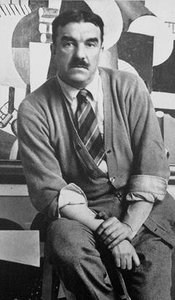
fernand léger, un pintor, escultor y cineasta francés, nació el 4 de febrero de 1881 en Argentán, Orne, Baja Normandía. Su padre criaba ganado, y Léger inicialmente se formó como arquitecto de 1897 a 1899. Luego se mudó a París en 1900, ganándose la vida como dibujante arquitectónico.

desarrollo artístico

El trabajo temprano de Léger estuvo influenciado por el impresionismo, como se ve en le jardin de ma mère (mi madre's garden) (1905). Después de asistir a la escuela de artes decorativas y la academia Julian, comenzó a trabajar seriamente como pintor a los 25 años. Su estilo evolucionó hacia una forma personal del cubismo, que los críticos denominaron "tubismo" por su énfasis en las formas cilíndricas.

cubismo y el grupo puteaux

En 1910, Léger expuso en el salón de otoño junto a jean metzinger y henri le fauconnier. Se unió al grupo puteaux, también conocido como la sección dorada (la sección de oro), junto con otros artistas como francis picabia y marcel duchamp.

guerra y su influencia en el trabajo de léger

Las experiencias de Léger en la Primera Guerra Mundial impactaron significativamente su obra. Durante su tiempo en el frente, produjo dibujos de piezas de artillería, aviones y soldados compañeros. Su pintura soldier with a pipe (1916) refleja este período.

obra posterior y legado

La obra posterior de Léger, caracterizada por formas mecánicas y elegantes, lo vinculó a la tradición de la pintura figurativa francesa. Sus paisajes animados de 1921 mostraron figuras y animales en formas armoniosas y aerodinámicas. obras clave: museos que exhiben el trabajo de léger:
Fernand Léger

Fernand Léger

1881 - 1955 , Francia

Datos clave

  • Artistas Influenciados Por: ['Pop Art']
  • Artistas Que Influyeron:
    • Cézanne
    • Impresionismo
  • Fecha De Nacimiento: 4 de febrero de 1881
  • Lugar De Nacimiento: Argentan, Francia
  • Movimiento Artístico:
    • Cubismo
    • Tubismo
  • Nacionalidad: Francés
  • Nombre Completo: Fernand Léger
  • Obras Notables:
    • La Mujer Sentada
    • Elemento de Máquina
    • El Gran Desfile
    • Paisajes Animados
Explore obras de arte organizadas por temas, estilos y características.