


x

 Acrylic On CanvasWallArtOrphism
 1951Modern
 114.0 x 195.0 cm
Impresiones giclée o en lienzo de calidad de museo con producción rápida y opciones de acabado flexibles. ( Comprar pintura hecha a mano Comprar imagen)





























Elija entre nuestros tamaños predefinidos que respetan las proporciones originales de la obra.

Puede introducir sus propias dimensiones para adaptarse a un marco o espacio específico. Si el tamaño seleccionado no coincide con las proporciones de la imagen original, recortaremos la obra de arte o extenderemos la imagen con un borde con efecto espejo o de color sólido. Se enviará una maqueta digital para su aprobación antes de que comience la producción.
Tenga en cuenta que la vista previa en pantalla no refleja el recorte o la extensión real. Solo la maqueta mostrará con precisión la composición final.
Aunque existen tamaños personalizados, recomendamos seleccionar una dimensión de la lista predefinida para preservar las proporciones originales.
Envío a todo el mundo () en 2 semanas en lugar de las 4/5 semanas estándar. (23 agosto)


Project for a mural Vulcania
Dimensiones de la reproducción
Fernand Léger’s “Project for a Mural Vulcania,” completed in 1951, stands as a vibrant testament to the artist's unique approach to depicting the modern world. Executed during his Orphist period, this large-scale work – measuring 114 x 195 cm – transcends mere representation, offering instead a carefully constructed visual dialogue between humanity and machinery. Léger, deeply influenced by the burgeoning industrial landscape of early 20th century France, sought not to reject modernity but to embrace its inherent dynamism and geometric forms, integrating them into a powerfully expressive artistic language.
Created in 1951, “Project for a Mural Vulcania” reflects a pivotal moment in art history. Following the devastation of World War I and the rapid advancements in technology, artists were grappling with how to represent the changing world around them. Léger’s work stands apart due to its proactive engagement with this challenge. Unlike many abstract movements that sought to escape representation entirely, Léger deliberately incorporated recognizable elements – industrial forms – into his compositions, believing that art should reflect and engage with the realities of modern life. His earlier works, such as “The City” (1911), foreshadowed this approach, demonstrating a growing interest in depicting urban landscapes through a fractured, geometric lens.
While seemingly abstract, "Vulcania" is rich with symbolic meaning. The fragmented figures can be interpreted as representing the human spirit adapting to the demands of industrial society. Léger wasn't simply illustrating machines; he was exploring the relationship between humanity and technology – a theme that remains profoundly relevant today. The overall composition suggests a sense of order emerging from chaos, a harmonious balance between the organic and the mechanical.
"Project for a Mural Vulcania" is more than just a visually striking artwork; it’s a powerful statement about the potential for beauty and harmony within the industrial age. Léger's bold use of color, dynamic composition, and innovative technique create an immersive experience that evokes feelings of energy, optimism, and wonder. This piece remains a significant work in the artist’s oeuvre and a key example of Orphism’s influence on 20th-century art. Its enduring appeal lies in its ability to capture the spirit of modernity while simultaneously offering a timeless meditation on the human condition.

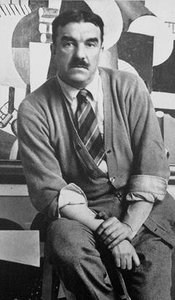
1881 - 1955 , Francia

Explore the profound impact of Minimalism and Geometric Abstraction. From Mondrian to Malevich, discover how stripping art to its essential forms revolutionized modern aesthetics through our expert-led historical guide.


Manténgase al día con las últimas noticias de arte, ofertas exclusivas e ideas de decoración.
Cuéntanos sobre tu proyecto y nuestros expertos en arte te ofrecerán 3 sugerencias de obras personalizadas.
Permítenos seleccionar 3 opciones exclusivas para ti – ¡Gratis!


 Ver en contexto
 Enviar
 Compartir
 Detalles

 Descargar
 Similares
 Radiografía
 Presentación de diapositivas
 Ver más







 La opción de vidrio solo está disponible en tamaños inferiores a 110 cm.


