


x

Óleo sobre lienzo pintado a mano en el tamaño y marco de su elección, realizado por encargo por nuestros artistas. ( Pedir impresión Comprar descarga)





























Elija entre nuestros tamaños predefinidos que respetan las proporciones originales de la obra.

Puede ingresar sus propias dimensiones para adaptarse a un marco o espacio específico. Si el tamaño seleccionado no coincide con las proporciones de la imagen original, recortaremos la obra o extenderemos la pintura con elementos adicionales pintados a mano. Se le enviará una maqueta digital para su aprobación antes de comenzar la producción.
Tenga en cuenta que la vista previa en pantalla no refleja el recorte o la extensión reales. Solo la maqueta mostrará con precisión la composición final.
Si bien existen tamaños personalizados, recomendamos seleccionar una dimensión de la lista predefinida para preservar las proporciones originales.
Envío a todo el mundo () en 3-4 semanas en lugar de las 5 semanas estándar. (19 agosto). Sin comprometer la calidad.


Study for Cinematic Mural, Study I
Tamaño de la reproducción
In the heart of the late 1930s, as the world stood on the precipice of profound global transformation, Fernand Léger captured the pulse of a changing era in his Study for Cinematic Mural, Study I. Painted between 1938 and 1939, this evocative work is far more than a mere preparatory sketch; it is an orchestrated tableau that breathes with the dynamism of the machine age. Through a masterful use of gouache and pencil on board, Léger invites us into a meticulously constructed urban landscape where the boundaries between human aspiration and industrial precision begin to blur. The piece serves as a window into a moment in history when the roar of engines and the geometric rhythm of growing cities were redefining the very essence of modern existence.
The composition is anchored by a monumental, almost mythic presence: a statue of a woman wielding a torch. This central figure acts as a beacon of enlightenment amidst the structured chaos of the cityscape, her silhouette standing as a symbol of hope and guidance through the complexities of a technological future. Surrounding this icon, the landscape unfolds in a rhythmic dance of geometric shapes—rectangles, squares, and triangles that echo the repetitive, powerful patterns found in factories and urban planning. Léger’s unique Constructivist approach allows these forms to exist as both architectural elements and abstract symbols, creating a visual language that feels simultaneously grounded in reality and elevated by imagination.
To behold this study is to witness Léger’s profound command over medium and movement. By employing gouache, a pigment celebrated for its rich opacity and smooth blending capabilities, the artist achieves a striking textural depth. This fluidity is brilliantly contrasted by the sharp, precise pencil lines that define the structural integrity of the buildings and vehicles. This duality in technique mirrors the subject matter itself: the tension between the organic flow of human life and the rigid, unyielding nature of industrial production. The way light interacts with the flattened planes creates a sense of depth without relying on traditional illusionism, offering a modern perspective that feels strikingly contemporary even decades after its creation.
The bustling energy of the scene is further animated by the inclusion of various mechanical elements—cars, trucks, and trains—that weave through the urban fabric. These details are not merely decorative; they are the lifeblood of the composition, representing the relentless momentum of progress. For the discerning collector or interior designer, this artwork offers a sophisticated balance of structural clarity and vibrant energy. It is a piece that commands attention through its bold geometry while providing a contemplative space for reflecting on the intersection of humanity and technology.
For those seeking to infuse a space with intellectual depth and historical significance, Léger’s study offers unparalleled inspiration. Its palette and composition possess a versatile elegance that complements both minimalist modern settings and more eclectic, curated environments. The artwork does not merely decorate a wall; it initiates a dialogue about the beauty found in order, the strength found in industry, and the enduring light of human progress. Owning a high-quality reproduction of this masterpiece allows one to bring the transformative spirit of the Parisian avant-garde into the home, serving as a permanent tribute to an era that dared to reimagine the world through the lens of form, function, and light.

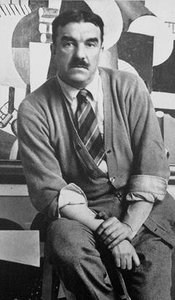
1881 - 1955 , Francia

Explore the profound impact of Minimalism and Geometric Abstraction. From Mondrian to Malevich, discover how stripping art to its essential forms revolutionized modern aesthetics through our expert-led historical guide.


Manténgase al día con las últimas noticias de arte, ofertas exclusivas e ideas de decoración.
Cuéntanos sobre tu proyecto y nuestros expertos en arte te ofrecerán 3 sugerencias de obras personalizadas.
Dejamos que nosotros seleccionemos 3 opciones exclusivas para ti – ¡Gratis!


 Vista previa
 Compartir
 Compartir
 Ver detalles

 Descargar
 Ver similares
 Radiografía
 Presentación de diapositivas


 Leer más







 La opción de vidrio solo está disponible en tamaños inferiores a 110 cm.


