Sell Your Art
Lista de deseos Carrito de compras Cart
PreviewPreview AR previewAR preview Switch to hand made Painting Switch to hand made PaintingSwitch to Image Switch to Image EnviarEnviar
DetallesDetalles Añadir a favoritos Añadir a favoritos DescargarDescargar SimilaresSimilares RadiografíaRadiografía Presentación de diapositivasPresentación de diapositivas

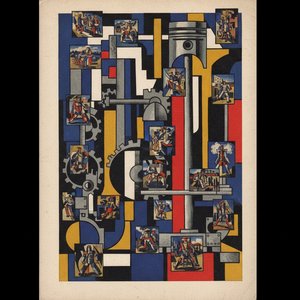
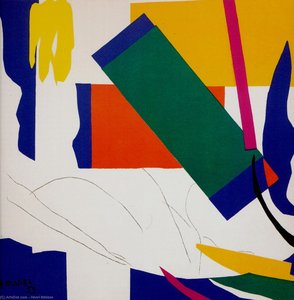
Study for Cinematic Mural, Study III

Fernand Léger’s Study for Cinematic Mural, Study III (1938–39) is a gouache painting depicting a cityscape dominated by a large red building amidst industrial forms and figures. Recognized anonymously at MoMA, it exemplifies Léger's exploration of modern aesthetics and anticipates Pop Art.

Explore el arte de Fernand Léger (1881-1955), un pionero del Cubismo y 'Tubismo'. Descubre sus audaces pinturas figurativas que celebran la vida moderna, las máquinas y la forma humana. ¡Un precursor del Pop Art!

Giclée / Impresión de arte

Impresión giclée o en lienzo de calidad de museo con producción rápida y opciones de acabado flexibles. (Switch to hand made Painting Switch to hand made PaintingSwitch to Image Switch to Image)

P118B $10
P118H $10
P118W $10
P438Z $10
P508JH $12
P508YH $12
P805H $10
P805Z $10
P919BZ $10
P919G $10
P919XJ $10
P959ZH $10
P968JZ $12
W106C $8
W218G $10
W218JH $8
W218Y $10
W307PJ $10
W316G $10
W316PJ $8
W316Y $10
W398PJ $8
W4111J $10
W500HY $15
W500JH $15
W692G $12
W849H $8
W940BG $15
W953PJ $8

Standard
custom
CM
INCH

Elija entre nuestros tamaños predefinidos que respetan las proporciones originales de la obra.

ancho
altura

Puede introducir sus propias dimensiones para adaptarse a un marco o espacio específico. Si el tamaño seleccionado no coincide con las proporciones de la imagen original, recortaremos la obra de arte o extenderemos la imagen con un borde con efecto espejo o de color sólido. Se enviará una maqueta digital para su aprobación antes de que comience la producción.
Tenga en cuenta que la vista previa en pantalla no refleja el recorte o la extensión real. Solo la maqueta mostrará con precisión la composición final.
Aunque existen tamaños personalizados, recomendamos seleccionar una dimensión de la lista predefinida para preservar las proporciones originales.

Entrega mundial () en 2 semanas en lugar de las 4/5 semanas estándar. (30 julio)

why_choose_icon
Envío exprés gratuito a todo el mundo
why_choose_icon
Lienzo de lino de alta calidad
why_choose_icon
Seguro de envío total
why_choose_icon
Garantía de reembolso de impuestos aduaneros
why_choose_icon
Garantía de fidelidad de color
why_choose_icon
Política de devolución de 60 días (solo por defectos)
why_choose_icon
Garantía de devolución del 100% del dinero
why_choose_icon
Descuento por pedido múltiple

Precio total

$ 68

reproduction

Study for Cinematic Mural, Study III

Giclée / Impresión de arte

Tamaño de la reproducción

-

Precio total final

$ 68

Datos clave

  • Location: MoMA
  • Medium: Gouache, ink, colored pencil, and pencil on board
  • Title: Study for Cinematic Mural, Study III
  • Movement: Cubism
  • Artist: Fernand Léger
  • Dimensions: 51 x 38 cm
  • Notable elements or techniques: Bold simplification; Red building prominence

Test de arte

Solo hay una respuesta correcta para cada pregunta.

Pregunta 1:
What artistic movement is Fernand Léger primarily associated with?
Pregunta 2:
The painting depicts a prominent architectural element – what is it?
Pregunta 3:
When was Fernand Léger born?
Pregunta 4:
What is a key characteristic of Léger’s use of color in this artwork?
Pregunta 5:
The painting reflects the influence of which historical period?

Descripción de la obra

Fernand Léger: Embracing Industrial Rhythm

Fernand Léger’s “Study for Cinematic Mural Painting,” created in 1938–39, embodies the artist's singular vision of reconciling Cubism with the burgeoning influence of industrial aesthetics—a fusion that would foreshadow the rise of Pop Art decades later. Executed in gouache, ink, colored pencil, and pencil on cardboard, this artwork exemplifies Léger’s commitment to capturing not just visual reality but also the underlying pulse of modern life. Its dimensions – 20 x 14 7/8 inches (50.7 x 37.8 cm) – speak to a monumental ambition, reflecting Léger's desire to transform painting into a powerful tool for communicating ideas and emotions about the transformative era he inhabited.
  • Style: Léger’s style evolved dramatically throughout his career, initially rooted in Cubism’s fragmentation of form but gradually shifting towards a more expressive and simplified aesthetic. “Study for Cinematic Mural Painting” showcases this progression, retaining Cubist principles while prioritizing clarity and visual impact—a deliberate move away from the complex intellectual debates surrounding abstract art.
  • Technique: Léger employed a distinctive technique characterized by bold color palettes and geometric abstraction. He utilized gouache – an opaque watercolor medium – to achieve vibrant hues and create textured surfaces that conveyed movement and dynamism. Precise pencil lines delineated forms, reinforcing the artist’s commitment to structural integrity while simultaneously injecting visual energy into the composition.

A Reflection of Industrial Civilization

The artwork's historical context is inextricably linked to Léger’s fascination with industrial progress—a preoccupation that stemmed from his formative years spent observing the rhythms of rural life alongside the burgeoning factories and machinery of early 20th-century France. Léger saw in the machine age not merely a technological advancement but also a fundamental reshaping of human experience, prompting him to explore how painting could convey this profound transformation. The simplified geometric forms depicted—circles, squares, triangles—mirror the repetitive patterns found in industrial production, symbolizing the artist’s belief that art should engage with the realities of its time.
  • Symbolism: Léger's use of color is laden with symbolic significance. Dominant reds convey passion and energy, mirroring the heat generated by furnaces and engines—a visual metaphor for the transformative power of industrial forces. Blues represent stability and order, contrasting with the chaotic dynamism of the geometric shapes and reinforcing Léger’s conviction that beauty could coexist with functionality.

Emotional Resonance: Dynamism and Optimism

“Study for Cinematic Mural Painting” transcends mere visual representation; it communicates a palpable sense of optimism and vitality—a reflection of Léger's unwavering belief in the potential for human creativity to adapt to and celebrate the challenges posed by modernity. The artwork’s energetic composition captures the rhythm of industrial activity, inviting viewers to contemplate the transformative forces shaping the world around them. Léger’s bold aesthetic choices serve as a testament to his conviction that art could inspire awe and wonder while simultaneously fostering a deeper understanding of the complexities of contemporary life—a legacy that continues to resonate with artists and audiences alike.

Provenance & Reproduction Quality

This artwork, anonymously gifted, is housed at the Solomon R. Guggenheim Museum in New York. Scala Archives ensures the highest quality reproductions, faithful to the original colors and pictorial details that characterize Léger’s art. This commitment goes beyond simple documentation—it's about preserving the respect owed to the work and vision of one of the great masters of the twentieth century.

Biografía del artista

vida temprana y formación

fernand léger, un pintor, escultor y cineasta francés, nació el 4 de febrero de 1881 en Argentán, Orne, Baja Normandía. Su padre criaba ganado, y Léger inicialmente se formó como arquitecto de 1897 a 1899. Luego se mudó a París en 1900, ganándose la vida como dibujante arquitectónico.

desarrollo artístico

El trabajo temprano de Léger estuvo influenciado por el impresionismo, como se ve en le jardin de ma mère (mi madre's garden) (1905). Después de asistir a la escuela de artes decorativas y la academia Julian, comenzó a trabajar seriamente como pintor a los 25 años. Su estilo evolucionó hacia una forma personal del cubismo, que los críticos denominaron "tubismo" por su énfasis en las formas cilíndricas.

cubismo y el grupo puteaux

En 1910, Léger expuso en el salón de otoño junto a jean metzinger y henri le fauconnier. Se unió al grupo puteaux, también conocido como la sección dorada (la sección de oro), junto con otros artistas como francis picabia y marcel duchamp.

guerra y su influencia en el trabajo de léger

Las experiencias de Léger en la Primera Guerra Mundial impactaron significativamente su obra. Durante su tiempo en el frente, produjo dibujos de piezas de artillería, aviones y soldados compañeros. Su pintura soldier with a pipe (1916) refleja este período.

obra posterior y legado

La obra posterior de Léger, caracterizada por formas mecánicas y elegantes, lo vinculó a la tradición de la pintura figurativa francesa. Sus paisajes animados de 1921 mostraron figuras y animales en formas armoniosas y aerodinámicas. obras clave: museos que exhiben el trabajo de léger:
Fernand Léger

Fernand Léger

1881 - 1955 , Francia

Datos clave

  • Artistas Influenciados Por: ['Pop Art']
  • Artistas Que Influyeron:
    • Cézanne
    • Impresionismo
  • Fecha De Nacimiento: 4 de febrero de 1881
  • Lugar De Nacimiento: Argentan, Francia
  • Movimiento Artístico:
    • Cubismo
    • Tubismo
  • Nacionalidad: Francés
  • Nombre Completo: Fernand Léger
  • Obras Notables:
    • La Mujer Sentada
    • Elemento de Máquina
    • El Gran Desfile
    • Paisajes Animados
Explore obras de arte organizadas por temas, estilos y características.