


x


 Preview
 Comprar impresión Comprar imagen en alta resolución
 Enviar
 Detalles
 Añadir a favoritos
 Descargar
 Similares
 Radiografía
 Presentación de diapositivas
Óleo sobre lienzo pintado a mano en el tamaño y marco de su elección, realizado por encargo por nuestros artistas.





























Elija entre nuestros tamaños predefinidos que respetan las proporciones originales de la obra.

Puede ingresar sus propias dimensiones para adaptarse a un marco o espacio específico. Si el tamaño seleccionado no coincide con las proporciones de la imagen original, recortaremos la obra o extenderemos la pintura con elementos adicionales pintados a mano. Se le enviará una maqueta digital para su aprobación antes de comenzar la producción.
Tenga en cuenta que la vista previa en pantalla no refleja el recorte o la extensión reales. Solo la maqueta mostrará con precisión la composición final.
Si bien existen tamaños personalizados, recomendamos seleccionar una dimensión de la lista predefinida para preservar las proporciones originales.
Entrega mundial () en 3-4 semanas en lugar de las 5 semanas estándar. (26 julio). Sin compromisos con la calidad.


The acrobats polychrome
Tamaño de la reproducción
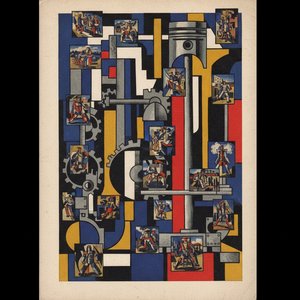
Fernand Léger's "The Acrobats," a vibrant polychrome painting, is more than just a depiction of figures engaged in a daring performance; it’s a profound meditation on the burgeoning spirit of modernity. Created by one of the most significant figures of early 20th-century art, this work encapsulates Léger’s revolutionary approach to representing the world – a synthesis of observation and abstraction that sought to capture the dynamism of industrial life and the human form within it. The painting's energy is palpable, radiating from the central interaction between the two principal acrobats, their postures suggesting both strength and vulnerability, mirroring the complex realities of a society undergoing rapid transformation.
Léger's artistic trajectory was profoundly shaped by his upbringing in rural Normandy. The stark geometries of farm machinery and the repetitive motions of agricultural labor instilled within him a fascination with form, which he later translated into a distinctly Cubist vocabulary. “The Acrobats” exemplifies this approach; the figures are not rendered with traditional representational accuracy but rather fragmented and reassembled, their bodies broken down into geometric shapes – cylinders, cones, and planes – that evoke the mechanical forms of the industrial age. This deliberate distortion isn’t merely stylistic; it's a conscious effort to convey movement and energy, capturing the fleeting moments of acrobatic performance with an unprecedented sense of immediacy. The use of bold, contrasting colors—primarily reds, blues, and yellows—further amplifies this effect, creating a visually arresting composition that demands attention.
Beyond its formal qualities, “The Acrobats” is laden with symbolic meaning. The acrobats themselves represent humanity’s adaptation to and engagement with the new industrial world. Their precarious poses – balancing on edges, defying gravity – can be interpreted as a metaphor for the challenges and uncertainties of this era. The figures are not presented as heroic or idealized; instead, they possess a raw, almost primitive quality, suggesting a return to fundamental human instincts in response to the overwhelming forces of modernity. Léger’s deliberate choice of subject matter—acrobats—was a pointed commentary on the changing role of man within society, reflecting the increasing influence of machines and technology.
Léger's technique in “The Acrobats” is characterized by its vigorous brushwork and layered application of paint. He built up his compositions through multiple layers, creating a textured surface that adds to the painting’s sense of dynamism. The artist’s use of color is particularly noteworthy, employing bright, saturated hues to heighten the visual impact and emphasize the geometric forms. “The Acrobats” cemented Léger's position as a leading figure in the development of Cubism and influenced generations of artists who followed. His bold experimentation with form and color paved the way for further explorations of abstraction and continues to resonate within contemporary art practice. This reproduction offers an exceptional opportunity to own a piece of art history, capturing the spirit of a pivotal moment in modern artistic innovation.

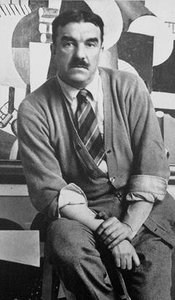
1881 - 1955 , Francia
Descubre las 25 obras maestras de Joan Miró, el genio del surrealismo catalán. Explora su arte abstracto, colores vibrantes y la historia detrás de cada cuadro. Reproducciones de alta calidad en Most-Famous-Paintings.com para transformar tu hogar con arte original.
Descubre las 25 obras maestras de Henri Matisse, el rey del color y padre del fauvismo. Explora su arte moderno, lienzos vibrantes y la historia detrás de cada pintura icónica. Encuentra reproducciones de alta calidad en Most-Famous-Paintings.com.
Descubre los 10 lienzos cubistas que revolucionaron el arte moderno. Explora la historia de Picasso, Braque y otros maestros del cubismo en . Reproducciones de alta calidad para tu hogar.
Descubre las 25 obras maestras de Fernand Léger, pionero del tubismo y la vanguardia francesa. Explora su estética industrial, composiciones geométricas y vibrantes colores. Reproducciones de arte exclusivas en Most-Famous-Paintings.com.
Descubre las 10 pinturas más famosas dominadas por el negro marsella. Explora la historia, técnica y simbolismo de obras maestras del expresionismo alemán, gótico y arte moderno. Reproducciones de museos en .


Manténgase al día con las últimas noticias de arte, ofertas exclusivas e ideas de decoración.
Cuéntanos sobre tu proyecto y nuestros expertos en arte te ofrecerán 3 sugerencias de obras personalizadas.
Permítenos seleccionar 3 opciones solo para ti – ¡Gratis!


 Compartir


 Ver más







 La opción de vidrio solo está disponible en tamaños inferiores a 110 cm.


