
Vende tu arte
Lista de deseos Carrito de compras Cart
x
Vista previaVista previa Vista previa en RAVista previa en RA Pedir impresión Pedir impresiónEncargar reproducción pintada a mano Encargar reproducción pintada a mano CompartirCompartir
Ver detallesVer detalles Añadir a favoritos Añadir a favoritos DescargarDescargar Ver similaresVer similares RadiografíaRadiografía Presentación de diapositivasPresentación de diapositivas

The staircase

Bold modernist painting by Fernand Léger captures movement and form with vibrant reds, blues, and yellows—a striking depiction of figures holding cups amidst scattered tableware, reflecting the energy of the early 20th century.

Explore el arte de Fernand Léger (1881-1955), un pionero del Cubismo y 'Tubismo'. Descubre sus audaces pinturas figurativas que celebran la vida moderna, las máquinas y la forma humana. ¡Un precursor del Pop Art!

Adquiera una imagen digital de alta resolución y optimizada, muy superior a la vista previa en línea.

Cada archivo es preparado meticulosamente por nuestros especialistas internos mediante el uso de herramientas avanzadas y un experto retoque manual. Nos aseguramos de que cada imagen posea una claridad excepcional, una precisión cromática impecable y un detalle minucioso.

El archivo final se entrega por correo electrónico en un plazo de 72 horas, optimizado para su uso inmediato en entornos profesionales, editoriales y de impresión. Esta es la misma calidad en la que confían los estudios de diseño, las editoriales y las galerías de primer nivel.

Imagen Digital

Descarga un archivo de alta resolución para exhibición personal, impresión y proyectos creativos. (Pedir impresión Pedir impresiónEncargar reproducción pintada a mano Encargar reproducción pintada a mano)

Precio total

$ 24,90

Incluido en cada compra de imágenes digitales

Entrega digital experta, garantizada.

Al elegir Most-Famous-Paintings.com, no solo está adquiriendo una imagen; está recibiendo una obra de arte digital mejorada profesionalmente, elaborada con precisión y respaldada por una garantía de satisfacción. Esto es todo lo que incluye su pedido, automáticamente:

shipping_icon
Entrega rápida por email

Recibirá su archivo de imagen digital en alta resolución por correo electrónico en un plazo de 72 horas tras realizar su pedido, listo para su uso inmediato.

canvas_icon
Archivo digital optimizado por IA

Su obra de arte se optimiza profesionalmente mediante herramientas avanzadas de IA y edición manual, garantizando el máximo detalle, claridad y precisión cromática.

insurance_icon
Reenvío gratuito de por vida

¿Has borrado o perdido tu archivo por error? No te preocupes: te lo volveremos a enviar en cualquier momento, sin coste adicional.

tax_icon
Sin gastos de importación, siempre

Disfrute de su obra de arte al instante sin aduanas, aranceles ni gastos de envío; las descargas digitales siempre están libres de impuestos.

color_icon
Garantía de precisión de color

Garantizamos que su imagen digital refleje los colores originales con la mayor fidelidad posible, mediante el uso de herramientas profesionales y gestión del color.

return_icon
Garantía de satisfacción de 60 días

Si no está satisfecho con su imagen digital, la revisaremos o le reembolsaremos el 100% en un plazo de 60 días, sin preguntas.

guarantee_icon
100% Garantía de devolución de dinero

¿No está satisfecho? Obtenga un reembolso completo dentro de los 60 días posteriores a la recepción de su archivo digital, sin necesidad de explicaciones.

discount_icon
Descuentos por volumen

Compra 3 imágenes, ahorra 10% - Compra 5, ahorra 15% - Compra 10+, ahorra 20%. Ideal para proyectos creativos, galerías y agencias.

Datos clave

  • Artistic style: Modernist
  • Year: 1913
  • Influences: Futurism
  • Subject or theme: Urban life
  • Artist: Fernand Léger
  • Movement: Cubism

Descripción del coleccionable

A Bold Embrace of Industrial Rhythm: Exploring Fernand Léger’s “The Staircase”

Fernand Léger's "The Staircase," painted in 1913, isn’t merely a depiction of an architectural element; it’s a declaration of artistic intent—a defiant assertion that abstraction could simultaneously honor the burgeoning industrial landscape and retain a palpable connection to human experience. This striking canvas embodies the core tenets of Léger's groundbreaking approach to modern art, marking him as one of the pioneers of Constructivism and influencing generations of artists who followed.

The Style and Technique: Geometric Precision Meets Organic Flow

Léger’s stylistic signature is instantly recognizable: a masterful blend of geometric abstraction and simplified organic forms. The painting utilizes bold blocks of color—primarily crimson red, sapphire blue, and lemon yellow—to create an arresting visual impact. These hues aren't applied haphazardly; rather, they are meticulously arranged according to principles of constructive art, prioritizing clarity and rhythm over illusionistic realism. Thick, textured brushstrokes contribute to a palpable physicality, mirroring the materiality of industrial structures while simultaneously conveying a sense of movement and dynamism. Léger’s technique deliberately eschews traditional blending methods, favoring instead layering colors to build up surface texture and emphasizing contours—a deliberate rejection of Impressionism's focus on fleeting light effects.

Historical Context: The Dawn of Mechanization

“The Staircase” emerged during a period of profound transformation in Europe – the early years of the 20th century witnessed an unprecedented surge in industrial production and urbanization. Léger’s artistic response to this era reflects the anxieties and aspirations of his time. Constructivism, championed by artists like Vladimir Tatlin and Aleksandr Rodchenko, sought to liberate art from representational constraints and embrace the language of machine forms as a symbol of progress and rationality. Léger wasn't simply documenting the industrial world; he was actively engaging with its ideological implications—celebrating its efficiency and order while simultaneously acknowledging its dehumanizing potential. The painting’s composition deliberately avoids depicting human figures prominently, prioritizing instead geometric shapes that convey a sense of stability and repetition – mirroring the repetitive patterns found in factories and urban environments.

Symbolism Beyond Form: Cups as Vessels of Humanity

Despite Léger's commitment to abstraction, “The Staircase” is imbued with subtle symbolic resonance. The scattered cups throughout the scene serve as an intriguing counterpoint to the dominant geometric forms. These vessels represent not just objects but also containers of human activity—meals shared, conversations held, moments of respite amidst the relentless pace of industrial life. Léger’s inclusion of these domestic elements underscores his belief that abstraction shouldn't preclude engagement with human emotion and experience; it should rather serve as a framework for exploring the relationship between humanity and technology. The bowl positioned at the base of the image further reinforces this theme, symbolizing nourishment and grounding—a reminder that even in a world dominated by machines, human needs and desires remain paramount.

Emotional Impact: A Quiet Assertion of Optimism

Ultimately, “The Staircase” transcends its formal qualities to convey a surprisingly optimistic vision of the future. While acknowledging the challenges posed by industrialization, Léger’s bold use of color and rhythmic composition communicates a conviction that humanity can adapt to change without sacrificing beauty or vitality. The painting's subdued palette—dominated by reds, blues and yellows—creates an atmosphere of calm contemplation, inviting viewers to consider the enduring values of human connection and artistic expression amidst the clamor of modernity. It’s a testament to Léger’s ability to distill complex ideas into powerfully evocative imagery – a timeless masterpiece that continues to inspire awe and admiration.

Biografía del artista

vida temprana y formación

fernand léger, un pintor, escultor y cineasta francés, nació el 4 de febrero de 1881 en Argentán, Orne, Baja Normandía. Su padre criaba ganado, y Léger inicialmente se formó como arquitecto de 1897 a 1899. Luego se mudó a París en 1900, ganándose la vida como dibujante arquitectónico.

desarrollo artístico

El trabajo temprano de Léger estuvo influenciado por el impresionismo, como se ve en le jardin de ma mère (mi madre's garden) (1905). Después de asistir a la escuela de artes decorativas y la academia Julian, comenzó a trabajar seriamente como pintor a los 25 años. Su estilo evolucionó hacia una forma personal del cubismo, que los críticos denominaron "tubismo" por su énfasis en las formas cilíndricas.

cubismo y el grupo puteaux

En 1910, Léger expuso en el salón de otoño junto a jean metzinger y henri le fauconnier. Se unió al grupo puteaux, también conocido como la sección dorada (la sección de oro), junto con otros artistas como francis picabia y marcel duchamp.

guerra y su influencia en el trabajo de léger

Las experiencias de Léger en la Primera Guerra Mundial impactaron significativamente su obra. Durante su tiempo en el frente, produjo dibujos de piezas de artillería, aviones y soldados compañeros. Su pintura soldier with a pipe (1916) refleja este período.

obra posterior y legado

La obra posterior de Léger, caracterizada por formas mecánicas y elegantes, lo vinculó a la tradición de la pintura figurativa francesa. Sus paisajes animados de 1921 mostraron figuras y animales en formas armoniosas y aerodinámicas. obras clave: museos que exhiben el trabajo de léger:
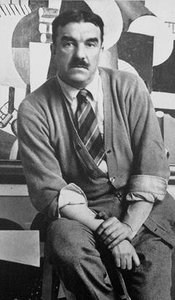
Fernand Léger

Fernand Léger

1881 - 1955 , Francia

Datos clave

  • Artistas Influenciados Por: ['Pop Art']
  • Artistas Que Influyeron:
    • Cézanne
    • Impresionismo
  • Fecha De Nacimiento: 4 de febrero de 1881
  • Lugar De Nacimiento: Argentan, Francia
  • Movimiento Artístico:
    • Cubismo
    • Tubismo
  • Nacionalidad: Francés
  • Nombre Completo: Fernand Léger
  • Obras Notables:
    • La Mujer Sentada
    • Elemento de Máquina
    • El Gran Desfile
    • Paisajes Animados

