Sell Your Art
Lista de deseos Carrito de compras Cart
PreviewPreview AR previewAR preview Switch to hand made Painting Switch to hand made PaintingSwitch to Image Switch to Image EnviarEnviar
DetallesDetalles Añadir a favoritos Añadir a favoritos DescargarDescargar SimilaresSimilares RadiografíaRadiografía Presentación de diapositivasPresentación de diapositivas

The tug

Explore el arte de Fernand Léger (1881-1955), un pionero del Cubismo y 'Tubismo'. Descubre sus audaces pinturas figurativas que celebran la vida moderna, las máquinas y la forma humana. ¡Un precursor del Pop Art!

Giclée / Impresión de arte

Impresión giclée o en lienzo de calidad de museo con producción rápida y opciones de acabado flexibles. (Switch to hand made Painting Switch to hand made PaintingSwitch to Image Switch to Image)

P118B $10
P118H $10
P118W $10
P438Z $10
P508JH $12
P508YH $12
P805H $10
P805Z $10
P919BZ $10
P919G $10
P919XJ $10
P959ZH $10
P968JZ $12
W106C $8
W218G $10
W218JH $8
W218Y $10
W307PJ $10
W316G $10
W316PJ $8
W316Y $10
W398PJ $8
W4111J $10
W500HY $15
W500JH $15
W692G $12
W849H $8
W940BG $15
W953PJ $8

Standard
custom
CM
INCH

Elija entre nuestros tamaños predefinidos que respetan las proporciones originales de la obra.

ancho
altura

Puede introducir sus propias dimensiones para adaptarse a un marco o espacio específico. Si el tamaño seleccionado no coincide con las proporciones de la imagen original, recortaremos la obra de arte o extenderemos la imagen con un borde con efecto espejo o de color sólido. Se enviará una maqueta digital para su aprobación antes de que comience la producción.
Tenga en cuenta que la vista previa en pantalla no refleja el recorte o la extensión real. Solo la maqueta mostrará con precisión la composición final.
Aunque existen tamaños personalizados, recomendamos seleccionar una dimensión de la lista predefinida para preservar las proporciones originales.

Entrega mundial () en 2 semanas en lugar de las 4/5 semanas estándar. (30 julio)

why_choose_icon
Envío exprés gratuito a todo el mundo
why_choose_icon
Lienzo de lino de alta calidad
why_choose_icon
Seguro de envío total
why_choose_icon
Garantía de reembolso de impuestos aduaneros
why_choose_icon
Garantía de fidelidad de color
why_choose_icon
Política de devolución de 60 días (solo por defectos)
why_choose_icon
Garantía de devolución del 100% del dinero
why_choose_icon
Descuento por pedido múltiple

Precio total

$ 68

reproduction

The tug

Giclée / Impresión de arte

Tamaño de la reproducción

-

Precio total final

$ 68

Datos clave

  • Artist: Fernand Léger
  • Year: 1924
  • Location: Private Collection
  • Subject: Boats and Ships
  • Title: The Tug
  • Influences: Cubism
  • Medium: Sketch

Test de arte

Solo hay una respuesta correcta para cada pregunta.

Pregunta 1:
What artistic style is “The Tug” primarily associated with?
Pregunta 2:
Which artist created "The Tug"?
Pregunta 3:
What prominent feature characterizes Fernand Léger’s approach to representing the machine age?
Pregunta 4:
The painting depicts a scene featuring what elements?
Pregunta 5:
What is the overall mood conveyed by Léger’s use of color and composition in “The Tug”?

Descripción de la obra

A Symphony of Shapes: Exploring Fernand Léger’s “The Tug”

Fernand Léger's "The Tug," completed in 1924, stands as an emblem of Naïve Art—a movement that deliberately rejected academic conventions to embrace a raw, intuitive approach to artistic expression. Born Joseph Fernand Henri Léger in Argentan, Normandy, France, in 1881, Léger’s formative years instilled within him a profound appreciation for the tangible world – specifically, the rhythms of rural life and the physicality of agricultural labor. This grounding experience would later inform his groundbreaking stylistic innovations, propelling him to become one of the most influential artists of the early twentieth century.
  • Style & Technique: Léger’s distinctive style is characterized by geometric abstraction—a deliberate simplification of forms into basic shapes like circles, squares, and triangles. He eschewed illusionistic perspective, opting instead for a flattened surface that emphasizes compositional unity. The painting utilizes bold colors – predominantly oranges and yellows – applied with thick impasto technique, creating palpable textural surfaces that convey movement and energy.
  • Historical Context: “The Tug” emerged during the burgeoning Machine Age, mirroring anxieties about industrialization alongside an optimistic fascination with technological progress. Léger’s artistic vision responded directly to this cultural milieu, translating its dynamism into visual terms.

Decoding Symbolism: Form Meets Function

Beyond mere stylistic considerations, Léger imbued “The Tug” with symbolic resonance. The prominent orange hues evoke associations with warmth, vitality, and the sun—representing not only physical illumination but also spiritual optimism. Furthermore, the repetitive geometric shapes – particularly triangles – convey stability and structural integrity, juxtaposed against the implied movement of the depicted tugboat. These elements collectively communicate a message about harnessing power and embracing progress while maintaining an awareness of fundamental principles.
  • Compositional Dynamics: Léger’s masterful arrangement of shapes contributes to the painting's overall impact. The central tugboat dominates the visual field, anchoring the composition while simultaneously drawing the viewer’s eye across the expanse of color and form.

Emotional Resonance: Capturing the Spirit of Modernity

“The Tug” transcends its formal qualities to evoke a palpable emotional response. The energetic brushstrokes convey a sense of exhilaration—a celebration of technological advancement and an affirmation of human creativity. Simultaneously, the painting’s simplified aesthetic invites contemplation, prompting viewers to consider the broader implications of industrial society and its transformative influence on human experience.
  • Legacy & Influence: Léger's pioneering approach to abstraction profoundly impacted subsequent generations of artists, establishing Naïve Art as a significant counterpoint to prevailing artistic trends. His unwavering commitment to capturing the essence of modernity continues to inspire contemporary creatives seeking innovative ways to express their vision.

A Reproduction Worthy of Distinction: Bringing Léger’s Vision Home

A high-quality reproduction of “The Tug” offers an exceptional opportunity to experience Léger's artistic genius firsthand. Selecting a print crafted with archival inks and utilizing canvas stretched taut ensures that the painting’s vibrant colors and textural surfaces are faithfully preserved—allowing collectors and interior designers alike to appreciate the enduring beauty and intellectual depth of this seminal work.

Biografía del artista

vida temprana y formación

fernand léger, un pintor, escultor y cineasta francés, nació el 4 de febrero de 1881 en Argentán, Orne, Baja Normandía. Su padre criaba ganado, y Léger inicialmente se formó como arquitecto de 1897 a 1899. Luego se mudó a París en 1900, ganándose la vida como dibujante arquitectónico.

desarrollo artístico

El trabajo temprano de Léger estuvo influenciado por el impresionismo, como se ve en le jardin de ma mère (mi madre's garden) (1905). Después de asistir a la escuela de artes decorativas y la academia Julian, comenzó a trabajar seriamente como pintor a los 25 años. Su estilo evolucionó hacia una forma personal del cubismo, que los críticos denominaron "tubismo" por su énfasis en las formas cilíndricas.

cubismo y el grupo puteaux

En 1910, Léger expuso en el salón de otoño junto a jean metzinger y henri le fauconnier. Se unió al grupo puteaux, también conocido como la sección dorada (la sección de oro), junto con otros artistas como francis picabia y marcel duchamp.

guerra y su influencia en el trabajo de léger

Las experiencias de Léger en la Primera Guerra Mundial impactaron significativamente su obra. Durante su tiempo en el frente, produjo dibujos de piezas de artillería, aviones y soldados compañeros. Su pintura soldier with a pipe (1916) refleja este período.

obra posterior y legado

La obra posterior de Léger, caracterizada por formas mecánicas y elegantes, lo vinculó a la tradición de la pintura figurativa francesa. Sus paisajes animados de 1921 mostraron figuras y animales en formas armoniosas y aerodinámicas. obras clave: museos que exhiben el trabajo de léger:
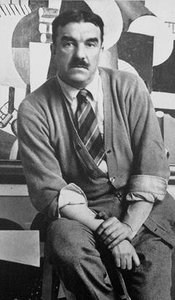
Fernand Léger

Fernand Léger

1881 - 1955 , Francia

Datos clave

  • Artistas Influenciados Por: ['Pop Art']
  • Artistas Que Influyeron:
    • Cézanne
    • Impresionismo
  • Fecha De Nacimiento: 4 de febrero de 1881
  • Lugar De Nacimiento: Argentan, Francia
  • Movimiento Artístico:
    • Cubismo
    • Tubismo
  • Nacionalidad: Francés
  • Nombre Completo: Fernand Léger
  • Obras Notables:
    • La Mujer Sentada
    • Elemento de Máquina
    • El Gran Desfile
    • Paisajes Animados
Explore obras de arte organizadas por temas, estilos y características.