


x

Adquiera una imagen digital de alta resolución y optimizada, muy superior a la vista previa en línea.
Cada archivo es preparado meticulosamente por nuestros especialistas internos mediante el uso de herramientas avanzadas y un experto retoque manual. Nos aseguramos de que cada imagen posea una claridad excepcional, una precisión cromática impecable y un detalle minucioso.
El archivo final se entrega por correo electrónico en un plazo de 72 horas, optimizado para su uso inmediato en entornos profesionales, editoriales y de impresión. Esta es la misma calidad en la que confían los estudios de diseño, las editoriales y las galerías de primer nivel.
Descarga un archivo de alta resolución para exhibición personal, impresión y proyectos creativos. ( Pedir impresión Encargar reproducción pintada a mano)
Al elegir Most-Famous-Paintings.com, no solo está adquiriendo una imagen; está recibiendo una obra de arte digital mejorada profesionalmente, elaborada con precisión y respaldada por una garantía de satisfacción. Esto es todo lo que incluye su pedido, automáticamente:

Recibirá su archivo de imagen digital en alta resolución por correo electrónico en un plazo de 72 horas tras realizar su pedido, listo para su uso inmediato.

Su obra de arte se optimiza profesionalmente mediante herramientas avanzadas de IA y edición manual, garantizando el máximo detalle, claridad y precisión cromática.

¿Has borrado o perdido tu archivo por error? No te preocupes: te lo volveremos a enviar en cualquier momento, sin coste adicional.

Disfrute de su obra de arte al instante sin aduanas, aranceles ni gastos de envío; las descargas digitales siempre están libres de impuestos.

Garantizamos que su imagen digital refleje los colores originales con la mayor fidelidad posible, mediante el uso de herramientas profesionales y gestión del color.

Si no está satisfecho con su imagen digital, la revisaremos o le reembolsaremos el 100% en un plazo de 60 días, sin preguntas.

¿No está satisfecho? Obtenga un reembolso completo dentro de los 60 días posteriores a la recepción de su archivo digital, sin necesidad de explicaciones.

Compra 3 imágenes, ahorra 10% - Compra 5, ahorra 15% - Compra 10+, ahorra 20%. Ideal para proyectos creativos, galerías y agencias.
Fernand Léger’s “untitled (1843),” a poignant monochrome depiction of a woman with her infant, transcends mere portraiture; it's a carefully constructed meditation on vulnerability, motherhood, and the burgeoning anxieties of modernity. The painting, executed in stark black and white, immediately draws the viewer into its quiet drama, utilizing a bold red background to amplify the emotional weight of the scene. Léger, a key figure in the Cubist movement, sought not simply to represent reality but to *interpret* it through fractured forms and geometric structures – a technique powerfully evident here, albeit subtly restrained compared to his more overtly abstract works.
The red background is not merely an aesthetic choice; it acts as a potent symbol, likely representing passion, danger, or perhaps the inherent struggles of motherhood. The woman's posture – slumped slightly, hand to her face – speaks volumes about her emotional state. It’s a gesture of profound vulnerability and introspection, inviting the viewer to contemplate her inner world. The baby, held close, represents not just physical offspring but also the future, innocence, and the continuation of life—a theme frequently explored in art throughout history.
Born Joseph Fernand Henri Léger in 1881 in Argentan, Normandy, Léger’s artistic journey was profoundly shaped by his rural upbringing. This experience instilled a deep appreciation for the physicality of labor and the rhythms of nature – elements he would later translate into his exploration of industrial forms. “untitled (1843)” exemplifies this synthesis: it's a deeply personal work rooted in observation, yet infused with Léger’s forward-thinking vision. He sought to capture not just what things *looked* like but how they *felt*, anticipating the abstract tendencies that would dominate much of 20th-century art.
Note: This reproduction is meticulously crafted using high-resolution digital printing on premium archival canvas, ensuring exceptional color accuracy and longevity. It’s a perfect addition to any collection, offering a window into the artistic genius of Fernand Léger and his profound exploration of human emotion within the context of a rapidly changing world.
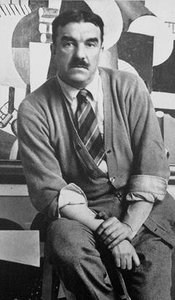
1881 - 1955 , Francia


Manténgase al día con las últimas noticias de arte, ofertas exclusivas e ideas de decoración.
Cuéntanos sobre tu proyecto y nuestros expertos en arte te ofrecerán 3 sugerencias de obras personalizadas.
Dejamos que nosotros seleccionemos 3 opciones exclusivas para ti – ¡Gratis!


 Vista previa
 Compartir
 Compartir
 Ver detalles

 Descargar
 Ver similares
 Radiografía
 Presentación de diapositivas
 Leer más


