


x

Impresiones giclée o en lienzo de calidad de museo con producción rápida y opciones de acabado flexibles. ( Encargar reproducción pintada a mano Comprar descarga)





























Elija entre nuestros tamaños predefinidos que respetan las proporciones originales de la obra.

Puede introducir sus propias dimensiones para adaptarse a un marco o espacio específico. Si el tamaño seleccionado no coincide con las proporciones de la imagen original, recortaremos la obra de arte o extenderemos la imagen con un borde con efecto espejo o de color sólido. Se enviará una maqueta digital para su aprobación antes de que comience la producción.
Tenga en cuenta que la vista previa en pantalla no refleja el recorte o la extensión real. Solo la maqueta mostrará con precisión la composición final.
Aunque existen tamaños personalizados, recomendamos seleccionar una dimensión de la lista predefinida para preservar las proporciones originales.
Envío a todo el mundo () en 2 semanas en lugar de las 4/5 semanas estándar. (13 agosto)


Sagittarius
Tamaño de la reproducción
The painting “Sagittarius,” attributed to the Spanish master Fernando Gallego (c. 1440 – 1507), is not merely a depiction of an archer; it's a vibrant portal into the heart of ancient mythology, rendered with a meticulous realism that speaks volumes about the artistic currents of late 15th-century Castile. Gallego, a pivotal figure in the burgeoning Hispano-Flemish style – a synthesis of Northern European precision and Iberian warmth – crafted this piece likely for an altarpiece, imbuing it with a solemnity and narrative power characteristic of his religious commissions. The painting’s enduring appeal lies not just in its technical skill but also in its ability to distill the essence of Sagittarius, the zodiac sign associated with travel, wisdom, and philosophical inquiry – qualities embodied by the figure at its center.
The subject itself is instantly recognizable: a powerfully built man, clad in armor and helmet, poised to release an arrow. However, Gallego elevates this familiar image through a masterful use of detail and composition. The archer’s stance is dynamic, suggesting both readiness and control; his gaze is fixed on the distant target, inviting the viewer into the scene. Crucially, he's not simply shooting at a mark; he’s engaged in a symbolic act – an embodiment of Sagittarius’s quest for knowledge and truth. The surrounding landscape, rendered with a subtle yet effective illusionistic depth, hints at a vast, open world, mirroring the sign’s association with exploration and adventure. Notice the careful rendering of textures: the gleam of the armor, the rough bark of the trees, the flowing fabric of the man's garments – all contribute to a sense of tangible reality.
Gallego’s style is deeply rooted in the artistic innovations sweeping through Northern Europe at the time. Like many Spanish artists working during this period, he was profoundly influenced by the Flemish masters, particularly Rogier van der Weyden and Simon Marmion. This influence manifests itself in several key ways: the meticulous attention to detail, the use of oil paint to achieve rich colors and subtle gradations, and a penchant for depicting figures with a remarkable sense of volume and realism. However, Gallego doesn’t simply mimic his Flemish predecessors; he adapts their techniques to create a distinctly Iberian aesthetic. The palette is warmer, more vibrant than typical Flemish works, reflecting the Spanish tradition of using bright pigments and incorporating gold leaf – elements that add an opulent quality to the painting.
Furthermore, Gallego demonstrates a sophisticated understanding of perspective and spatial relationships, hallmarks of Flemish art. The use of aerial perspective—where distant objects appear paler and less detailed—creates a convincing sense of depth and atmosphere. This technique, combined with the carefully arranged composition, draws the viewer’s eye towards the central figure and invites contemplation.
Beyond its purely visual qualities, “Sagittarius” is rich in symbolic meaning. The archer himself represents Sagittarius's defining characteristic: the pursuit of knowledge and enlightenment. The arrow, a potent symbol of direction and purpose, signifies the path one must follow to achieve wisdom. The distant target embodies the ultimate goal – truth itself. The two stars visible on either side of the scene further enhance this symbolism, representing celestial guidance and divine inspiration. The bird soaring above the archer adds another layer of meaning, suggesting freedom, aspiration, and a connection to the heavens.
Interestingly, Sagittarius is associated with Chiron, the centaur who was renowned for his wisdom and skill as a healer and teacher in Greek mythology. Gallego’s depiction subtly evokes this legendary figure, reinforcing the painting's message of knowledge, guidance, and the pursuit of virtue. The image resonates deeply with the philosophical and spiritual currents of the Renaissance, which emphasized human potential and the importance of seeking truth through reason and experience.
Today, “Sagittarius” by Fernando Gallego stands as a testament to the enduring power of art to capture both the beauty and the complexity of the human experience. Reproductions offer an accessible way to appreciate this remarkable work, bringing its rich symbolism and artistic mastery into homes and galleries worldwide. When selecting a reproduction, consider the quality of materials used – archival-quality prints on canvas or fine art paper will ensure that the colors remain vibrant for generations to come. This painting is more than just a beautiful image; it’s a window into a bygone era, inviting us to contemplate the timeless themes of wisdom, knowledge, and the pursuit of truth.


1440 - 1507 , España

Explore the rich history of horse painting! Discover masterpieces from Stubbs to Munnings & learn about symbolism, techniques & artists. Find museum-quality reproductions at Most-Famous-Paintings.

Explore the captivating history of horses in painting! Discover Renaissance masterpieces, Baroque grandeur & expert insights for collecting equestrian art. Learn about symbolism, techniques & lasting value with Most-Famous-Paintings.
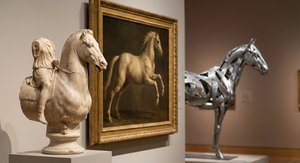
Explore the rich history of horses in fine art! From ancient depictions to Renaissance masterpieces & beyond, discover iconic artworks and artists. Learn about symbolism, techniques, and find museum-quality reproductions at Most-Famous-Paintings.
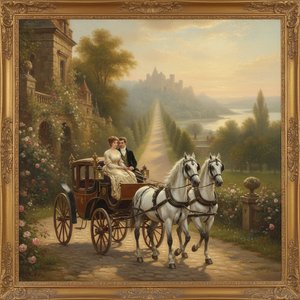
Embark on a visual journey through the romantic world of horse carriage art. Discover the mastery of equestrian oil paintings, from Impressionist textures to classical realism, and learn how to bring timeless elegance into your home with museum-quality reproductions.
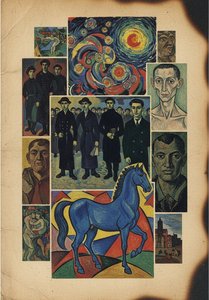
Descubre las 10 obras maestras del Expresionismo Alemán: Kirchner, Munch y más. Explora la historia, técnica y emoción detrás de estos lienzos icónicos. Reproducciones de arte de museo en Most-Famous-Paintings.com. ¡Inspira tu hogar con arte!


Manténgase al día con las últimas noticias de arte, ofertas exclusivas e ideas de decoración.
Cuéntanos sobre tu proyecto y nuestros expertos en arte te ofrecerán 3 sugerencias de obras personalizadas.
Dejamos que nosotros seleccionemos 3 opciones exclusivas para ti – ¡Gratis!


 Vista previa
 Compartir
 Compartir
 Ver detalles

 Descargar
 Ver similares
 Radiografía
 Presentación de diapositivas

 Leer más







 La opción de vidrio solo está disponible en tamaños inferiores a 110 cm.


