


x

 Acrylic On CanvasWallArtCubist Analytical
 1913Modern
 62.0 x 46.0 cm
Adquiera una imagen digital de alta resolución y optimizada, muy superior a la vista previa en línea.
Cada archivo es preparado meticulosamente por nuestros especialistas internos mediante el uso de herramientas avanzadas y un experto retoque manual. Nos aseguramos de que cada imagen posea una claridad excepcional, una precisión cromática impecable y un detalle minucioso.
El archivo final se entrega por correo electrónico en un plazo de 72 horas, optimizado para su uso inmediato en entornos profesionales, editoriales y de impresión. Esta es la misma calidad en la que confían los estudios de diseño, las editoriales y las galerías de primer nivel.
Descarga un archivo de alta resolución para exhibición personal, impresión y proyectos creativos. ( Pedir impresión Encargar reproducción pintada a mano)
Al elegir Most-Famous-Paintings.com, no solo está adquiriendo una imagen; está recibiendo una obra de arte digital mejorada profesionalmente, elaborada con precisión y respaldada por una garantía de satisfacción. Esto es todo lo que incluye su pedido, automáticamente:

Recibirá su archivo de imagen digital en alta resolución por correo electrónico en un plazo de 72 horas tras realizar su pedido, listo para su uso inmediato.

Su obra de arte se optimiza profesionalmente mediante herramientas avanzadas de IA y edición manual, garantizando el máximo detalle, claridad y precisión cromática.

¿Has borrado o perdido tu archivo por error? No te preocupes: te lo volveremos a enviar en cualquier momento, sin coste adicional.

Disfrute de su obra de arte al instante sin aduanas, aranceles ni gastos de envío; las descargas digitales siempre están libres de impuestos.

Garantizamos que su imagen digital refleje los colores originales con la mayor fidelidad posible, mediante el uso de herramientas profesionales y gestión del color.

Si no está satisfecho con su imagen digital, la revisaremos o le reembolsaremos el 100% en un plazo de 60 días, sin preguntas.

¿No está satisfecho? Obtenga un reembolso completo dentro de los 60 días posteriores a la recepción de su archivo digital, sin necesidad de explicaciones.

Compra 3 imágenes, ahorra 10% - Compra 5, ahorra 15% - Compra 10+, ahorra 20%. Ideal para proyectos creativos, galerías y agencias.
This evocative black and white drawing, titled “Aria de Bach,” offers a poignant glimpse into the artistic explorations of Georges Braque during 1913. Measuring 62 x 46 cm, this seemingly simple composition—a guitar encircled by instruments of musical mastery—holds within it the complex tensions and groundbreaking innovations that defined Braque’s pivotal role in the birth of Cubism. The image isn't merely a depiction of musical instruments; it’s a carefully constructed fragment, an attempt to capture not just their appearance but also the *essence* of music itself – its structure, its emotion, its very spirit.
Created in 1913, “Aria de Bach” sits squarely within the burgeoning movement of Cubism, a style pioneered by Braque and Pablo Picasso. At this time, traditional representational art was undergoing a radical transformation. Artists like Braque were rejecting single viewpoints and instead sought to depict objects from multiple perspectives simultaneously. This is evident in the fragmented forms of the instruments, presented as if seen through various angles at once – a technique central to Cubism’s challenge to conventional perception. The drawing's stark black and white palette further emphasizes this fractured reality, stripping away any illusion of depth or traditional perspective.
The choice of musical instruments is profoundly symbolic. Braque was deeply interested in the underlying structures of music, believing that its formal elements – rhythm, harmony, and structure – could be translated into visual form. The guitar, a cornerstone of Western music, represents this connection directly. However, the deconstructed presentation of the instrument—its fragmented outlines and multiple viewpoints—reflects Braque’s core Cubist strategy: to dismantle traditional forms and rebuild them according to his own conceptual understanding. This isn't simply a drawing of instruments; it’s an *interpretation* of music through the lens of Cubism.
Born in Argenteuil, France, in 1882, Georges Braque’s early life was shaped by his family's profession as house painters and decorators. This experience instilled a deep understanding of form, color, and material – skills that would later inform his revolutionary approach to painting. “Aria de Bach” exemplifies this fusion of technical skill with artistic vision. It represents a crucial moment in Braque’s development, solidifying his position as one of the most important figures in early 20th-century art. This drawing is not just a beautiful object; it's a tangible link to a pivotal period in art history – a testament to Braque’s daring experimentation and enduring legacy.

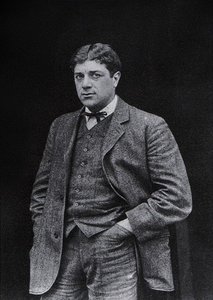
1882 - 1963 , Francia


Manténgase al día con las últimas noticias de arte, ofertas exclusivas e ideas de decoración.
Cuéntanos sobre tu proyecto y nuestros expertos en arte te ofrecerán 3 sugerencias de obras personalizadas.
Dejamos que nosotros seleccionemos 3 opciones exclusivas para ti – ¡Gratis!


 Vista previa
 Compartir
 Compartir
 Ver detalles

 Descargar
 Ver similares
 Radiografía
 Presentación de diapositivas
 Leer más


