


x

 Acrylic On CanvasWallArtProto-Cubist Landscape
 1906
1906 46.0 x 55.0 cm
Óleo sobre lienzo pintado a mano en el tamaño y marco de su elección, realizado por encargo por nuestros artistas. ( Pedir impresión Comprar descarga)
Elija entre nuestros tamaños predefinidos que respetan las proporciones originales de la obra.

Puede ingresar sus propias dimensiones para adaptarse a un marco o espacio específico. Si el tamaño seleccionado no coincide con las proporciones de la imagen original, recortaremos la obra o extenderemos la pintura con elementos adicionales pintados a mano. Se le enviará una maqueta digital para su aprobación antes de comenzar la producción.
Tenga en cuenta que la vista previa en pantalla no refleja el recorte o la extensión reales. Solo la maqueta mostrará con precisión la composición final.
Si bien existen tamaños personalizados, recomendamos seleccionar una dimensión de la lista predefinida para preservar las proporciones originales.
Envío a todo el mundo () en 3-4 semanas en lugar de las 5 semanas estándar. (21 agosto). Sin comprometer la calidad.


L'Estaque
Tamaño de la reproducción
Georges Braque’s “Landscape at L’Estaque,” painted in 1906, stands as an undeniable cornerstone of Fauvist art and a crucial precursor to the revolutionary Cubism movement spearheaded by Pablo Picasso and Henri Matisse. Situated on the Provençal hillside overlooking Marseille harbor, the painting captures not merely a visual representation of the landscape but embodies a profound shift in artistic perception—a deliberate dismantling of traditional perspective and a bold embrace of geometric abstraction.
Unlike Impressionist predecessors who sought to capture fleeting moments of light and color, Braque confronted the canvas with an uncompromising determination to depict reality as it truly appeared. The landscape is fragmented into interlocking planes of color—dominant hues of ochre, crimson, and violet—that collide and overlap without adhering to conventional spatial conventions. This fractured composition isn’t merely stylistic; it reflects a burgeoning intellectual preoccupation with dissecting visual experience and reconstructing it according to new principles.
Braque employed a technique characterized by thick, impasto brushstrokes—a deliberate layering of pigment that creates palpable textural surfaces. These bold strokes are juxtaposed against simplified geometric forms—rectangles, triangles, and circles—that dominate the visual field. This masterful manipulation of color and form distinguishes “Landscape at L’Estaque” from earlier artistic endeavors and establishes it as a pivotal moment in the development of modern art.
"Landscape at L'Estaque" emerged during a period of intense artistic experimentation, fueled by debates surrounding representation and influenced by developments in mathematics and philosophy. It anticipates the groundbreaking innovations of Cubism—a movement that would irrevocably alter the course of art history by challenging notions of depth and dimensionality. Picasso himself acknowledged Braque’s influence on his own artistic explorations, recognizing “Landscape at L’Estaque” as a formative experience.
Beyond its formal innovations, “Landscape at L’Estaque” resonates with symbolic significance—a reflection of the artist's engagement with themes of perception and transformation. The vibrant colors evoke sensations of warmth and energy, conveying an emotional intensity that transcends mere visual description. Ultimately, the painting invites viewers to contemplate not only what they see but also how they perceive the world around them—a timeless message that continues to captivate audiences today.
Born in Argenteuil, France, in 1882, Georges Braque’s artistic journey began amidst a family steeped in decorative arts and craftsmanship. His early exposure to the techniques of his father—a house painter—provided him with invaluable practical skills alongside an innate appreciation for visual harmony. Following formative studies at the École des Beaux-Arts in Le Havre, Braque honed his artistic vision through collaborations with fellow avant-garde artists like Picasso and Matisse.
“Landscape at L’Estaque” remains a testament to Braque's pioneering spirit—a seminal work that cemented his position as one of the most influential painters of the 20th century. Its enduring appeal lies in its ability to provoke contemplation and inspire creativity, serving as an exemplar of Fauvist style and a harbinger of Cubist revolution.

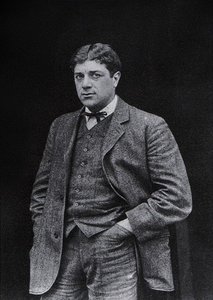
1882 - 1963 , Francia

Explore the revolutionary world of Cubism. Discover how masters Pablo Picasso and Georges Braque dismantled reality through geometric abstraction to redefine modern art history.


Manténgase al día con las últimas noticias de arte, ofertas exclusivas e ideas de decoración.
Cuéntanos sobre tu proyecto y nuestros expertos en arte te ofrecerán 3 sugerencias de obras personalizadas.
Dejamos que nosotros seleccionemos 3 opciones exclusivas para ti – ¡Gratis!


 Vista previa
 Compartir
 Compartir
 Ver detalles

 Descargar
 Ver similares
 Radiografía
 Presentación de diapositivas
 Leer más




































 La opción de vidrio solo está disponible en tamaños inferiores a 110 cm.


