


x

Impresiones giclée o en lienzo de calidad de museo con producción rápida y opciones de acabado flexibles. ( Encargar reproducción pintada a mano Comprar descarga)





























Elija entre nuestros tamaños predefinidos que respetan las proporciones originales de la obra.

Puede introducir sus propias dimensiones para adaptarse a un marco o espacio específico. Si el tamaño seleccionado no coincide con las proporciones de la imagen original, recortaremos la obra de arte o extenderemos la imagen con un borde con efecto espejo o de color sólido. Se enviará una maqueta digital para su aprobación antes de que comience la producción.
Tenga en cuenta que la vista previa en pantalla no refleja el recorte o la extensión real. Solo la maqueta mostrará con precisión la composición final.
Aunque existen tamaños personalizados, recomendamos seleccionar una dimensión de la lista predefinida para preservar las proporciones originales.
Envío a todo el mundo () en 2 semanas en lugar de las 4/5 semanas estándar. (16 agosto)


The duck
Tamaño de la reproducción
This captivating painting, simply titled “The Duck,” offers a profound glimpse into the revolutionary artistic vision of Georges Braque, one of the pioneers of Cubism. Executed with meticulous attention to detail, the artwork presents a seemingly straightforward depiction of a duck in flight – yet beneath this surface lies a complex exploration of form, space, and perception that defines the core tenets of Braque’s groundbreaking style. The stark contrast between the black and white plumage of the bird against the expansive blue sky immediately draws the viewer's eye, establishing a dynamic tension that speaks to the artist’s desire to dismantle traditional representational techniques.
Created during Braque’s pivotal period within the development of Cubism – roughly between 1907 and 1914 – “The Duck” embodies the movement's core principles. Emerging from a shared interest among Braque, Pablo Picasso, and other artists, Cubism sought to represent subjects from multiple viewpoints simultaneously, challenging the conventional notion of a single, fixed perspective. Braque’s training as a house painter and decorator, evident in his precise rendering and understanding of structure, provided a crucial foundation for this radical approach. He wasn't simply painting what he *saw*; he was actively reconstructing it according to his intellectual understanding of form.
The influence of Paul Cézanne is readily apparent – Braque, like Picasso, was deeply affected by Cézanne’s exploration of geometric forms within landscapes. However, unlike Cézanne's attempts to synthesize multiple viewpoints into a unified whole, Braque and Picasso fractured these views, presenting them as independent planes that intersect and overlap.
The painting is executed with a confident, almost brutalist, application of paint. Braque’s technique relies on thick impasto in certain areas, particularly around the edges of the duck's wings, creating a tactile quality that adds to the sense of dynamism. The use of black and white pigment allows for a dramatic interplay of light and shadow, further emphasizing the geometric forms. It is clear from the brushwork that Braque was not simply applying paint; he was actively shaping it to convey his artistic ideas.
The choice of black and white also speaks to the movement’s interest in exploring fundamental visual elements – line, shape, and plane – rather than being distracted by color. This reductionist approach allowed Braque to focus on the underlying structure of the subject matter, revealing its essential qualities with remarkable clarity.
"The Duck," despite its seemingly simple subject, resonates with deeper symbolic meanings. The duck itself can be interpreted as a symbol of transformation, renewal, or even vulnerability – themes frequently explored in modern art. More broadly, the painting’s fragmented form reflects the anxieties and uncertainties of the early 20th century, a period marked by rapid technological advancements, social upheaval, and a questioning of traditional values. The artwork evokes a sense of quiet contemplation, inviting viewers to engage with its complex visual language and contemplate the nature of perception itself.

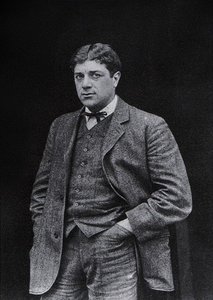
1882 - 1963 , Francia

Explore the revolutionary world of Cubism. Discover how Pablo Picasso and Georges Braque dismantled perspective to redefine modern art through geometric innovation and analytical mastery. An essential guide for art students, collectors, and history enthusiasts.

Explore the profound history and technical mastery of woodcut relief printing. From ancient origins to German Expressionism, discover how artists use the subtractive process to create iconic works. A definitive guide for art students, collectors, and historians.


Manténgase al día con las últimas noticias de arte, ofertas exclusivas e ideas de decoración.
Cuéntanos sobre tu proyecto y nuestros expertos en arte te ofrecerán 3 sugerencias de obras personalizadas.
Dejamos que nosotros seleccionemos 3 opciones exclusivas para ti – ¡Gratis!


 Vista previa
 Compartir
 Compartir
 Ver detalles

 Descargar
 Ver similares
 Radiografía
 Presentación de diapositivas

 Leer más







 La opción de vidrio solo está disponible en tamaños inferiores a 110 cm.


