


x

Adquiera una imagen digital de alta resolución y optimizada, muy superior a la vista previa en línea.
Cada archivo es preparado meticulosamente por nuestros especialistas internos mediante el uso de herramientas avanzadas y un experto retoque manual. Nos aseguramos de que cada imagen posea una claridad excepcional, una precisión cromática impecable y un detalle minucioso.
El archivo final se entrega por correo electrónico en un plazo de 72 horas, optimizado para su uso inmediato en entornos profesionales, editoriales y de impresión. Esta es la misma calidad en la que confían los estudios de diseño, las editoriales y las galerías de primer nivel.
Descarga un archivo de alta resolución para exhibición personal, impresión y proyectos creativos. ( Pedir impresión Encargar reproducción pintada a mano)
Al elegir Most-Famous-Paintings.com, no solo está adquiriendo una imagen; está recibiendo una obra de arte digital mejorada profesionalmente, elaborada con precisión y respaldada por una garantía de satisfacción. Esto es todo lo que incluye su pedido, automáticamente:

Recibirá su archivo de imagen digital en alta resolución por correo electrónico en un plazo de 72 horas tras realizar su pedido, listo para su uso inmediato.

Su obra de arte se optimiza profesionalmente mediante herramientas avanzadas de IA y edición manual, garantizando el máximo detalle, claridad y precisión cromática.

¿Has borrado o perdido tu archivo por error? No te preocupes: te lo volveremos a enviar en cualquier momento, sin coste adicional.

Disfrute de su obra de arte al instante sin aduanas, aranceles ni gastos de envío; las descargas digitales siempre están libres de impuestos.

Garantizamos que su imagen digital refleje los colores originales con la mayor fidelidad posible, mediante el uso de herramientas profesionales y gestión del color.

Si no está satisfecho con su imagen digital, la revisaremos o le reembolsaremos el 100% en un plazo de 60 días, sin preguntas.

¿No está satisfecho? Obtenga un reembolso completo dentro de los 60 días posteriores a la recepción de su archivo digital, sin necesidad de explicaciones.

Compra 3 imágenes, ahorra 10% - Compra 5, ahorra 15% - Compra 10+, ahorra 20%. Ideal para proyectos creativos, galerías y agencias.
Georges Braque's "Untitled (4262)," a monochrome study rendered in the heart of the early 20th century, isn’t merely a depiction of still life; it’s a profound meditation on perception and representation. Born in Argenteuil in 1882, Braque’s artistic journey was inextricably linked to the burgeoning currents of modernism, particularly the revolutionary ideas taking shape alongside his close collaborator, Pablo Picasso. This particular work, created around 1962 (though its exact dating remains elusive), embodies the culmination of their shared exploration into Cubism – a movement that dared to dismantle traditional notions of space and form, inviting viewers to actively participate in reconstructing the image within their own minds.
The painting’s genesis lies within the broader context of early Cubism. Following the influence of Paul Cézanne's emphasis on geometric forms and multiple viewpoints, Braque and Picasso began to dissect objects into their constituent parts, reassembling them in a fractured, multi-faceted manner. “Untitled (4262)” exemplifies this approach with remarkable clarity. The central subject – a shark rendered in angular planes – isn’t presented as a singular, unified entity but rather as a collection of fragmented geometric shapes, each imbued with tonal variations that suggest depth and volume. This deliberate distortion challenges our conventional understanding of the fish, transforming it into an abstract emblem of power and mystery.
The painting’s remarkable strength resides in its masterful manipulation of a restricted palette – primarily grayscale tones ranging from stark black to subtle shades of gray. This monochromatic approach isn't a limitation but rather a strategic tool, allowing Braque to focus entirely on the interplay of line, shape, and texture. Sharp, angular lines define the edges of each fragmented form, creating a sense of dynamic tension and visual complexity. The absence of vibrant color forces the viewer’s eye to navigate the intricate network of shapes and planes, fostering an intimate engagement with the artwork.
Furthermore, Braque skillfully employs subtle tonal shifts to suggest depth and volume. Areas of darker gray recede into the background, while lighter shades advance towards the viewer, creating a convincing illusion of spatial recession despite the abandonment of traditional perspective. The texture is deliberately understated – a smooth surface punctuated by carefully rendered shading—evoking a sense of quiet contemplation rather than overt visual drama. The overall effect is one of controlled elegance and intellectual rigor.
The choice of the shark as the central motif is laden with symbolic weight. Often associated with danger, primal instinct, and the unknown depths of the ocean, the shark embodies a potent blend of power and vulnerability. Within the context of Braque’s Cubist exploration, it becomes an emblem of fragmented identity – a creature simultaneously recognizable and utterly transformed through the artist's deconstructive process.
The painting’s somber mood—a result of the monochromatic palette and the fractured composition—evokes a sense of quiet contemplation. It invites viewers to consider not just what they are seeing, but also *how* it is being seen. “Untitled (4262)” isn't simply a representation of objects; it’s an invitation to engage in a dialogue with the artwork itself, questioning our assumptions about reality and perception.
“Untitled (4262)” stands as a testament to Georges Braque’s pivotal role in shaping the course of modern art. His collaboration with Picasso fundamentally altered the landscape of painting, paving the way for subsequent movements such as Futurism and Constructivism. This work exemplifies his commitment to exploring new ways of representing reality, challenging established conventions, and pushing the boundaries of artistic expression. Reproductions of this piece offer a captivating glimpse into the mind of a true innovator – a master of fragmentation who ultimately revealed the beauty within its chaos.

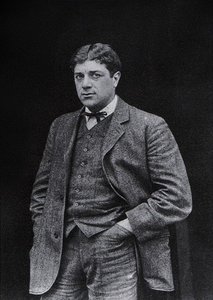
1882 - 1963 , Francia


Manténgase al día con las últimas noticias de arte, ofertas exclusivas e ideas de decoración.
Cuéntanos sobre tu proyecto y nuestros expertos en arte te ofrecerán 3 sugerencias de obras personalizadas.
Dejamos que nosotros seleccionemos 3 opciones exclusivas para ti – ¡Gratis!


 Vista previa
 Compartir
 Compartir
 Ver detalles

 Descargar
 Ver similares
 Radiografía
 Presentación de diapositivas
 Leer más


