


x

 Oil On CanvasWallArtEarly Netherlandish Painting
 1520
1520 40.0 x 32.0 cm
 Städel Museum
Impresiones giclée o en lienzo de calidad de museo con producción rápida y opciones de acabado flexibles. ( Comprar pintura hecha a mano Comprar imagen)





























Elija entre nuestros tamaños predefinidos que respetan las proporciones originales de la obra.

Puede introducir sus propias dimensiones para adaptarse a un marco o espacio específico. Si el tamaño seleccionado no coincide con las proporciones de la imagen original, recortaremos la obra de arte o extenderemos la imagen con un borde con efecto espejo o de color sólido. Se enviará una maqueta digital para su aprobación antes de que comience la producción.
Tenga en cuenta que la vista previa en pantalla no refleja el recorte o la extensión real. Solo la maqueta mostrará con precisión la composición final.
Aunque existen tamaños personalizados, recomendamos seleccionar una dimensión de la lista predefinida para preservar las proporciones originales.
Envío a todo el mundo () en 2 semanas en lugar de las 4/5 semanas estándar. (23 agosto)


The Annunciation
Dimensiones de la reproducción
Gerard David's "The Annunciation," painted in 1520, is more than just a depiction of a biblical narrative; it’s a profound meditation on faith, humility, and the transformative power of divine grace. Measuring 40 x 32 cm, this intimate work offers a remarkably detailed glimpse into the artistic sensibilities of one of the most significant figures of the early Netherlandish Renaissance. David's meticulous attention to detail, combined with his masterful understanding of light and shadow – hallmarks of what would become known as “Flemish Light” – elevates this scene beyond mere illustration, transforming it into a deeply moving experience for the viewer.
The painting portrays the pivotal moment when the Archangel Gabriel appears to Mary to announce her impending role as the mother of Jesus. The composition is carefully structured to emphasize the reverence and solemnity of the event. Mary, kneeling in prayer with a staff – a symbol of protection and devotion – occupies the lower portion of the canvas, while Gabriel stands above her, radiating an aura of celestial authority. The inclusion of the bed in the background subtly references the Virgin’s purity and virginity, central tenets of Christian belief. The book on the right side, often interpreted as representing Mary's acceptance of God's will, adds another layer of symbolic richness to the scene. David’s use of perspective, though not entirely linear, creates a believable three-dimensional space, drawing the viewer into the heart of this sacred encounter.
David was a master of oil painting, employing a technique characterized by smooth gradations of color and meticulous detail. His brushwork is remarkably delicate, particularly evident in the rendering of Mary’s garments and the angel's flowing robes. Influenced by early Italian Renaissance artists like Masaccio and Donatello, David skillfully utilized *chiaroscuro* – the dramatic contrast between light and dark – to model forms and create a sense of volume. This technique, combined with his deep understanding of Flemish artistic traditions, resulted in a painting that is both technically brilliant and emotionally resonant. The use of rich pigments, including vibrant blues and reds, further enhances the visual impact of the work.
"The Annunciation" was created during a period of significant religious and intellectual ferment in Europe. The rise of humanism encouraged a renewed interest in classical antiquity, while the Protestant Reformation challenged established Catholic doctrines. Despite these turbulent times, David remained committed to producing works that celebrated Christian faith and morality. His paintings were highly sought after by wealthy patrons – including members of Bruges’ merchant elite – who commissioned them for private devotion. Following a period of relative obscurity in the 17th century, Gerard David's work was rediscovered and championed by 19th-century art historians, solidifying his place as a pivotal figure in the Northern Renaissance and ensuring that "The Annunciation" continues to inspire awe and contemplation today.


1450 - 1523 , Países Bajos

Explore the captivating world of Gerard David, a pivotal figure bridging late medieval artistry with the Early Renaissance. Discover his innovative techniques, religious masterpieces, and enduring legacy – a must-read for discerning art collectors.

Descubra cómo las galerías de élite redefinen el valor de las reproducciones artísticas. Expertos en calidad, personalización y coleccionismo. Invierta con confianza.

Descubre reproducciones de arte excepcionales hechas por artistas expertos. Lienzos personalizados y réplicas fieles con garantía de calidad museo. ¡Preserva el patrimonio visual y eleva tu espacio!
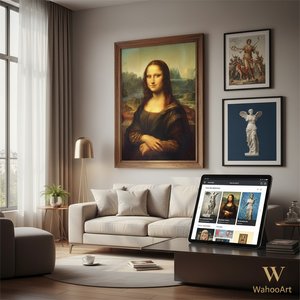
Descubre los 25 tesoros del Louvre: desde la Mona Lisa de Leonardo da Vinci hasta la Venus de Milo. Explora la historia, el arte clásico y encuentra reproducciones de alta calidad para decorar tu hogar con elegancia en Most-Famous-Paintings.com.

Descubre reproducciones de arte excepcionales hechas por artistas expertos. Lienzos personalizados y réplicas fieles con garantía de calidad museo. ¡Preserva el patrimonio visual!


Manténgase al día con las últimas noticias de arte, ofertas exclusivas e ideas de decoración.
Cuéntanos sobre tu proyecto y nuestros expertos en arte te ofrecerán 3 sugerencias de obras personalizadas.
Permítenos seleccionar 3 opciones exclusivas para ti – ¡Gratis!


 Ver en contexto
 Enviar
 Compartir
 Detalles

 Descargar
 Similares
 Radiografía
 Presentación de diapositivas
 Ver más







 La opción de vidrio solo está disponible en tamaños inferiores a 110 cm.


