


x
 Oil On CanvasWallArtHigh Renaissance
 1525
1525 163.0 x 337.0 cm
 Museo del Hermitage
Adquiera una imagen digital de alta resolución y optimizada, muy superior a la vista previa en línea.
Cada archivo es preparado meticulosamente por nuestros especialistas internos mediante el uso de herramientas avanzadas y un experto retoque manual. Nos aseguramos de que cada imagen posea una claridad excepcional, una precisión cromática impecable y un detalle minucioso.
El archivo final se entrega por correo electrónico en un plazo de 72 horas, optimizado para su uso inmediato en entornos profesionales, editoriales y de impresión. Esta es la misma calidad en la que confían los estudios de diseño, las editoriales y las galerías de primer nivel.
Descarga un archivo de alta resolución para exhibición personal, impresión y proyectos creativos. ( Pedir impresión Encargar reproducción pintada a mano)
Al elegir Most-Famous-Paintings.com, no solo está adquiriendo una imagen; está recibiendo una obra de arte digital mejorada profesionalmente, elaborada con precisión y respaldada por una garantía de satisfacción. Esto es todo lo que incluye su pedido, automáticamente:

Recibirá su archivo de imagen digital en alta resolución por correo electrónico en un plazo de 72 horas tras realizar su pedido, listo para su uso inmediato.

Su obra de arte se optimiza profesionalmente mediante herramientas avanzadas de IA y edición manual, garantizando el máximo detalle, claridad y precisión cromática.

¿Has borrado o perdido tu archivo por error? No te preocupes: te lo volveremos a enviar en cualquier momento, sin coste adicional.

Disfrute de su obra de arte al instante sin aduanas, aranceles ni gastos de envío; las descargas digitales siempre están libres de impuestos.

Garantizamos que su imagen digital refleje los colores originales con la mayor fidelidad posible, mediante el uso de herramientas profesionales y gestión del color.

Si no está satisfecho con su imagen digital, la revisaremos o le reembolsaremos el 100% en un plazo de 60 días, sin preguntas.

¿No está satisfecho? Obtenga un reembolso completo dentro de los 60 días posteriores a la recepción de su archivo digital, sin necesidad de explicaciones.

Compra 3 imágenes, ahorra 10% - Compra 5, ahorra 15% - Compra 10+, ahorra 20%. Ideal para proyectos creativos, galerías y agencias.
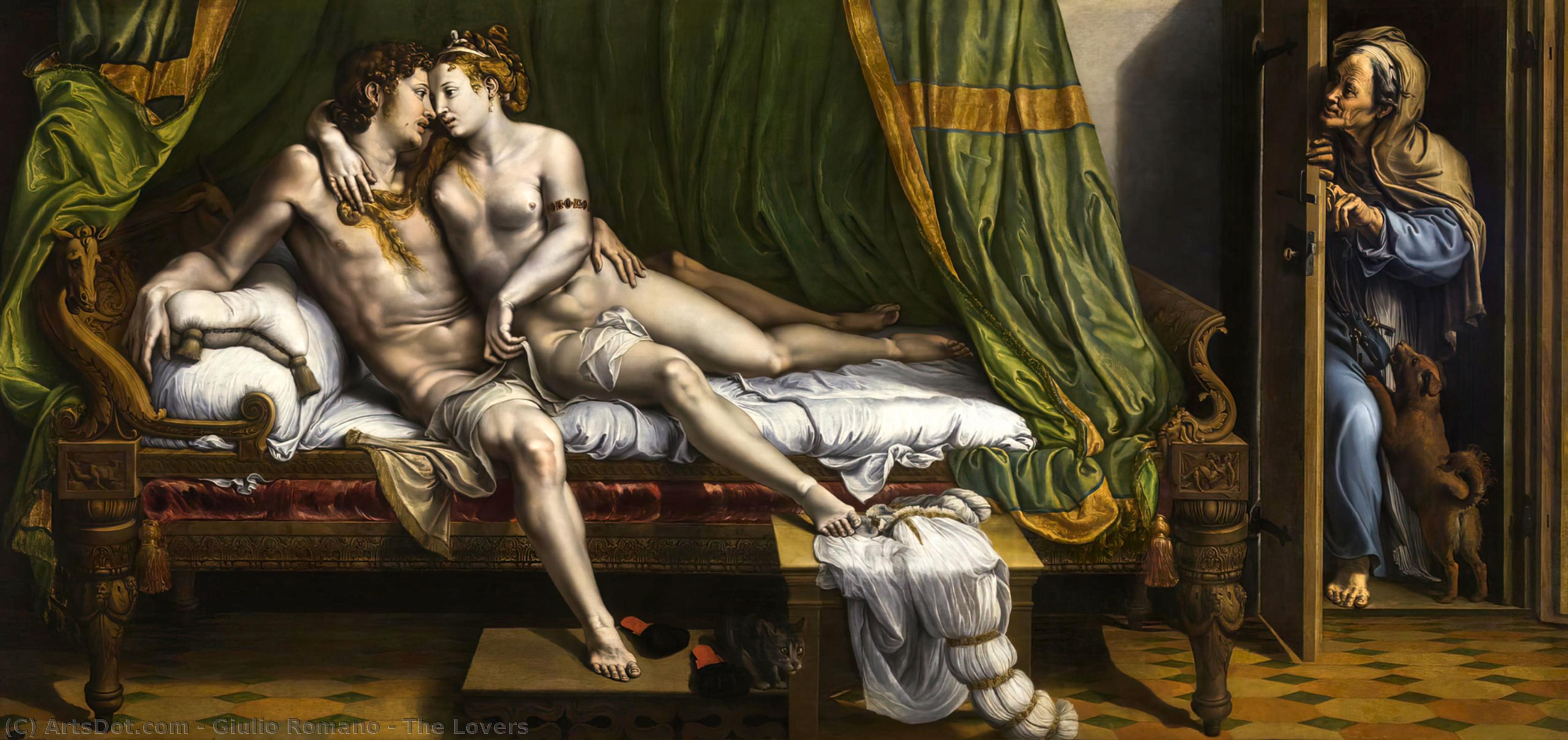
Giulio Romano’s “The Lovers,” painted around 1525, isn't merely a depiction of intimacy; it’s a meticulously crafted tableau brimming with symbolism and echoing the complex currents of the High Renaissance. Born Giulio Pippi in Rome around 1499, Romano swiftly ascended through the ranks of Raphael’s studio, absorbing the master’s classical ideals while simultaneously forging his own distinctive Mannerist style – a style characterized by heightened emotion, distorted forms, and an exploration of psychological depth. This particular painting, now housed within the hallowed halls of the Hermitage Museum in St. Petersburg, offers a rare glimpse into Romano's artistic vision and his profound understanding of human desire and its attendant anxieties.
The scene unfolds within a lavishly appointed chamber, bathed in an opulent yet subtly shadowed light. At the heart of the composition lie two figures entwined in a passionate embrace – a couple lost in a moment of intense connection. However, Romano deliberately subverts traditional representations of love, imbuing the image with layers of ambiguity and intrigue. The figures themselves are rendered with a cool detachment, almost sculptural in their stillness, reflecting the influence of ancient Greek sculpture. Their skin possesses an unnerving pallor, hinting at a sense of timelessness and perhaps even a touch of melancholy – a departure from the vibrant flesh tones favored by earlier Renaissance masters.
The painting’s power resides not just in its sensual depiction but also in the intricate web of symbols woven throughout. Observe, for instance, the carefully positioned slippers resting on the floor – a deliberate disruption of the scene's harmony. They represent a marital bond, yet their placement suggests an absence, a separation that underscores the precariousness of love and the potential for betrayal. The cat curled at the feet of the lady in waiting is a potent symbol of illicit desire, while the loyal dog beside her speaks to the constraints of societal expectations and the enduring nature of fidelity. The keys held by the woman signify children – a responsibility that further complicates the lovers’ situation.
Beyond these immediate details, Romano draws heavily from classical mythology. The arrangement of objects—the bed, the drapery, the architectural elements—echoes the forms found in Roman sarcophagi and tomb decorations. This deliberate allusion to antiquity elevates the scene beyond a simple portrayal of love; it transforms it into an allegory of eternal themes – desire, loss, and the passage of time. The archangel Raphael, positioned above the couple, serves as a silent witness, embodying divine judgment and perhaps hinting at the consequences of their actions.
Executed in oil on panel, “The Lovers” showcases Romano’s mastery of illusionistic painting – a hallmark of Mannerism. He employs techniques such as *trompe-l'oeil* to create the impression of depth and realism, blurring the boundaries between painted surface and perceived reality. The meticulous detail evident in the rendering of fabrics, textures, and architectural elements speaks to Romano’s exceptional technical skill. It is believed that this painting was commissioned for Federico II Gonzaga, Duke of Mantua, a discerning patron who appreciated both beauty and intellectual complexity.
Interestingly, “The Lovers” emerged during a period of immense upheaval in Italy – the Sack of Rome in 1527 marked a turning point in the Renaissance, disrupting artistic patronage and scattering artists across Europe. Romano’s relocation to Mantua provided him with a new creative environment and allowed him to develop his unique style largely free from the constraints of papal influence. The painting stands as a testament to his resilience and adaptability, showcasing a profound shift away from the idealized beauty of the High Renaissance towards a more emotionally charged and psychologically nuanced aesthetic.
“The Lovers” is more than just a beautiful painting; it’s a complex meditation on love, desire, and the human condition. Its enduring appeal lies in its ability to evoke a wide range of emotions – from passionate longing to quiet melancholy. Reproductions of this iconic work offer an opportunity to bring this captivating scene into any space, inviting contemplation and sparking conversation about the timeless themes it explores. It remains a powerful reminder of Romano’s genius and his lasting contribution to the history of art.


1499 - 1546 , Italia


Manténgase al día con las últimas noticias de arte, ofertas exclusivas e ideas de decoración.
Cuéntanos sobre tu proyecto y nuestros expertos en arte te ofrecerán 3 sugerencias de obras personalizadas.
Dejamos que nosotros seleccionemos 3 opciones exclusivas para ti – ¡Gratis!


 Vista previa
 Compartir
 Compartir
 Ver detalles

 Descargar
 Ver similares
 Radiografía
 Presentación de diapositivas
 Leer más


