x

Óleo sobre lienzo pintado a mano en el tamaño y marco de su elección, realizado por encargo por nuestros artistas. ( Pedir impresión Comprar descarga)





























Elija entre nuestros tamaños predefinidos que respetan las proporciones originales de la obra.

Puede ingresar sus propias dimensiones para adaptarse a un marco o espacio específico. Si el tamaño seleccionado no coincide con las proporciones de la imagen original, recortaremos la obra o extenderemos la pintura con elementos adicionales pintados a mano. Se le enviará una maqueta digital para su aprobación antes de comenzar la producción.
Tenga en cuenta que la vista previa en pantalla no refleja el recorte o la extensión reales. Solo la maqueta mostrará con precisión la composición final.
Si bien existen tamaños personalizados, recomendamos seleccionar una dimensión de la lista predefinida para preservar las proporciones originales.
Envío a todo el mundo () en 3-4 semanas en lugar de las 5 semanas estándar. (15 agosto). Sin comprometer la calidad.


Bewegte Wasser
Tamaño de la reproducción
Gustav Klimt (14 July 1862 – 6 February 1918) was an Austrian symbolist painter and a founding member of the Vienna Secession movement. His work helped define the Art Nouveau style in Europe. Klimt is known for his paintings, murals, sketches, and other objets d'art. Klimt’s primary subject was the female body, and his works are marked by a frank eroticism. Amongst his figurative works, he painted landscapes.
Klimt’s artistic journey began with architectural painting under Ferdinand Laufberger at the Vienna Kunstgewerbeschule in 1876, where he honed foundational skills before embracing a more personal style. The Secession movement, established in 1907, challenged academic conventions and championed innovation—a spirit that profoundly influenced Klimt’s oeuvre.
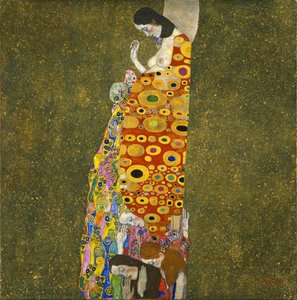
“Moving Water” exemplifies Klimt's signature blend of Symbolism and Art Nouveau aesthetics. Created in 1898, this oil on canvas piece showcases his mastery of technique and his ability to convey complex ideas through visual means. The painting captures the ethereal beauty of water—a recurring motif in Klimt’s work—infused with feminine symbolism.
The composition features undulating waves rendered in shimmering blues and greens, mirroring the fluidity of movement. At the center stands a nude woman draped in flowing fabric adorned with golden accents—a deliberate reference to Byzantine mosaics and a visual embodiment of Klimt's fascination with opulent ornamentation. The subtle interplay of light and shadow enhances the painting’s dramatic effect.
Beyond its formal beauty, “Moving Water” speaks to deeper themes of spirituality and desire. Klimt’s meticulous brushwork—characterized by delicate lines and textured surfaces—creates a palpable sense of atmosphere. He skillfully captures the essence of human emotion through expressive gestures and poses, inviting contemplation on the relationship between man and woman.
The painting's enduring appeal lies in its ability to evoke feelings of serenity and wonder. Klimt’s masterful use of color and form elevates “Moving Water” beyond mere representation—transforming it into a profound meditation on beauty and transcendence.

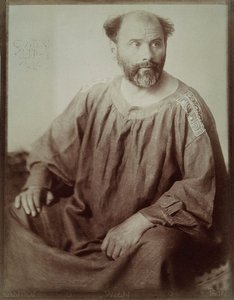
1862 - 1918 , Austria

Explore the profound impact of the Vienna Secession movement. Discover how visionaries like Gustav Klimt revolutionized modern art through symbolism, gold leaf, and the concept of Gesamtkunstwerk in this expert-led historical guide.

Explore the profound history and technical brilliance of oil on panel painting. From Renaissance masters to modern techniques, discover why this rigid support offers unparalleled precision and permanence for fine art lovers and collectors.


Manténgase al día con las últimas noticias de arte, ofertas exclusivas e ideas de decoración.
Cuéntanos sobre tu proyecto y nuestros expertos en arte te ofrecerán 3 sugerencias de obras personalizadas.
Dejamos que nosotros seleccionemos 3 opciones exclusivas para ti – ¡Gratis!


 Vista previa
 Compartir
 Compartir
 Ver detalles

 Descargar
 Ver similares
 Radiografía
 Presentación de diapositivas

 Leer más







 La opción de vidrio solo está disponible en tamaños inferiores a 110 cm.