x

 Preview
 Encargar reproducción Comprar imagen en alta resolución
 Enviar
 Detalles
 Añadir a favoritos
 Descargar
 Similares
 Radiografía
 Presentación de diapositivas
 Acrylic On CanvasWallArtContemporary Realism
 19th Century
 26.0 x 33.0 cm
 Legion of Honor
Impresión giclée o en lienzo de calidad de museo con producción rápida y opciones de acabado flexibles.





























Elija entre nuestros tamaños predefinidos que respetan las proporciones originales de la obra.

Puede introducir sus propias dimensiones para adaptarse a un marco o espacio específico. Si el tamaño seleccionado no coincide con las proporciones de la imagen original, recortaremos la obra de arte o extenderemos la imagen con un borde con efecto espejo o de color sólido. Se enviará una maqueta digital para su aprobación antes de que comience la producción.
Tenga en cuenta que la vista previa en pantalla no refleja el recorte o la extensión real. Solo la maqueta mostrará con precisión la composición final.
Aunque existen tamaños personalizados, recomendamos seleccionar una dimensión de la lista predefinida para preservar las proporciones originales.
Entrega mundial () en 2 semanas en lugar de las 4/5 semanas estándar. (24 julio)


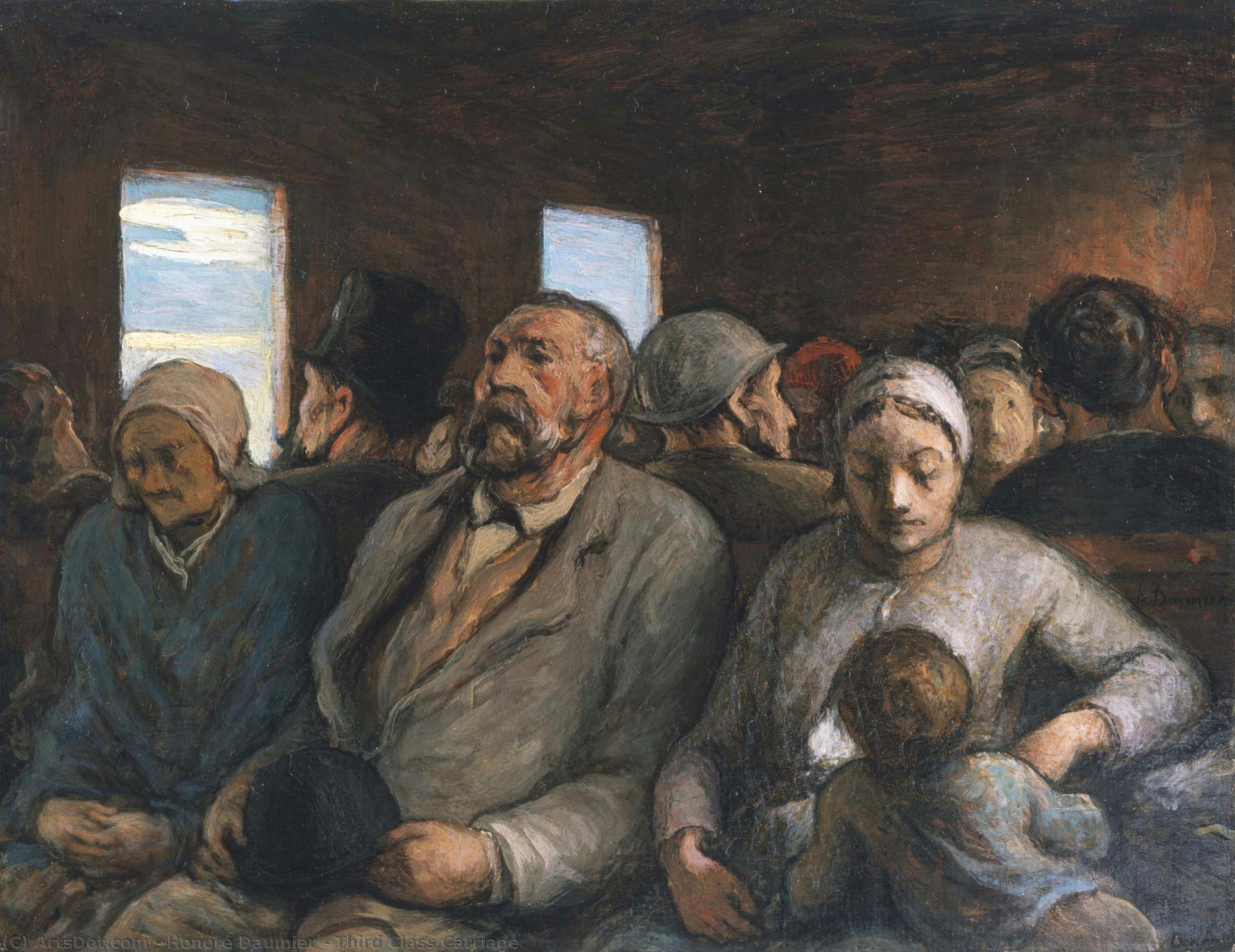
Third Class Carriage
Tamaño de la reproducción
Honoring the legacy of Honoré Daumier, this meticulously crafted hand-painted reproduction captures a quintessential moment in French history – a snapshot of everyday life aboard a third-class train carriage. Painted with an astute eye for detail and imbued with the social commentary that defined Daumier’s oeuvre, “Third Class Carriage” offers more than just a visual representation; it's a poignant glimpse into the lives and experiences of ordinary people navigating the burgeoning industrial landscape of 19th-century France. The scene unfolds within a tightly composed black and white image, dominated by the utilitarian space of the train car itself – benches stretching across the frame, occupied by thirteen individuals engaged in quiet contemplation or absorbed in their pursuits.
The composition itself is rich in symbolic potential. The close proximity of the passengers suggests both intimacy and constraint – a reflection of the realities of shared space and circumstance. The men in ties, representing various professions and social strata, underscore the diverse nature of the traveling public. Daumier’s deliberate choice to depict this seemingly mundane scene elevates it to a powerful statement about human connection, social inequality, and the transformative power of travel. It invites viewers to consider the stories behind each face, prompting reflection on themes of class, identity, and the shared human experience.
This hand-painted reproduction of “Third Class Carriage” by Honoré Daumier is more than just a beautiful artwork; it’s an investment in art history. Printed on high-quality archival paper with meticulous attention to detail, this piece will bring a touch of Daumier's genius into your home or office. Its size (26 x 33 cm) makes it ideal for a variety of settings – from a small study to a larger living room. Perfect for interior designers seeking to evoke the spirit of 19th-century France, or art collectors drawn to Daumier’s powerful social commentary and masterful technique, this reproduction offers an unparalleled opportunity to own a piece of artistic history.


1808 - 1879 , Francia

Explore the life & work of Honoré Daumier, a master of 19th-century French realism and satire. Discover his powerful lithographs, paintings, and sculptures critiquing society – and his lasting influence on modern art.

Descubre el fascinante mundo del Realismo Social. Explora sus orígenes, artistas clave y su impacto duradero en la historia del arte. ¡Encuentra reproducciones de alta calidad en Most-Famous-Paintings!

Explore the powerful history of social commentary in art! Discover key artists like Hogarth & Daumier, movements from Realism to American Social Realism, and how art reflects—and challenges—society. Expert insights at Most-Famous-Paintings.
Explore 10 defining masterpieces of Romantic Realism! Discover Courbet, Millet & Daumier's powerful paintings—capturing emotion and social realities. Find museum-quality reproductions for your home at Most-Famous-Paintings.com.

Explore the captivating world of 19th-century Realism! Discover key artists like Courbet & Millet, masterpieces, and the powerful social commentary behind this influential art movement. Expert insights at Most-Famous-Paintings.


Manténgase al día con las últimas noticias de arte, ofertas exclusivas e ideas de decoración.
Cuéntanos sobre tu proyecto y nuestros expertos en arte te ofrecerán 3 sugerencias de obras personalizadas.
Permítenos seleccionar 3 opciones solo para ti – ¡Gratis!


 Compartir

 Ver más







 La opción de vidrio solo está disponible en tamaños inferiores a 110 cm.