


x

Impresiones giclée o en lienzo de calidad de museo con producción rápida y opciones de acabado flexibles. ( Encargar reproducción pintada a mano Comprar descarga)





























Elija entre nuestros tamaños predefinidos que respetan las proporciones originales de la obra.

Puede introducir sus propias dimensiones para adaptarse a un marco o espacio específico. Si el tamaño seleccionado no coincide con las proporciones de la imagen original, recortaremos la obra de arte o extenderemos la imagen con un borde con efecto espejo o de color sólido. Se enviará una maqueta digital para su aprobación antes de que comience la producción.
Tenga en cuenta que la vista previa en pantalla no refleja el recorte o la extensión real. Solo la maqueta mostrará con precisión la composición final.
Aunque existen tamaños personalizados, recomendamos seleccionar una dimensión de la lista predefinida para preservar las proporciones originales.
Envío a todo el mundo () en 2 semanas en lugar de las 4/5 semanas estándar. (14 agosto)


Roman Ruins
Tamaño de la reproducción
Hubert Robert (1733 – 1808), a Parisian painter whose career spanned the turbulent decades preceding and during the French Revolution, stands as an emblem of Romanticism's fascination with ruins—not merely as physical remnants of grandeur past but as symbols of time’s relentless march and the sublime power of nature. His artwork transcends mere representation; it strives to evoke emotion and contemplation, capturing a fleeting moment of ethereal beauty amidst crumbling stone.
Robert's canvases frequently depict landscapes dominated by ruined villas and temples—sites once celebrated for their opulent splendor now overgrown with vegetation and imbued with an air of melancholy. These scenes aren’t haphazard assemblages of stones; they are carefully constructed compositions designed to convey a profound sense of atmosphere. Consider “Roman Ruins,” where a majestic archway frames a vista of crumbling walls, verdant foliage, and figures engaged in quiet contemplation. This juxtaposition—the monumental architecture against the tranquil wilderness—immediately establishes a dialogue between history and nature.
Robert’s artistic approach aligns perfectly with the Romantic capriccio style – a genre characterized by spontaneous landscapes infused with imaginative elements. Unlike Neoclassical paintings that prioritized rational order and idealized forms, Robert embraced irregularity and emotion. He skillfully blended observation with fantasy, creating scenes that felt both grounded in reality and transcendentally beautiful. The artist’s loose brushwork—visible paint strokes—contribute to the overall impression of dynamism and immediacy.
Robert employed oil paints on canvas as his medium, allowing him to achieve remarkable tonal range and textural depth. He meticulously rendered light and shadow, capturing the subtle nuances of sunlight filtering through foliage—a technique that exemplifies Romanticism’s preoccupation with sensory experience. The artist's attention to detail is evident in the depiction of crumbling stone surfaces, moss-covered walls, and individual leaves, creating a palpable sense of realism alongside an overarching feeling of grandeur.
"Roman Ruins" speaks volumes about Romantic ideals. The decaying edifice represents not just physical deterioration but also the inevitable passage of time—a reminder that even the most magnificent creations are ultimately vulnerable to oblivion. Yet, amidst this decay flourishes life—represented by abundant vegetation and human figures—suggesting themes of regeneration and resilience. Robert’s paintings tap into the sublime – a feeling of awe inspired by confronting overwhelming beauty or terror—provoking contemplation on humanity's place within the vastness of nature and history.
Ultimately, Hubert Robert’s “Roman Ruins” achieves its emotional resonance through a masterful blend of visual elements. The warm color palette – ochres, browns, golds – evokes antiquity and warmth, while the dramatic lighting illuminates the central archway and casts shadows within the ruins. The composition draws the viewer inward, fostering a sense of intimacy with the scene and encouraging reflection on its profound symbolism. It’s a painting that lingers in the memory long after viewing—a testament to Robert's ability to transform observation into evocative art.

Hubert Robert fue un pintor francés celebrado por sus evocadores paisajes y pinturas de *capricho*—representaciones pintorescas semi-ficticias de ruinas en Italia y Francia. Se le considera una figura clave que une los períodos Rococó y Neoclásico, anticipando aspectos del Romanticismo con su fascinación por la decadencia, la historia y las reconstrucciones imaginativas.
Nicolas Robert, el padre de Hubert, sirvió a François-Joseph de Choiseul, Marqués de Stainville. Robert recibió una educación jesuita en el Collège de Navarre en 1751. Luego estudió escultura con Michel-Ange Slodtz, quien lo animó a dedicarse a la pintura. Esta formación temprana le inculcó una sólida base en diseño y perspectiva, elementos cruciales que definirían más tarde su estilo artístico.
Su tiempo en Roma moldeó profundamente su visión artística. La yuxtaposición de las antiguas ruinas romanas con la vida contemporánea despertó su interés por representar la decadencia junto a la vitalidad, un tema recurrente a lo largo de su carrera.
El éxito parisino de Robert se debió a su capacidad para capturar tanto la grandeza de la antigüedad clásica como la vitalidad de la vida contemporánea. Sus obras resonaron en el público fascinado por la historia, la arqueología y lo pintoresco.
El legado de Hubert Robert radica en su capacidad única para combinar la precisión histórica con la visión imaginativa. Pionero de un género de pintura que celebra tanto la belleza de la decadencia como el poder perdurable de la creatividad humana. Su obra continúa inspirando a artistas y cautivando al público, consolidando su lugar como una figura significativa en el arte del siglo XVIII.

1733 - 1808 , Francia

Explore the captivating world of Hubert Robert, master of Romantic landscape painting & 'capriccio' ruins. Discover his historical context, artistic innovations, and collecting insights with Most-Famous-Paintings.

Descubre los 10 paisajes románticos más influyentes de artistas como Caspar David Friedrich y Turner. Explora la belleza, el simbolismo y las técnicas del movimiento romántico. Reproducciones de arte exclusivas en Most-Famous-Paintings.com.

Explora la profunda conexión entre el arte romántico y la naturaleza. Descubre a Caspar David Friedrich, John Constable y otros maestros del sublime y lo pintoresco. Análisis experto e historia del movimiento.
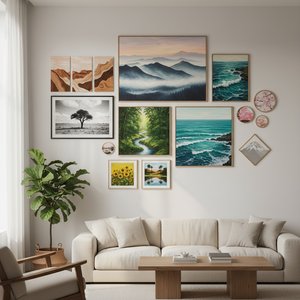
Descubre los 10 paisajes más emblemáticos de la historia del arte, desde Monet a Van Gogh. Explora su significado, técnica y belleza atemporal. Encuentra reproducciones de alta calidad e inspira tu hogar con Most-Famous-Paintings.com.

Explore the emotional depth of Romantic landscape painting (18th-19th century). Discover key artists like Friedrich & Cole, and the concepts of the sublime. Expert insights for art lovers & collectors.


Manténgase al día con las últimas noticias de arte, ofertas exclusivas e ideas de decoración.
Cuéntanos sobre tu proyecto y nuestros expertos en arte te ofrecerán 3 sugerencias de obras personalizadas.
Dejamos que nosotros seleccionemos 3 opciones exclusivas para ti – ¡Gratis!


 Vista previa
 Compartir
 Compartir
 Ver detalles

 Descargar
 Ver similares
 Radiografía
 Presentación de diapositivas


 Leer más







 La opción de vidrio solo está disponible en tamaños inferiores a 110 cm.


