
Vende tu arte
Lista de deseos Carrito de compras Cart
x
Vista previaVista previa Vista previa en RAVista previa en RA Comprar impresión Comprar impresiónComprar pintura hecha a mano Comprar pintura hecha a mano CompartirCompartir
Ver detallesVer detalles Añadir a favoritos Añadir a favoritos DescargarDescargar Ver similaresVer similares RadiografíaRadiografía Presentación de diapositivasPresentación de diapositivas

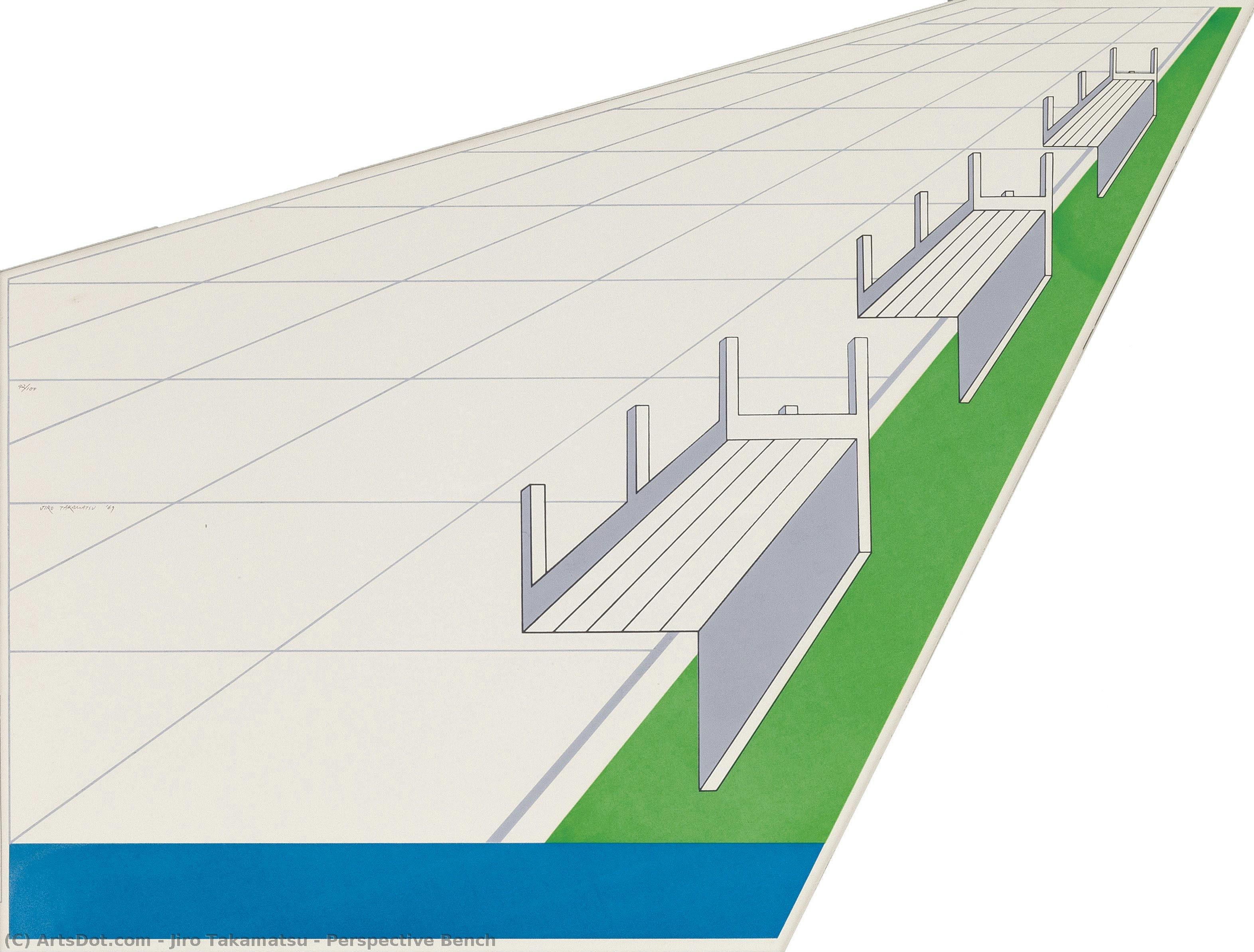
Perspective Bench

Explore Jiro Takamatsu’s ‘Perspective Bench,’ a striking geometric abstraction of a retaining wall. Digital rendering showcases precise lines & muted tones – minimalist, architectural, and captivating.

Meta Description: Jiro Takamatsu revolucionó el arte japonés posguerra con esculturas sombras y acciones conceptuales inspiradas en Minimalismo y Fluxus. Exploró la esencia de la percepción y materiales como herramientas filosóficas clave.

Adquiera una imagen digital de alta resolución y optimizada, muy superior a la vista previa en línea.

Cada archivo es preparado meticulosamente por nuestros especialistas internos mediante el uso de herramientas avanzadas y un experto retoque manual. Nos aseguramos de que cada imagen posea una claridad excepcional, una precisión cromática impecable y un detalle minucioso.

El archivo final se entrega por correo electrónico en un plazo de 72 horas, optimizado para su uso inmediato en entornos profesionales, editoriales y de impresión. Esta es la misma calidad en la que confían los estudios de diseño, las editoriales y las galerías de primer nivel.

Imagen Digital

Descarga un archivo de alta resolución para exhibición personal, impresión y proyectos creativos. (Comprar impresión Comprar impresiónComprar pintura hecha a mano Comprar pintura hecha a mano)

Precio total

$ 24,90

Incluido en cada compra de imágenes digitales

Entrega digital experta, garantizada.

Al elegir Most-Famous-Paintings.com, no solo está adquiriendo una imagen; está recibiendo una obra de arte digital mejorada profesionalmente, elaborada con precisión y respaldada por una garantía de satisfacción. Esto es todo lo que incluye su pedido, automáticamente:

shipping_icon
Entrega rápida por email

Recibirá su archivo de imagen digital en alta resolución por correo electrónico en un plazo de 72 horas tras realizar su pedido, listo para su uso inmediato.

canvas_icon
Archivo digital optimizado por IA

Su obra de arte se optimiza profesionalmente mediante herramientas avanzadas de IA y edición manual, garantizando el máximo detalle, claridad y precisión cromática.

insurance_icon
Reenvío gratuito de por vida

¿Has borrado o perdido tu archivo por error? No te preocupes: te lo volveremos a enviar en cualquier momento, sin coste adicional.

tax_icon
Sin gastos de importación, siempre

Disfrute de su obra de arte al instante sin aduanas, aranceles ni gastos de envío; las descargas digitales siempre están libres de impuestos.

color_icon
Garantía de precisión de color

Garantizamos que su imagen digital refleje los colores originales con la mayor fidelidad posible, mediante el uso de herramientas profesionales y gestión del color.

return_icon
Garantía de satisfacción de 60 días

Si no está satisfecho con su imagen digital, la revisaremos o le reembolsaremos el 100% en un plazo de 60 días, sin preguntas.

guarantee_icon
100% Garantía de devolución de dinero

¿No está satisfecho? Obtenga un reembolso completo dentro de los 60 días posteriores a la recepción de su archivo digital, sin necesidad de explicaciones.

discount_icon
Descuentos por volumen

Compra 3 imágenes, ahorra 10% - Compra 5, ahorra 15% - Compra 10+, ahorra 20%. Ideal para proyectos creativos, galerías y agencias.


Biografía del artista

Jiro Takamatsu: Sculptural Shadows and the Poetics of Absence

Jiro Takamatsu (高松 次郎, *Takamatsu Jirō*; 20 February 1936 – 25 June 1998) stands as a pivotal figure in postwar Japanese art, recognized for his radical exploration of materiality, perception, and the very nature of artistic representation. Born in Tokyo in 1936, Takamatsu’s career spanned decades during which he relentlessly interrogated conventional notions of art through groundbreaking sculptural interventions and conceptual explorations rooted in Minimalism and Fluxus. His work transcends mere visual aesthetics; it delves into philosophical inquiries concerning cognition, emptiness, and the limits of human experience—themes that continue to resonate within contemporary artistic discourse. ### Early Life and Artistic Influences Takamatsu’s formative years were marked by exposure to Western art history, notably Cézanne's influence on his early painting studies at Tokyo University of Fine Arts and Music. This intellectual grounding would prove crucial in shaping his subsequent artistic trajectory, informing his engagement with both modernist traditions and the burgeoning avant-garde movements of Japan. Notably, Takamatsu’s participation in the Gutai Art Association alongside fellow artists like Natsuyuki Nakanishi signaled a decisive break from institutional art practices—a commitment to confronting the everyday through performance and unconventional sculptural explorations. The association's ethos of rejecting conventional exhibition spaces and prioritizing direct engagement with materials fueled Takamatsu’s pioneering approach to artistic creation. Cézanne’s exploration of form and volume, particularly his use of pyramidal compositions and spatial recession, profoundly impacted Takamatsu’s visual vocabulary—a connection that would become central to his sculptural practice. ### Hi Red Center and Conceptual Art The formation of Hi Red Center in 1963 alongside Genpei Akasegawa and Natsuyuki Nakanishi represents a cornerstone of Takamatsu's artistic legacy. This collective embarked on audacious public interventions—actions designed to disrupt established hierarchies within the art world and challenge viewers’ assumptions about reality—solidifying Takamatsu’s position at the forefront of Fluxus and Conceptual Art. Their collaborative endeavors extended beyond mere artistic production; they actively questioned the role of art in shaping social consciousness, mirroring the broader intellectual currents of the era. The collective's provocative performances underscored Takamatsu’s conviction that art should transcend passive contemplation, demanding active participation from its audience. They sought to dismantle traditional notions of authorship and originality—rejecting the conventions of the gallery system and prioritizing spontaneous action as a means of artistic expression. ### Sculptural Explorations and “Space in Two Dimensions” Takamatsu’s sculptural practice centered on a meticulous investigation into the fundamental properties of materials—particularly wood—and their relationship to space. His series "Shadow Paintings" (1964–1982), arguably his most enduring contribution, exemplifies this preoccupation with materiality and perception. Takamatsu meticulously crafted sculptures that captured fleeting shadows cast by objects against walls, transforming these seemingly insignificant visual phenomena into meditations on emptiness and the elusive nature of representation. These works challenged viewers to reconsider their understanding of form and space—to recognize that “absence” could be as potent a creative force as visible presence. The artist’s exploration of sculptural voids mirrored his broader philosophical concerns regarding cognition and perception, reflecting the influence of Zen Buddhism and Western Minimalism. He famously stated: "The elementary particle represents ‘the ultimate of division’ and also ‘emptiness itself,’ like the a line within a painting—there appears to be nothing more beyond the line itself." ### Legacy and Recognition Jiro Takamatsu's impact on Japanese art history is undeniable—his pioneering approach to Conceptual Art and Sculpture cemented his place among the most influential artists of the postwar period. Exhibitions showcasing his oeuvre at institutions globally including The Guggenheim Museums and Foundation, Fergus McCaffrey Gallery, Pace Gallery and David Roberts Art Foundation have solidified his reputation as a visionary artist who pushed boundaries of artistic expression. Takamatsu’s work continues to inspire contemporary artists grappling with questions of materiality, perception, and the role of art in confronting existential realities—a testament to his enduring intellectual and aesthetic significance. His sculptures remain powerful reminders of the transformative potential inherent in embracing simplicity and confronting the fundamental conditions of existence.
Jiro Takamatsu

Jiro Takamatsu

1936 - 1998 , Япония

Datos clave

  • Artistic Movement Or Style: Arte japonés posguerra; Arte conceptual; Mono-Ha
  • Artists Or Movements Influenced By This Artist: ['Arte conceptual']
  • Artists Who Influenced This Artist:
    • Paul Cézanne
    • Sesshū Tōyō
  • Date Of Birth: 20 febrero 1936
  • Full Name: Jiro Takamatsu
  • Nationality: Japonés
  • Notable Artworks:
    • Banco de sombras
    • El banco de perspectiva
  • Place Of Birth: Tokio, Japón

