Lista de deseos Carrito de compras Cart
PreviewPreview Encargar reproducción Encargar reproducciónComprar imagen en alta resolución Comprar imagen en alta resolución EnviarEnviar
DetallesDetalles Añadir a favoritos Añadir a favoritos DescargarDescargar SimilaresSimilares RadiografíaRadiografía Presentación de diapositivasPresentación de diapositivas

Mujer 4

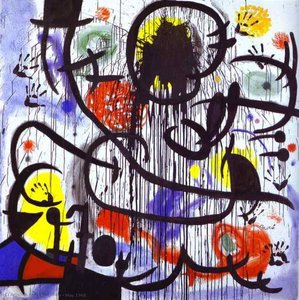
Mujer 4 by Joan Miró - Vibrant abstract painting featuring a red circle with yellow center and a Santa Claus hat.

Explore el mundo vibrante de Joan Miró (1893-1983), un pionero pintor, escultor y ceramista español. Descubre sus obras surrealistas y abstractas, el simbolismo catalán y su legado perdurable en el arte moderno. Visita las obras en Most-Famous-Paintings!

Giclée / Impresión de arte

Impresión giclée o en lienzo de calidad de museo con producción rápida y opciones de acabado flexibles.


P118B $10
P118H $10
P118W $10
P438Z $10
P508JH $12
P508YH $12
P805H $10
P805Z $10
P919BZ $10
P919G $10
P919XJ $10
P959ZH $10
P968JZ $12
W106C $8
W218G $10
W218JH $8
W218Y $10
W307PJ $10
W316G $10
W316PJ $8
W316Y $10
W398PJ $8
W4111J $10
W500HY $15
W500JH $15
W692G $12
W849H $8
W940BG $15
W953PJ $8

Standard
custom
CM
INCH

Elija entre nuestros tamaños predefinidos que respetan las proporciones originales de la obra.

ancho
altura

Puede introducir sus propias dimensiones para adaptarse a un marco o espacio específico. Si el tamaño seleccionado no coincide con las proporciones de la imagen original, recortaremos la obra de arte o extenderemos la imagen con un borde con efecto espejo o de color sólido. Se enviará una maqueta digital para su aprobación antes de que comience la producción.
Tenga en cuenta que la vista previa en pantalla no refleja el recorte o la extensión real. Solo la maqueta mostrará con precisión la composición final.
Aunque existen tamaños personalizados, recomendamos seleccionar una dimensión de la lista predefinida para preservar las proporciones originales.

Entrega mundial () en 2 semanas en lugar de las 4/5 semanas estándar. (23 julio)

why_choose_icon
Envío exprés gratuito a todo el mundo
why_choose_icon
Lienzo de lino de alta calidad
why_choose_icon
Seguro de envío total
why_choose_icon
Garantía de reembolso de impuestos aduaneros
why_choose_icon
Garantía de fidelidad de color
why_choose_icon
Política de devolución de 60 días (solo por defectos)
why_choose_icon
Garantía de devolución del 100% del dinero
why_choose_icon
Descuento por pedido múltiple

Precio total

-

reproduction

Mujer 4

Giclée / Impresión de arte

Tamaño de la reproducción

-

Precio total final

-

Datos clave

  • Movement: Surrealism
  • Notable elements or techniques: Circular composition; Symbolic imagery
  • Artist: Joan Miró
  • Influences: Gaudí
  • Artistic style: Abstract Expressionism
  • Location: Museo Nacional Centro de Arte Reina Sofía, Madrid
  • Year: 1937

Test de arte

Solo hay una respuesta correcta para cada pregunta.

Pregunta 1:
What is the predominant color featured prominently in Mujer 4?
Pregunta 2:
Joan Miró is known for his distinctive style characterized by:
Pregunta 3:
The painting incorporates elements inspired by Antoni Gaudí’s architectural designs, specifically:
Pregunta 4:
What symbolic element is represented in the figure wearing a hat?
Pregunta 5:
Which artistic technique contributes to the vibrant and textured appearance of Mujer 4?

Descripción de la obra

Joan Miró’s Mujer 4: A Catalan Dreamscape

A vibrant testament to Surrealist imagination and rooted in the artistic heritage of Barcelona, Joan Miró’s Mujer 4 (Woman 4) transcends mere visual representation, inviting viewers into a realm of subconscious symbolism and emotive resonance. Painted in 1967 during his prolific period, this artwork embodies Miró's signature style—a captivating blend of abstraction and recognizable imagery that simultaneously confronts and celebrates the complexities of human experience.

Style and Technique: Organic Abstraction

Miró’s technique is characterized by an organic abstraction that departs from traditional realism. He employs bold colors – predominantly reds, yellows, greens, and blues – applied with loose brushstrokes to create textured surfaces reminiscent of geological formations and botanical specimens. The artist eschews meticulous detail, prioritizing instead the conveyance of feeling and intuition. This deliberate disregard for precision aligns perfectly with Miró’s belief that art should capture “the essence” rather than merely imitating nature. He utilizes a palette knife extensively, layering pigments onto the canvas to achieve dramatic visual effects and imbue the artwork with palpable physicality.

Historical Context: Surrealism and Catalan Identity

Mujer 4 emerged from the crucible of Surrealist experimentation in Europe during the mid-20th century. Miró’s artistic vision was profoundly influenced by Sigmund Freud's psychoanalytic theories, which explored the power of dreams and unconscious desires to shape human behavior. Simultaneously, the painting reflects Miró’s deep connection to Catalonia—his birthplace—a region grappling with political tensions following Franco’s dictatorship. The stylized depiction of a woman, adorned with a hat bearing a green stripe – a subtle nod to Catalan heraldry – speaks to themes of resilience and cultural pride.

Symbolism: Recurring Motifs and Dreamlike Imagery

The artwork is replete with symbolic motifs that invite contemplation and interpretation. The central figure—a woman wearing a hat—represents femininity, but also embodies strength and determination. The hat itself carries significant meaning, referencing Catalan emblems and symbolizing protection from adversity. Scattered across the canvas are amorphous shapes reminiscent of celestial bodies and organic forms – mirroring Miró’s fascination with the cosmos and his belief in the interconnectedness of all things. These elements coalesce into a dreamlike landscape that captures the elusive beauty of subconscious thought.

Emotional Impact: A Celebration of Imagination

Ultimately, Mujer 4 succeeds in eliciting an emotional response from the viewer—a feeling of wonderment and contemplation. Its bold colors and textured surfaces stimulate the senses, transporting viewers to a realm beyond rational comprehension. The artwork’s inherent ambiguity encourages introspection and invites audiences to engage with their own inner landscapes. It serves as a powerful reminder that art can transcend literal representation, communicating profound truths about human psychology and cultural heritage—a timeless masterpiece destined to inspire generations of artists and collectors alike.

Biografía del artista

**vida temprana y carrera**

joan miró, un renombrado pintor, escultor y ceramista español, nació el 20 de abril de 1893 en Barcelona, España. Su familia, de raíces judías (marrano o converso), tuvo una influencia significativa en su vida temprana. El padre de Miró, Miquel Miró Adzerias, era orfebre y relojero, lo que pudo haber inspirado el interés del artista por los detalles intrincados.

**desarrollo artístico**

Miró comenzó clases de dibujo a los siete años en una escuela privada en Barcelona. Posteriormente, se matriculó en la Academia de Bellas Artes La Llotja, a pesar de la desaprobación de su padre. Esto marcó el comienzo del viaje artístico de Miró, que eventualmente lo llevaría a convertirse en pionero del surrealismo y el arte abstracto.

**obras notables y colaboraciones**

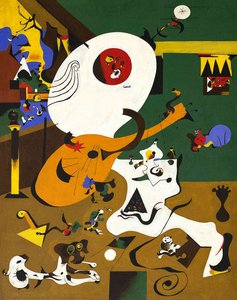
* la granja (1922), una pintura que muestra la transición de Miró a un estilo más individual, con cualidades nacionalistas. * Colaboración con Max Ernst en diseños para el ballet de Sergei Diaghilev en 1926, pionero en la técnica del grattage. * los interiores holandeses (1928), una serie de pinturas inspiradas en Hendrik Martenszoon Sorsh y Jan Steen, que muestra el estilo único de Miró.

**museos y legado**

* La Fundación Joan Miró en Barcelona, establecida en 1975, dedicada a mostrar las obras de Miró. * La Fundación Pilar i Joan Miró en Palma de Mallorca, establecida en 1981, que consolida aún más el legado de Miró.

**obras clave y su significado**

  • pintura (1933), una pintura al óleo abstracta, ejemplificando la visión surrealista de Miró.
  • pintura 11, otra obra notable y abstracta, que muestra el estilo único de Miró.
  • la mazorca (37 x 46 cm), una obra surrealista, que presenta detalles intrincados.
  • el nacimiento del día, una obra de arte abstracta, que consolida aún más las contribuciones de Miró al arte abstracto.

    **conclusión**

    El legado de Joan Miró como pionero del surrealismo y el arte abstracto es innegable. Sus obras, exhibidas en varios museos, incluida la Fundación Joan Miró, continúan inspirando a artistas y entusiastas del arte por igual. Para obtener más información sobre las obras de Miró, visite [https://Most-Famous-Paintings.com/@/joan-miro](https://Most-Famous-Paintings.com/@/joan-miro) o explore sus notables obras en [https://Most-Famous-Paintings.com/@@/8ewky5-joan-miro-painting](https://Most-Famous-Paintings.com/@@/8ewky5-joan-miro-painting).
    • ver más obras de Joan Miró en Most-Famous-Paintings.com
    • descubra el museo Fundación Joan Miró en Barcelona, España
    • explore la biografía del artista y sus obras notables en [https://en.wikipedia.org/wiki/joan_mir%c3%b3](https://en.wikipedia.org/wiki/joan_mir%c3%b3)
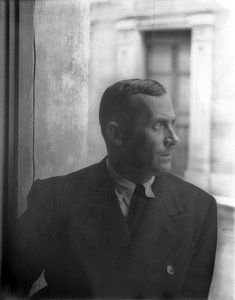
Joan Miró

Joan Miró

1893 - 1983 , España

Datos clave

  • Artistas Que Influyeron:
    • Vincent van Gogh
    • Paul Cézanne
  • Estilo Artístico: Surrealismo, Arte Abstracto
  • Fecha De Muerte: 1983
  • Fecha De Nacimiento: 20 de abril de 1893
  • Lugar De Nacimiento: Barcelona, España
  • Nacionalidad: Española
  • Nombre Completo: Joan Miró i Ferrà
  • Obras Notables:
    • La Granja
    • Interiores Holandeses
    • Pintura (1933)
    • El Nacimiento del Mundo
Explore obras de arte organizadas por temas, estilos y características.