


x

Impresiones giclée o en lienzo de calidad de museo con producción rápida y opciones de acabado flexibles. ( Encargar reproducción pintada a mano Comprar descarga)
Elija entre nuestros tamaños predefinidos que respetan las proporciones originales de la obra.

Puede introducir sus propias dimensiones para adaptarse a un marco o espacio específico. Si el tamaño seleccionado no coincide con las proporciones de la imagen original, recortaremos la obra de arte o extenderemos la imagen con un borde con efecto espejo o de color sólido. Se enviará una maqueta digital para su aprobación antes de que comience la producción.
Tenga en cuenta que la vista previa en pantalla no refleja el recorte o la extensión real. Solo la maqueta mostrará con precisión la composición final.
Aunque existen tamaños personalizados, recomendamos seleccionar una dimensión de la lista predefinida para preservar las proporciones originales.
Envío a todo el mundo () en 2 semanas en lugar de las 4/5 semanas estándar. (22 agosto)


La Siesta
Tamaño de la reproducción
Joaquín Sorolla y Bastida (1863 – 1923) stands as one of Spain's most celebrated Impressionists, a painter whose canvases capture the essence of Mediterranean life with unparalleled luminosity and immediacy. His oeuvre is defined by an obsession with capturing fleeting moments of sunlight filtering through foliage—a preoccupation that finds its purest expression in “La Siesta,” completed in 1911 during his family’s summer retreat to San Sebastián. More than just a picturesque depiction of leisure, this painting delves into the psychological landscape of domestic tranquility and embodies Sorolla's signature artistic vision.
Sorolla meticulously portrays a scene of serene repose – four women reclining on the grass beneath the shade of olive trees. These figures represent Sorolla’s wife, María Mercè Farreras, their two daughters, Julieta and Cristiana, and a cousin. The composition eschews grand vistas or dramatic narratives; instead, it focuses intently on the intimate details of everyday life. This deliberate choice reflects Sorolla's belief that true beauty resides in capturing the simplest pleasures and emotions—a sentiment powerfully conveyed through the languid postures of the women and their quiet contemplation.
Sorolla’s masterful technique is instantly recognizable. He employs rapid, loose brushstrokes – a hallmark of Impressionism – to achieve an astonishing effect of light and color. The artist abandons traditional perspective, flattening the canvas to heighten the sense of presence and immediacy. Notice particularly the vibrant emerald green of the grass, rendered with shimmering pigments that seem to vibrate with warmth. Sorolla’s palette is dominated by shades of yellow and ochre, mirroring the golden glow of the afternoon sun. These colors aren't merely descriptive; they are emotionally charged, evoking feelings of comfort, serenity, and nostalgia for summer days gone by. The artist skillfully blends color onto color, creating a hazy atmosphere that softens edges and enhances the overall impression of softness and tranquility.
“La Siesta” emerges from a pivotal period in Spanish history – the Belle Époque—a time marked by optimism, artistic experimentation, and burgeoning social reform. Sorolla’s work aligns perfectly with the broader Impressionist movement's rejection of academic conventions and embrace of subjective experience. He was influenced by artists like Claude Monet and Pierre-Auguste Renoir, who similarly sought to capture the fleeting beauty of nature and human emotion. However, Sorolla distinguishes himself through his unwavering commitment to portraying Spanish life authentically—a conscious effort to celebrate the nation’s cultural heritage while simultaneously engaging with new artistic ideas.
The pervasive luminescence of “La Siesta” is laden with symbolic significance. Light, for Sorolla, represents not merely illumination but also vitality and spiritual transcendence—themes central to his artistic philosophy. The dappled sunlight filtering through the olive trees symbolizes respite from labor and responsibility, fostering a state of blissful inactivity. Furthermore, the reclining posture of the women embodies vulnerability and acceptance – an invitation to pause, reflect, and savor the beauty of the present moment. Sorolla’s deliberate exclusion of the horizon reinforces this sense of enclosure and intimacy, drawing the viewer into the tranquil heart of the scene.
Ultimately, “La Siesta” succeeds in transporting the viewer to a place of profound peace and contentment. Sorolla's masterful rendering of light and color evokes feelings of warmth, nostalgia, and joy—a testament to his ability to capture not just what he saw but also what he felt. It’s a painting that speaks to our deepest desires for simplicity, beauty, and connection with nature—a timeless masterpiece that continues to resonate with audiences today.

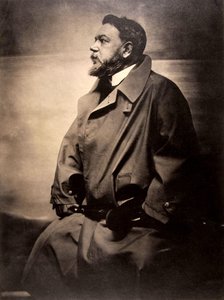
1863 - 1923 , España
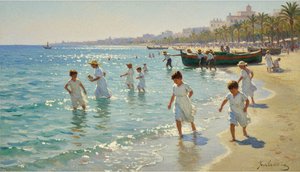
Explore the luminous world of Joaquín Sorolla, Spanish master of Impressionism. Discover his life, techniques & legacy – a guide for art collectors and enthusiasts. Invest in timeless beauty.

Explore the rich history of landscape art with Most-Famous-Paintings. Discover renowned artists, movements like Impressionism & Romanticism, and expert guidance for collecting timeless pieces. Find your perfect serene escape today!

Explore the rich history of landscape art with Most-Famous-Paintings. Discover renowned artists, movements like Impressionism & tonalism, and expert guidance for collecting timeless pieces. Find your perfect serene escape today!
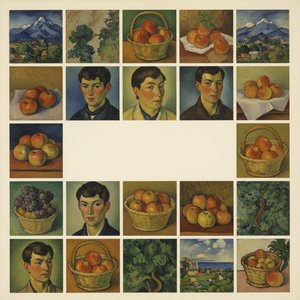
Descubre las 25 obras maestras de Paul Cézanne que revolucionaron el arte moderno. Explora su técnica, inspiración y significado en paisajes, bodegones y retratos. Reproducciones de alta calidad para decorar tu hogar con arte inolvidable. ¡Explora la colección completa en Most-Famous-Paintings.com!

Explore the captivating world of Manuel Benedito Vives, a celebrated Spanish painter influenced by Sorolla. Discover his masterful portraits, luminous landscapes & enduring legacy – a favorite of the Spanish Royal Family. Art collectors will appreciate this in-depth study.


Manténgase al día con las últimas noticias de arte, ofertas exclusivas e ideas de decoración.
Cuéntanos sobre tu proyecto y nuestros expertos en arte te ofrecerán 3 sugerencias de obras personalizadas.
Dejamos que nosotros seleccionemos 3 opciones exclusivas para ti – ¡Gratis!


 Vista previa
 Compartir
 Compartir
 Ver detalles

 Descargar
 Ver similares
 Radiografía
 Presentación de diapositivas


 Leer más




































 La opción de vidrio solo está disponible en tamaños inferiores a 110 cm.


