x

Impresiones giclée o en lienzo de calidad de museo con producción rápida y opciones de acabado flexibles. ( Encargar reproducción pintada a mano Comprar descarga)





























Elija entre nuestros tamaños predefinidos que respetan las proporciones originales de la obra.

Puede introducir sus propias dimensiones para adaptarse a un marco o espacio específico. Si el tamaño seleccionado no coincide con las proporciones de la imagen original, recortaremos la obra de arte o extenderemos la imagen con un borde con efecto espejo o de color sólido. Se enviará una maqueta digital para su aprobación antes de que comience la producción.
Tenga en cuenta que la vista previa en pantalla no refleja el recorte o la extensión real. Solo la maqueta mostrará con precisión la composición final.
Aunque existen tamaños personalizados, recomendamos seleccionar una dimensión de la lista predefinida para preservar las proporciones originales.
Envío a todo el mundo () en 2 semanas en lugar de las 4/5 semanas estándar. (15 agosto)


Llyn Ogwen
Tamaño de la reproducción
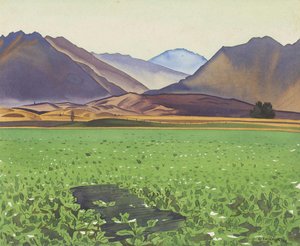
John Sell Cotman's "Llyn Ogwen," painted circa 1824, isn’t merely a depiction of a Welsh lake; it’s an immersion into the heart of Romantic sensibility. This watercolor, now meticulously reproduced for discerning collectors, captures not just a landscape but a profound mood – a quiet contemplation interwoven with the raw beauty and elemental power of Snowdonia National Park. Cotman, a pivotal figure in the Norwich School, eschewed grand historical narratives or idealized forms, instead focusing on translating the immediate impressions of nature onto paper with an unparalleled sensitivity to light and atmosphere.
The scene unfolds before us: Llyn Ogwen itself, a serene ribbon of water nestled amongst the towering peaks of Tryfan and Pen yr Ole Wen. The composition is deceptively simple – a foreground dominated by grazing cattle, reflecting in the still waters; a mid-distance showcasing the rugged slopes of the mountains; and a dramatic sky hinting at both brooding clouds and fleeting sunlight. Cotman’s genius lies not in precise detail but in his masterful use of *wash*—layers of diluted color applied with delicate brushstrokes to create an ethereal, almost dreamlike quality. Notice how he doesn't attempt to render every rock or blade of grass; instead, he suggests them through subtle tonal variations and carefully placed highlights, allowing the viewer’s imagination to complete the picture.
Cotman’s work is inextricably linked to the Norwich School, a movement that championed the unique character of the Norfolk countryside. Unlike many artists of his time preoccupied with classical ideals or grand historical scenes, Cotman sought to capture the immediate beauty and emotional resonance of the local landscape. This painting exemplifies this approach perfectly – it's not a romanticized idealization but a genuine observation imbued with a deep sense of connection to the natural world. The influence of J.M.W. Turner is palpable here; both artists shared a fascination with capturing fleeting moments of light and atmosphere, employing similar techniques of *plein air* painting and expressive brushwork.
The historical context surrounding "Llyn Ogwen" is equally compelling. Painted in the early 19th century, it reflects the burgeoning Romantic movement’s emphasis on emotion, imagination, and the sublime power of nature. The legend associated with Llyn Ogwen – the tale of Excalibur being cast into its depths by Sir Bedivere – adds a layer of mythic resonance to the scene, suggesting a connection between the landscape and ancient lore. The inclusion of cattle further grounds the image in everyday life, reminding us of the enduring relationship between humanity and nature.
Cotman’s technique is characterized by an extraordinary control over watercolor—a medium he elevated to new heights. He expertly manipulated the flow and transparency of the pigment, creating a remarkable sense of depth and atmosphere. The use of *dry brush* techniques adds texture and definition to the mountains, while washes of color evoke the shimmering light on the water’s surface. The composition itself is carefully balanced—the vertical thrust of the mountains contrasts with the horizontal flow of the lake, creating a dynamic visual harmony.
Beyond its technical brilliance, "Llyn Ogwen" is rich in symbolism. The lake represents tranquility and reflection, while the towering mountains embody strength and resilience. The cattle symbolize the connection between humanity and nature, suggesting a harmonious coexistence. The painting’s overall mood—a blend of serenity and drama—reflects the Romantic ideal of the sublime – an experience that evokes both awe and terror in the face of nature's grandeur.
A hand-painted reproduction of "Llyn Ogwen" offers a remarkable opportunity to bring this timeless masterpiece into your home or office. The meticulous attention to detail, combined with Cotman’s masterful use of color and light, ensures that the painting retains its emotional impact and visual beauty. Whether you're an art enthusiast, a collector seeking a statement piece, or simply someone who appreciates the evocative power of landscape art, this reproduction is sure to captivate and inspire.

John Sell Cotman fue un prominente artista inglés reconocido por sus pinturas marinas y de paisajes, grabados, ilustraciones y escritos. Nacido en una familia próspera de comerciantes de seda y distribuidores de encaje en Norwich, Inglaterra, demostró una aptitud artística temprana, recibiendo educación en la Escuela de Norwich. Su viaje artístico refleja una profunda conexión con el mundo natural y una dedicación a capturar su belleza con meticuloso detalle.
La formación artística formal de Cotman comenzó cuando se trasladó a Londres en 1798. Este movimiento resultó ser fundamental, presentándolo a artistas influyentes como J.M.W. Turner, Peter de Wint y Thomas Girtin. Se unió con entusiasmo al club de bocetos de Girtin, participando en excursiones a Gales y Surrey que moldearon significativamente su perspectiva artística. Su primera exposición en la Royal Academy se produjo en 1800, mostrando escenas de Surrey y Harlech Castle, marcando el comienzo de una prolífica carrera.
Cotman se convirtió en una figura destacada de la Escuela de Norwich de artistas, un grupo conocido por su enfoque en representar el campo norfolkiano y sus alrededores con realismo y sensibilidad. Su estilo se caracteriza por:
El legado artístico de Cotman se conserva en numerosas colecciones de todo el mundo. El Museo del Castillo y Galería de Arte de Norwich alberga la colección más extensa de su obra, con más de 2000 piezas. Sus pinturas también están representadas en instituciones prestigiosas como:
Algunas obras notables incluyen:
La influencia de John Sell Cotman se extendió más allá de sus propios logros artísticos. Jugó un papel crucial en la configuración del desarrollo del arte británico, particularmente dentro del movimiento de la Escuela de Norwich. Sus hijos, Miles Edmund Cotman y John Joseph Cotman, también siguieron carreras como pintores, contribuyendo al legado duradero de la familia en el mundo del arte.
Para obtener más información sobre la vida y la obra de John Sell Cotman, visite Most-Famous-Paintings.com o consulte su página de Wikipedia.

1782 - 1842 , Reino Unido

Descubre 10 acuarelas legendarias de Turner, Monet y Sargent que revolucionaron el arte. Explora la historia, técnica y belleza de estas obras maestras impresionistas y románticas. Reproducciones de museo en Most-Famous-Paintings.com.

Explore the captivating world of watercolor painting! Discover its rich history, essential techniques, influential artists & collecting tips. A comprehensive guide for art enthusiasts from Most-Famous-Paintings.

Descubre la fascinante historia de la acuarela, desde sus orígenes hasta su expresión contemporánea. Explora técnicas, artistas clave como Paul Klee y encuentra reproducciones de alta calidad en Most-Famous-Paintings.

Explore the captivating world of watercolor painting! Discover its rich history, essential techniques, influential artists & collecting tips from art experts. A comprehensive guide for enthusiasts.
Descubre los 10 paisajes más emblemáticos de la historia del arte, desde Monet a Van Gogh. Explora su significado, técnica y belleza atemporal. Encuentra reproducciones de alta calidad e inspira tu hogar con Most-Famous-Paintings.com.


Manténgase al día con las últimas noticias de arte, ofertas exclusivas e ideas de decoración.
Cuéntanos sobre tu proyecto y nuestros expertos en arte te ofrecerán 3 sugerencias de obras personalizadas.
Dejamos que nosotros seleccionemos 3 opciones exclusivas para ti – ¡Gratis!


 Vista previa
 Compartir
 Compartir
 Ver detalles

 Descargar
 Ver similares
 Radiografía
 Presentación de diapositivas


 Leer más







 La opción de vidrio solo está disponible en tamaños inferiores a 110 cm.