x

 Acrylic On CanvasWallArtBaroque
 1648
1648 120.0 x 98.0 cm
 Museo de Arte de Ponce
Óleo sobre lienzo pintado a mano en el tamaño y marco de su elección, realizado por encargo por nuestros artistas. ( Comprar impresión Comprar imagen)





























Elija entre nuestros tamaños predefinidos que respetan las proporciones originales de la obra.

Puede ingresar sus propias dimensiones para adaptarse a un marco o espacio específico. Si el tamaño seleccionado no coincide con las proporciones de la imagen original, recortaremos la obra o extenderemos la pintura con elementos adicionales pintados a mano. Se le enviará una maqueta digital para su aprobación antes de comenzar la producción.
Tenga en cuenta que la vista previa en pantalla no refleja el recorte o la extensión reales. Solo la maqueta mostrará con precisión la composición final.
Si bien existen tamaños personalizados, recomendamos seleccionar una dimensión de la lista predefinida para preservar las proporciones originales.
Envío a todo el mundo () en 3-4 semanas en lugar de las 5 semanas estándar. (12 agosto). Sin comprometer la calidad.


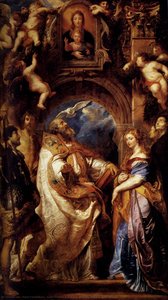
Saint Jerome Writing
Tamaño de la reproducción
Jusepe de Ribera’s “Saint Jerome Writing,” painted in 1648, isn't merely a portrait; it’s an immersion into the soul of a man wrestling with faith, intellect, and the relentless passage of time. The scene unfolds within a dimly lit study – a space deliberately shrouded in shadow, characteristic of Ribera’s masterful use of chiaroscuro, a technique that dramatically contrasts light and dark to create a powerful sense of drama and psychological depth. Before us sits Saint Jerome, not as a triumphant figure of religious iconography, but as a profoundly human individual, his brow furrowed in concentration, his hand poised over parchment, seemingly lost in the act of transcription. The painting immediately evokes a feeling of quiet contemplation, a profound solitude that speaks to the arduous task of translating scripture and the inner struggle inherent in spiritual devotion.

Ribera, a native of Xativa, Spain, forged an extraordinary career in Naples during the 17th century, becoming one of the most influential figures of the Neapolitan Baroque. His style—often described as “tenebrist”—was deeply rooted in Caravaggio’s innovations, yet Ribera developed his own distinct voice, characterized by a raw, unflinching realism and an intense emotionality. He wasn't interested in idealized beauty or polished surfaces; instead, he sought to capture the essence of human experience – its vulnerability, its struggles, and its moments of profound insight. The painting’s composition is deliberately austere, focusing entirely on Jerome and his immediate surroundings, amplifying the sense of introspection.
Born in 1591 and dying in 1652, Ribera's life was marked by both artistic triumph and personal hardship. He endured periods of poverty, illness, and even accusations of heresy, yet he consistently produced works of extraordinary power and beauty. His dedication to portraying the human condition with unflinching honesty cemented his legacy as a master of Baroque painting.
Beyond the immediate depiction of Saint Jerome, the painting is rich in symbolic meaning. The scriptorium itself—a space traditionally associated with learning, wisdom, and divine inspiration—underscores the importance of intellectual pursuit within a religious context. The muted colors, dominated by browns, ochres, and deep reds, contribute to the overall atmosphere of solemnity and contemplation. Notice how Ribera uses light not as a source of illumination but as a tool for dramatic effect, highlighting Jerome’s face and hands while leaving much of the background in shadow. This technique emphasizes his inner world—his thoughts, his struggles, and his unwavering commitment to his task.
The two books flanking the table are not merely props; they represent the Bible itself – the source of Jerome's work and the foundation of his faith. The quill pen symbolizes the act of writing, not just as a physical action but as a process of spiritual transformation. The very posture of the saint—his hunched shoulders, his furrowed brow—suggests the weight of responsibility and the intensity of his devotion.
“Saint Jerome Writing” transcends its religious subject matter to offer a universal meditation on human experience. It’s a poignant portrayal of a man grappling with doubt, seeking solace in faith, and striving for understanding in the face of an uncertain world. Ribera's masterful use of light, shadow, and composition creates a deeply moving image that continues to resonate with viewers centuries after its creation. It is a testament to the enduring power of art to capture the complexities of the human spirit—a reminder that even in solitude and contemplation, we are connected by our shared struggles and aspirations.

Jusepe de Ribera, también conocido como Lo Spagnoletto ("El Españolecito"), fue una figura clave en la pintura barroca española. Nacido en Valencia, España, en 1591, se hizo famoso por sus representaciones dramáticas e intensamente realistas de temas religiosos, martirios, retratos, bodegones y paisajes. Su carrera abarcó tanto España como Italia, siendo Nápoles su principal base artística durante gran parte de su vida.
Los detalles tempranos de la vida de Ribera siguen siendo algo oscuros. Se cree que inicialmente se formó en Valencia antes de trasladarse a Italia alrededor de 1607. Su tiempo en Roma lo expuso a las obras de Caravaggio y Guido Reni, influyendo profundamente en su desarrollo artístico. Ribera absorbió el uso dramático de la luz y la sombra pionero por Caravaggio (tenebrismo) mientras incorporaba elementos de composición clásica de artistas como Reni. Esta síntesis resultó en un estilo único caracterizado por una intensa emotividad, un realismo austero y poderosas narrativas.
El legado artístico de Ribera se basa en una serie de obras convincentes que ejemplifican la estética barroca. Algunas de sus pinturas más celebradas incluyen:
Su estilo es inmediatamente reconocible a través de:
La carrera de Ribera se puede dividir ampliamente en dos fases. Su trabajo anterior, fuertemente influenciado por Caravaggio, se caracteriza por un realismo más austero y un uso más dramático del tenebrismo. Más adelante en su carrera, particularmente después de establecerse permanentemente en Nápoles, su estilo evolucionó para incorporar colores más ricos, una iluminación más suave y composiciones más complejas. Si bien mantuvo los elementos centrales de su estética barroca, sus obras posteriores demuestran un mayor grado de refinamiento.
La influencia de Ribera se extendió más allá de España, impactando a artistas en toda Europa. Su innovador uso del tenebrismo y su realismo implacable establecieron un nuevo estándar para la pintura religiosa. Artistas como José de Ribera (un artista posterior influenciado por Jusepe) exploraron aún más estas técnicas. Hoy en día, las obras de Ribera se encuentran en prestigiosos museos de todo el mundo, incluido el Museo del Prado en España, la Galería Nacional de Arte en Washington D.C., y numerosas instituciones en Europa.
Jusepe de Ribera es una figura central en el arte barroco español, junto con Francisco de Zurbarán, Bartolomé Esteban Murillo y Diego Velázquez. Sus contribuciones al desarrollo del tenebrismo son innegables, y sus poderosas representaciones de temas religiosos continúan resonando con el público hoy en día. La colección de Most-Famous-Paintings ofrece una visión general completa de su producción artística, permitiendo a los espectadores apreciar la totalidad de su talento y su legado perdurable.

1591 - 1652 , España

Explore the profound elegance of Baroque Classicism. Discover how 17th-century masters synthesized dramatic emotion with classical order through the lens of the Counter-Reformation and the works of legends like Carlo Maratta and Andrea Sacchi.

Explore the dramatic power of Baroque art. Discover how masters like Caravaggio used chiaroscuro and light to redefine emotion, history, and faith through a definitive guide for art enthusiasts and collectors.

Explore the profound drama of 17th-century Baroque art. Discover how masters used chiaroscuro, movement, and emotional intensity to redefine history through the lens of the Counter-Reformation. An expert guide for art historians and collectors seeking deep cultural insight.

Explore the dramatic evolution from Mannerist distortion to Baroque grandeur. Discover how light, shadow, and emotion redefined art history through a masterclass in technical mastery and religious fervor.

Explore the profound differences between Baroque drama and Rococo elegance. Our expert guide delves into art history, chiaroscuro, and the evolution of European masterpieces for collectors and enthusiasts seeking deep historical context.


Manténgase al día con las últimas noticias de arte, ofertas exclusivas e ideas de decoración.
Cuéntanos sobre tu proyecto y nuestros expertos en arte te ofrecerán 3 sugerencias de obras personalizadas.
Dejamos que nosotros seleccionemos 3 opciones exclusivas para ti – ¡Gratis!


 Vista previa
 Compartir
 Compartir
 Ver detalles

 Descargar
 Ver similares
 Radiografía
 Presentación de diapositivas
 Leer más







 La opción de vidrio solo está disponible en tamaños inferiores a 110 cm.