x


 Acrylic On CanvasWallArtNaive Art / Primitivism
 1963
1963 32.0 x 24.0 cm
Óleo sobre lienzo pintado a mano en el tamaño y marco de su elección, realizado por encargo por nuestros artistas. ( Switch to Print Switch to Image)





























Elija entre nuestros tamaños predefinidos que respetan las proporciones originales de la obra.

Puede ingresar sus propias dimensiones para adaptarse a un marco o espacio específico. Si el tamaño seleccionado no coincide con las proporciones de la imagen original, recortaremos la obra o extenderemos la pintura con elementos adicionales pintados a mano. Se le enviará una maqueta digital para su aprobación antes de comenzar la producción.
Tenga en cuenta que la vista previa en pantalla no refleja el recorte o la extensión reales. Solo la maqueta mostrará con precisión la composición final.
Si bien existen tamaños personalizados, recomendamos seleccionar una dimensión de la lista predefinida para preservar las proporciones originales.
Entrega mundial () en 3-4 semanas en lugar de las 5 semanas estándar. (29 julio). Sin compromisos con la calidad.


Acrobatics
Tamaño de la reproducción
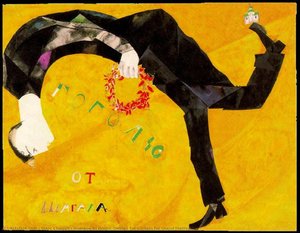
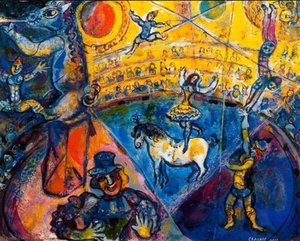
Marc Chagall’s “Acrobatics,” completed in 1963, stands as a testament to the artist's enduring fascination with dreams, memory, and the fantastical realm of childhood. Painted in Naïve Art style—a movement characterized by its rejection of academic conventions and embrace of childlike spontaneity—the canvas captures a moment suspended between earthly constraints and boundless aspiration.
Unlike Impressionism or Cubism, which sought to dissect reality into fragmented perspectives, Chagall’s approach prioritizes emotional expression over meticulous representation. Thickly applied paint—a hallmark of Naïve Art—creates a textured surface that pulsates with color and conveys an immediacy rarely achieved in more polished artistic styles. The artist eschews linear perspective, opting instead for flattened planes that heighten the sense of illusion and invite viewers into Chagall’s subjective experience.
"Acrobatics" is deeply rooted in Chagall's formative years spent in Vitebsk, Belarus—a town that served as a constant source of inspiration throughout his prolific career. The painting reflects the cultural landscape of Vitebsk during the period, where Jewish and Orthodox traditions intertwined, shaping artistic sensibilities. Furthermore, it emerged against the backdrop of Soviet repression following World War II, when Chagall faced censorship and endured personal hardship—experiences that undoubtedly informed the artwork’s melancholic undertones.
The composition is replete with symbolic imagery typical of Chagall's oeuvre. Dominating the scene are figures engaged in acrobatic maneuvers, representing a defiance of gravity and an upward striving for transcendence—themes central to Jewish mysticism and Chagall’s broader artistic vision. Surrounding these dancers are stylized flowers—particularly lilies—which symbolize purity and resurrection—references to biblical narratives and Chagall's own spiritual beliefs. The inclusion of a clock and vase adds layers of meaning, prompting contemplation on time, mortality, and the beauty of nature.
"Acrobatics" resonates with viewers not merely as an aesthetically pleasing artwork but also as a conduit to Chagall's innermost feelings. The painting evokes a sense of wonderment mingled with sadness—a poignant reminder of the passage of time and the fragility of human existence. Yet, its vibrant colors and dynamic movement instill optimism and convey a conviction that beauty persists even amidst adversity—a message conveyed powerfully by Chagall’s masterful manipulation of color and form.
This captivating artwork exemplifies Chagall’s unparalleled ability to transform personal experience into universal symbolism—a legacy that continues to inspire artists and collectors worldwide.

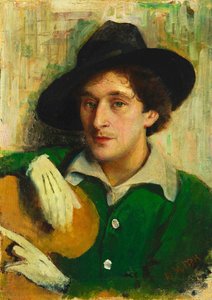
1887 - 1985 , belarus


Manténgase al día con las últimas noticias de arte, ofertas exclusivas e ideas de decoración.
Cuéntanos sobre tu proyecto y nuestros expertos en arte te ofrecerán 3 sugerencias de obras personalizadas.
Permítenos seleccionar 3 opciones solo para ti – ¡Gratis!


 Preview
 Enviar
 Compartir
 Detalles

 Descargar
 Similares
 Radiografía
 Presentación de diapositivas
 Ver más







 La opción de vidrio solo está disponible en tamaños inferiores a 110 cm.