Vende tu arte
Lista de deseos Carrito de compras Cart
x
Vista previaVista previa Vista previa en RAVista previa en RA Encargar reproducción pintada a mano Encargar reproducción pintada a manoComprar descarga Comprar descarga CompartirCompartir
Ver detallesVer detalles Añadir a favoritos Añadir a favoritos DescargarDescargar Ver similaresVer similares RadiografíaRadiografía Presentación de diapositivasPresentación de diapositivas

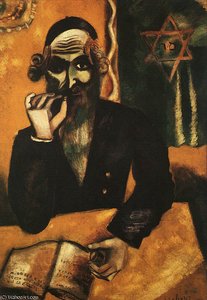
Cemetery Gates

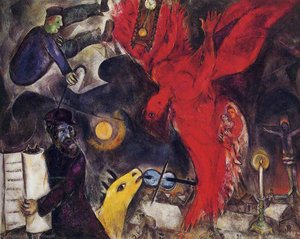
Cemetery Gates by Marc Chagall - Large oil on canvas featuring Hebrew writing and symbolic arches; inspired by Jewish culture and cubist principles.

Descubre a Marc Chagall (1887-1985): artista ruso-francés famoso por sus vibrantes pinturas cubistas y simbolistas, temas del folclore judío y impresionantes vidrieras. ¡Explora su legado! #MarcChagall

Giclée / Impresión de arte

Impresiones giclée o en lienzo de calidad de museo con producción rápida y opciones de acabado flexibles. (Encargar reproducción pintada a mano Encargar reproducción pintada a manoComprar descarga Comprar descarga)

P118B $10
P118H $10
P118W $10
P438Z $10
P508JH $12
P508YH $12
P805H $10
P805Z $10
P919BZ $10
P919G $10
P919XJ $10
P959ZH $10
P968JZ $12
W106C $8
W218G $10
W218JH $8
W218Y $10
W307PJ $10
W316G $10
W316PJ $8
W316Y $10
W398PJ $8
W4111J $10
W500HY $15
W500JH $15
W692G $12
W849H $8
W940BG $15
W953PJ $8

Standard
custom
CM
INCH

Elija entre nuestros tamaños predefinidos que respetan las proporciones originales de la obra.

ancho
altura

Puede introducir sus propias dimensiones para adaptarse a un marco o espacio específico. Si el tamaño seleccionado no coincide con las proporciones de la imagen original, recortaremos la obra de arte o extenderemos la imagen con un borde con efecto espejo o de color sólido. Se enviará una maqueta digital para su aprobación antes de que comience la producción.
Tenga en cuenta que la vista previa en pantalla no refleja el recorte o la extensión real. Solo la maqueta mostrará con precisión la composición final.
Aunque existen tamaños personalizados, recomendamos seleccionar una dimensión de la lista predefinida para preservar las proporciones originales.

Envío a todo el mundo () en 2 semanas en lugar de las 4/5 semanas estándar. (14 agosto)

why_choose_icon
Envío exprés gratuito a todo el mundo
why_choose_icon
Lienzo de lino de alta calidad
why_choose_icon
Seguro de envío completo
why_choose_icon
Garantía de reembolso de aranceles aduaneros
why_choose_icon
Garantía de fidelidad cromática exacta
why_choose_icon
Política de devolución de 60 días (solo por defectos)
why_choose_icon
Garantía de devolución del 100% del dinero
why_choose_icon
Oferta por volumen

Precio total

$ 68

reproduction

Cemetery Gates

Giclée / Impresión de arte

Tamaño de la reproducción

-

Precio total

$ 68

Datos clave

  • Artistic style: Surrealist
  • Artist: Marc Chagall
  • Location: Private Collection
  • Year: 1917
  • Movement: Cubism
  • Title: Cemetery Gates
  • Subject or theme: Jewish culture

Cuestionario de arte

Cada pregunta tiene una única respuesta correcta.

Pregunta 1:
What is the title of Marc Chagall's painting?
Pregunta 2:
The painting depicts a gate adorned with Hebrew writing. What does this suggest about its inspiration?
Pregunta 3:
Which artistic movement is most evident in Chagall's use of bold lines and geometric shapes?
Pregunta 4:
What prominent element contributes to the depth and dimension of the painting's composition?
Pregunta 5:
Marc Chagall’s artistic vision was heavily influenced by his childhood memories and folklore. Where did he spend most of his formative years?

Descripción de la pieza

Marc Chagall’s “Cemetery Gates”: A Symphony of Memory and Myth

The painting "Cemetery Gates" by Marc Chagall isn't merely an image; it’s a portal into the artist’s subconscious, a distillation of his formative years spent amidst the vibrant tapestry of Vitebsk’s Jewish community. Completed in 1917 during a period marked by profound upheaval – the Russian Revolution reshaping Europe – Chagall’s work transcends its immediate historical context to explore universal themes of loss, faith, and the enduring power of dreams. It stands as a testament to his singular ability to transform personal experience into breathtaking visual poetry.

Style and Technique: Cubist Influences Embraced

Chagall's style is famously difficult to define precisely, yet "Cemetery Gates" reveals unmistakable connections to Cubism and Surrealism. While eschewing strict geometric precision characteristic of Picasso and Braque, Chagall employs fractured planes and overlapping perspectives—a technique borrowed from the avant-garde movements—to create a dynamic sense of spatial ambiguity. This deliberate distortion isn’t aimless; it serves to convey an emotional truth that transcends literal representation. Thick impasto – heavily textured paint application – dominates the canvas, lending physicality to the ethereal figures and animating the landscape with palpable energy. The artist utilizes bold color palettes—primarily yellows, blues, and reds—to heighten visual impact and imbue the scene with a sense of dramatic intensity.

Historical Context: Vitebsk Under Siege

The painting’s genesis lies in Vitebsk, Belarus, which was embroiled in escalating tensions between Bolshevik revolutionaries and Orthodox Christians as Chagall prepared for Passover celebrations. The looming threat of violence fueled Chagall's imagination, prompting him to confront anxieties about mortality and the fragility of existence. He famously recounted that he envisioned a gate—a symbol of transition and remembrance—with Hebrew inscriptions, reflecting his deep spiritual convictions. This imagery resonated powerfully with Vitebsk’s Jewish population, who were grappling with uncertainty and facing imminent danger from advancing Red Army forces. Chagall's decision to depict this scene wasn’t simply an artistic impulse; it was a courageous assertion of identity in the face of political repression.

Symbolism: Recurring Motifs Reflect Inner Landscape

“Cemetery Gates” is replete with symbolic elements that illuminate Chagall’s psychological landscape. The gate itself represents both death and rebirth, embodying the cyclical nature of life and the inevitability of loss. Above the gate soar stylized birds—a motif frequently appearing in Chagall's oeuvre—symbolizing aspiration, freedom, and spiritual transcendence. Beneath the gate stretches a desolate landscape populated by trees bearing fruit – representing fertility and resilience amidst hardship. The figures depicted within the painting are rendered in fantastical proportions, reflecting Chagall’s preoccupation with dreamlike imagery and blurring the boundaries between reality and imagination. Notably, Chagall included himself amongst the figures, emphasizing his own role as witness to both personal trauma and artistic creation.

Emotional Impact: A Balm for Grief

Ultimately, “Cemetery Gates” transcends its historical circumstances to offer a profound meditation on grief and remembrance. Despite its depiction of death—a subject fraught with anxiety—the painting exudes an atmosphere of serenity and hope. Chagall’s masterful use of color and texture evokes feelings of warmth, compassion, and spiritual solace. The luminous hues bathe the scene in an ethereal glow, conveying a sense of timeless beauty that transcends temporal concerns. Viewing “Cemetery Gates” is akin to embarking on a journey into the artist's soul—a pilgrimage toward understanding the complexities of human experience and acknowledging the enduring legacy of memory. It remains a powerfully evocative masterpiece, continuing to inspire audiences worldwide with its haunting grandeur and unwavering conviction in the transformative power of art.

Biografía del artista

Marc Chagall: Una Vida en Color e Imaginación

Primeros Años e Influencias

  • Nacimiento y Origen: Marc Zakharovich Chagall nació el 6 de julio de 1887 (O.S. 24 de junio) en Liozna, cerca de Vitebsk, Bielorrusia, dentro de una familia judía hasidica.
  • El Impacto de Vitebsk: Su infancia en Vitebsk, conocida como la “Toledo rusa”, moldeó profundamente su visión artística. La ciudad, con su mezcla única de culturas y su pintoresco paisaje – iglesias, sinagogas, bulliciosos mercados – se convirtió en motivos recurrentes en su obra.
  • Tendencia Artística Temprana: A pesar de los modestos recursos de su familia, Chagall mostró un talento temprano para el arte, aprendiendo inicialmente de un pintor de letreros local antes de seguir una formación formal.

Desarrollo Artístico y Estilo

  • Formación Temprana: Estudió en San Petersburgo con Léon Bakst y más tarde en París en la Academia de la Grande Chaumière, donde se encontró con movimientos vanguardistas.
  • Fusión de Estilos: El estilo de Chagall es una síntesis única de diversas influencias. Absorbió elementos del Cubismo, el Simbolismo y el Fauvismo, pero nunca se adhirió por completo a un solo movimiento, forjando su propio camino distintivo.
  • Características Clave: Su obra se caracteriza por colores vibrantes, imágenes oníricas, criaturas fantásticas y una sensación de nostalgia por su infancia en Vitebsk. A menudo presenta figuras flotantes, perspectivas distorsionadas y representaciones simbólicas.

Obras Maestras y Logros

  • Maestros Tempranos: Pinturas como “Yo y el Pueblo” (1911) demuestran su exploración temprana de la memoria, la identidad y la relación entre el individuo y la comunidad.
  • Revolución Rusa y Regreso a Vitebsk: Después de la Revolución Rusa, Chagall regresó a Vitebsk y se involucró en iniciativas culturales, estableciendo una escuela de arte. Sin embargo, pronto se desilusionó con las restricciones impuestas por el nuevo régimen.
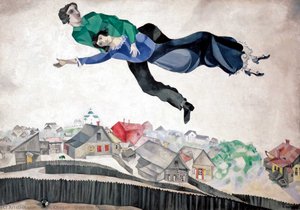
  • Reconocimiento Internacional: Eventualmente dejó Rusia y se estableció en Francia, donde su carrera floreció. Obras notables de este período incluyen “Sobre Vitebsk” (1920-1922) y numerosas pinturas inspiradas en las historias bíblicas como “El Sueño de Jacob.”
  • Comisiones Tardías: Chagall recibió importantes comisiones más tarde en la vida, incluyendo el techo del Opera de París (1964), vidrieras para el sinagoga del Hospital Hebreo Hadassah en Jerusalén y la Catedral de Reims.

Influencias y Legado

  • Influencias Artísticas: Fue influenciado por artistas como Vladimir Lukich Borovikovsky, cuyo retrato admiraba, así como por las corrientes más amplias del modernismo temprano.
  • Impacto en Artistas Posteriores: El trabajo de Chagall ha inspirado a generaciones de artistas con su calidad lírica, profundidad emocional y poder imaginativo. Su influencia se puede ver en el Surrealismo y otros movimientos que adoptaron la fantasía y el simbolismo.
  • Significado Histórico: Se considera uno de los personajes más importantes del arte del siglo XX, conectando el modernismo europeo con la identidad cultural judía. Su capacidad para sintetizar la experiencia personal, las leyendas y los temas universales continúa resonando entre audiencias en todo el mundo.
  • El “Artista Judío Quintesencial”: Chagall es a menudo llamado el “artista judío quintesencial del siglo XX” debido a su exploración frecuente de temas, tradiciones y experiencias judías en su arte.

Muerte y Remembrance

  • Últimos Años: Marc Chagall continuó pintando y creando hasta su muerte el 28 de marzo de 1985, a la edad de 97 años, en Saint-Paul-de-Vence, Francia.
  • Legado Duradero: Su obra se exhibe en importantes museos alrededor del mundo, asegurando que su visión vibrante e imaginativa continúe inspirando y cautivando a los amantes del arte por generaciones venideras.
Marc Chagall

Marc Chagall

1887 - 1985 , belarus

Datos clave

  • Artistas Influenciados: ['Surrealismo']
  • Artistas Que Influyeron: ['Vladimir Lukich Borovikovsky']
  • Fecha De Muerte: 28 de marzo de 1985
  • Fecha De Nacimiento: 6 de julio de 1887
  • Lugar De Nacimiento: Liozna, Bielorrusia
  • Movimiento Artístico:
    • Cubismo
    • Simbolismo
    • Fauvismo
  • Nacionalidad: Ruso-Francés
  • Nombre Completo: Marc Chagall (Moishe Shagal)
  • Obras Notables:
    • Yo y el Pueblo
    • Sobre Vitebsk
    • El Sueño de Jacob
    • Liberación
    • La Promenada
    • Recién casados con París
    • Pliushkin trata a Tchtchikov
    • Bajo la nieve
    • En el cielo sobre la Ópera
    • La Mujer y las Rosas
    • El pintor alado
    • Pareja sobre un Fondo Rojo
    • José ha sido reconocido
Explore obras de arte organizadas por temas, estilos y características.