


x

Óleo sobre lienzo pintado a mano en el tamaño y marco de su elección, realizado por encargo por nuestros artistas. ( Pedir impresión Comprar descarga)





























Elija entre nuestros tamaños predefinidos que respetan las proporciones originales de la obra.

Puede ingresar sus propias dimensiones para adaptarse a un marco o espacio específico. Si el tamaño seleccionado no coincide con las proporciones de la imagen original, recortaremos la obra o extenderemos la pintura con elementos adicionales pintados a mano. Se le enviará una maqueta digital para su aprobación antes de comenzar la producción.
Tenga en cuenta que la vista previa en pantalla no refleja el recorte o la extensión reales. Solo la maqueta mostrará con precisión la composición final.
Si bien existen tamaños personalizados, recomendamos seleccionar una dimensión de la lista predefinida para preservar las proporciones originales.
Envío a todo el mundo () en 3-4 semanas en lugar de las 5 semanas estándar. (22 agosto). Sin comprometer la calidad.


No.19
Tamaño de la reproducción
To stand before Mark Rothko's No. 37/No. 19 is to enter a profound, silent dialogue with the infinite. Painted in 1958, this monumental work stands as a cornerstone of Abstract Expressionism, a movement that irrevocably altered the landscape of American art. More than just pigment on canvas, this piece embodies a deep exploration of the human experience, inviting viewers into a meditative contemplation of color and form. Its enduring appeal lies in its ability to bypass intellectual analysis and speak directly to the subconscious mind, offering a sanctuary of pure emotion in an increasingly chaotic world.
The genesis of this work lies in Rothko’s distinctive approach, often described as “condensation.” Rejecting representational imagery altogether, Rothko employs large rectangular blocks of color layered upon one another to create an illusion of depth and luminosity that defies conventional perspective. In this particular instance, the artist utilizes a sophisticated palette of slate blue and brown overlaid with rich, plum hues. Through a meticulous technique of applying thin washes of pigment followed by thicker coats, he achieves subtle gradations of tone, resulting in a velvety surface texture that seems to breathe. Every brushstroke is controlled, prioritizing tonal harmony over precise delineation to create a sense of weightless suspension.
The late 1950s were a period of intense artistic experimentation, fueled by the global anxieties following World War II and a burgeoning interest in psychoanalysis. Artists like Rothko sought to grapple with existential questions—the nature of consciousness, the fear of mortality, and the search for spiritual solace—through non-figurative forms. Influenced by Zen Buddhism and Eastern philosophy, Rothko aimed to evoke feelings rather than convey narratives. He believed that color could communicate the most fundamental human emotions—grief, ecstasy, and doom—in a way that words simply could not.
This painting serves as a portal to these inner landscapes. For the collector or the interior designer, No. 37/No. 19 offers more than mere decoration; it provides an atmospheric anchor. The way the colors bleed into one another creates a rhythmic, breathing quality that can transform a space into a place of quiet reflection. Whether placed in a contemporary gallery setting or a sophisticated private residence, the work commands attention through its hushed intensity and gravitational pull.
For those seeking to bring the profound impact of Abstract Expressionism into their personal environments, a high-quality reproduction of this masterpiece offers an unparalleled opportunity. The visual depth achieved in Rothko's work is a testament to his mastery of the Color Field style. Owning a piece that captures this specific interplay of plum, slate, and brown allows for a continuous engagement with the sublime.
When considering such a significant work for a collection or an interior design project, one must appreciate the following elements:
In an age of fleeting digital imagery, the tactile and emotive power of a Rothko-inspired work remains a constant, providing a sense of permanence and spiritual weight to any curated space.
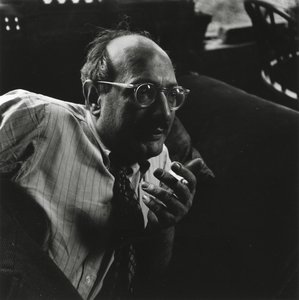
1903 - 1970 , Letonia

Explore the profound emotional depth of Color Field painting. Discover the history of mid-century abstraction, from Rothko to Newman, and learn how pure color transforms the viewer's experience through our expert art history guide.

Explore the profound history and emotional depth of Color Field painting. From Mark Rothko to Barnett Newman, discover how pure color redefined modern art through our expert-led guide for students and collectors alike.
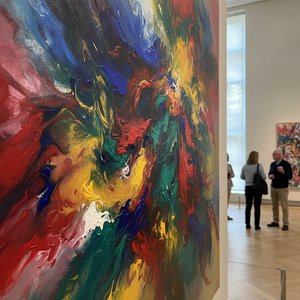
Explore the profound emotional depth of Lyrical Abstraction. Discover how masters like Raymond Parker used color and form to bridge Impressionism and Abstract Expressionism. Learn about this pivotal movement through our expert-led art history guide.

Explore the profound history and emotional depth of Abstract Expressionism. From Jackson Pollock to Mark Rothko, master the nuances of the New York School through our expert art history guide. Discover museum-quality hand-painted reproductions for your collection.


Manténgase al día con las últimas noticias de arte, ofertas exclusivas e ideas de decoración.
Cuéntanos sobre tu proyecto y nuestros expertos en arte te ofrecerán 3 sugerencias de obras personalizadas.
Dejamos que nosotros seleccionemos 3 opciones exclusivas para ti – ¡Gratis!


 Vista previa
 Compartir
 Compartir
 Ver detalles

 Descargar
 Ver similares
 Radiografía
 Presentación de diapositivas

 Leer más







 La opción de vidrio solo está disponible en tamaños inferiores a 110 cm.


