


x

Adquiera una imagen digital de alta resolución y optimizada, muy superior a la vista previa en línea.
Cada archivo es preparado meticulosamente por nuestros especialistas internos mediante el uso de herramientas avanzadas y un experto retoque manual. Nos aseguramos de que cada imagen posea una claridad excepcional, una precisión cromática impecable y un detalle minucioso.
El archivo final se entrega por correo electrónico en un plazo de 72 horas, optimizado para su uso inmediato en entornos profesionales, editoriales y de impresión. Esta es la misma calidad en la que confían los estudios de diseño, las editoriales y las galerías de primer nivel.
Descarga un archivo de alta resolución para exhibición personal, impresión y proyectos creativos. ( Pedir impresión Encargar reproducción pintada a mano)
Al elegir Most-Famous-Paintings.com, no solo está adquiriendo una imagen; está recibiendo una obra de arte digital mejorada profesionalmente, elaborada con precisión y respaldada por una garantía de satisfacción. Esto es todo lo que incluye su pedido, automáticamente:

Recibirá su archivo de imagen digital en alta resolución por correo electrónico en un plazo de 72 horas tras realizar su pedido, listo para su uso inmediato.

Su obra de arte se optimiza profesionalmente mediante herramientas avanzadas de IA y edición manual, garantizando el máximo detalle, claridad y precisión cromática.

¿Has borrado o perdido tu archivo por error? No te preocupes: te lo volveremos a enviar en cualquier momento, sin coste adicional.

Disfrute de su obra de arte al instante sin aduanas, aranceles ni gastos de envío; las descargas digitales siempre están libres de impuestos.

Garantizamos que su imagen digital refleje los colores originales con la mayor fidelidad posible, mediante el uso de herramientas profesionales y gestión del color.

Si no está satisfecho con su imagen digital, la revisaremos o le reembolsaremos el 100% en un plazo de 60 días, sin preguntas.

¿No está satisfecho? Obtenga un reembolso completo dentro de los 60 días posteriores a la recepción de su archivo digital, sin necesidad de explicaciones.

Compra 3 imágenes, ahorra 10% - Compra 5, ahorra 15% - Compra 10+, ahorra 20%. Ideal para proyectos creativos, galerías y agencias.
Mark Rothko (1903 – 1970), born Markus Yakovlevich Rothkowitz in Dvinsk, Latvia, embodies the profound anxieties of a Jewish family grappling with displacement. His formative years were steeped in the uncertainties surrounding pogroms and political instability within the Pale of Settlement, fostering an acute awareness of human suffering—a preoccupation that would permeate his artistic output.
The 1913 emigration to Portland, Oregon, marked not merely a geographical relocation but a significant cultural transformation for Rothko. Amidst his father’s intellectual home brimming with spirited discussions and scholarly pursuits, the untimely death of Jacob Rothkowitz introduced an inescapable element of grief into young Markus's life—a formative experience that instilled a lifelong fascination with themes of loss and trauma.
Rothko’s artistic breakthrough arrived in New York City during the mid-1930s, where he embraced Color Field painting – a revolutionary approach championed by artists like Barnett Newman and Helen Frankenthaler. Unlike traditional representational art that meticulously depicts objects or figures, Color Field painting prioritizes expansive blocks of color as its primary expressive element.
Rothko’s canvases eschew detailed imagery altogether, opting instead for layered rectangles of pigment—typically shades of red, orange, yellow, and blue—that bleed into one another. This technique deliberately obscures boundaries between hues, creating an immersive experience for the viewer that transcends visual perception.
The creation of Rothko’s monumental paintings involved a painstaking process of layering thin sheets of canvas with diluted pigment—often applied by hand using brushes or rollers. This meticulous application resulted in subtle textural variations within each rectangle, adding depth and complexity to the overall composition.
Rothko meticulously controlled every aspect of his technique, striving for an almost meditative state as he worked. He believed that color itself possessed inherent emotional power—that it could communicate feelings directly without resorting to explicit symbolism or narrative.
Rothko’s work emerged during the postwar period, coinciding with a surge of existentialist thought – championed by philosophers like Jean-Paul Sartre and Albert Camus. These thinkers questioned traditional notions of morality and purpose, emphasizing individual responsibility and confronting the inevitability of death.
Rothko responded to these intellectual currents by exploring themes of spirituality and transcendence—attempting to capture the elusive essence of human experience beyond rational comprehension. His paintings evoke a sense of profound melancholy yet simultaneously convey an aspiration for beauty and illumination – mirroring the anxieties and hopes of a generation grappling with the aftermath of global conflict.
While Rothko deliberately avoided overt symbolism, his canvases nevertheless communicate powerful ideas about darkness and light. The dark rectangles represent not merely physical absence but also psychological emptiness—a confrontation with mortality and the unknown.
Conversely, the luminous rectangles embody spiritual presence – offering a glimpse of transcendence and hinting at the possibility of encountering something beyond oneself. Rothko’s masterful manipulation of color achieves this effect by creating an atmosphere of contemplative stillness that invites viewers to contemplate their own inner lives.
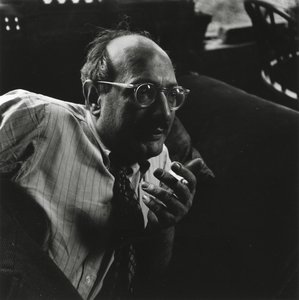
1903 - 1970 , Letonia


Manténgase al día con las últimas noticias de arte, ofertas exclusivas e ideas de decoración.
Cuéntanos sobre tu proyecto y nuestros expertos en arte te ofrecerán 3 sugerencias de obras personalizadas.
Dejamos que nosotros seleccionemos 3 opciones exclusivas para ti – ¡Gratis!


 Vista previa
 Compartir
 Compartir
 Ver detalles

 Descargar
 Ver similares
 Radiografía
 Presentación de diapositivas
 Leer más


