Lista de deseos Carrito de compras Cart
Encargar reproducción Encargar reproducciónComprar imagen en alta resolución Comprar imagen en alta resolución EnviarEnviar
DetallesDetalles Añadir a favoritos Añadir a favoritos DescargarDescargar SimilaresSimilares RadiografíaRadiografía Presentación de diapositivasPresentación de diapositivas

Untitled

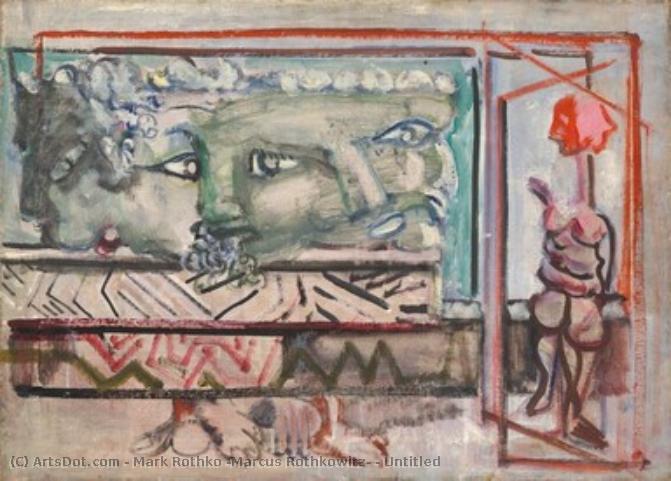
Mark Rothko’s ‘Untitled,’ painted in 1941, showcases two faces juxtaposed with birds scattered across the canvas—a poignant exploration of existential themes and a testament to Rothko's distinctive style.

Explore la vida y obra de Mark Rothko (1903-1970), un pintor clave del Expresionismo Abstracto. Descubre sus icónicos cuadros de campo de color, su profundidad emocional e impacto perdurable en el arte moderno. #ExpresionismoAbstracto #CamposDeColor #Rothko #HistoriaDelArte

Giclée / Impresión de arte

Impresión giclée o en lienzo de calidad de museo con producción rápida y opciones de acabado flexibles.


P118B $10
P118H $10
P118W $10
P438Z $10
P508JH $12
P508YH $12
P805H $10
P805Z $10
P919BZ $10
P919G $10
P919XJ $10
P959ZH $10
P968JZ $12
W106C $8
W218G $10
W218JH $8
W218Y $10
W307PJ $10
W316G $10
W316PJ $8
W316Y $10
W398PJ $8
W4111J $10
W500HY $15
W500JH $15
W692G $12
W849H $8
W940BG $15
W953PJ $8

Standard
custom
CM
INCH

Elija entre nuestros tamaños predefinidos que respetan las proporciones originales de la obra.

ancho
altura

Puede introducir sus propias dimensiones para adaptarse a un marco o espacio específico. Si el tamaño seleccionado no coincide con las proporciones de la imagen original, recortaremos la obra de arte o extenderemos la imagen con un borde con efecto espejo o de color sólido. Se enviará una maqueta digital para su aprobación antes de que comience la producción.
Tenga en cuenta que la vista previa en pantalla no refleja el recorte o la extensión real. Solo la maqueta mostrará con precisión la composición final.
Aunque existen tamaños personalizados, recomendamos seleccionar una dimensión de la lista predefinida para preservar las proporciones originales.

Entrega mundial () en 2 semanas en lugar de las 4/5 semanas estándar. (22 julio)

why_choose_icon
Envío exprés gratuito a todo el mundo
why_choose_icon
Lienzo de lino de alta calidad
why_choose_icon
Seguro de envío total
why_choose_icon
Garantía de reembolso de impuestos aduaneros
why_choose_icon
Garantía de fidelidad de color
why_choose_icon
Política de devolución de 60 días (solo por defectos)
why_choose_icon
Garantía de devolución del 100% del dinero
why_choose_icon
Descuento por pedido múltiple

Precio total

-

reproduction

Untitled

Giclée / Impresión de arte

Tamaño de la reproducción

-

Precio total final

-

Datos clave

  • Movement: Abstract Expressionism
  • Location: Private Collection
  • Artistic style: Meditative
  • Artist: Mark Rothko
  • Notable elements or techniques: Color Field Painting
  • Influences: Gestalt Psychology
  • Dimensions: 60 x 80 cm

Test de arte

Solo hay una respuesta correcta para cada pregunta.

Pregunta 1:
What is the primary artistic style of Mark Rothko's painting “Two Faces”?
Pregunta 2:
The painting features birds scattered throughout. What effect do these birds contribute to the overall composition?
Pregunta 3:
In what year was “Two Faces” created?
Pregunta 4:
What is the dominant color palette used in Rothko's painting?
Pregunta 5:
The Rothko Chapel was founded by John and Dominique de Menil. What is the chapel primarily intended for?

Descripción de la obra

Mark Rothko’s “Untitled” – A Meditation on Grief and Transcendence

The Rothko Chapel stands as an enduring testament to faith and artistic vision—a space deliberately designed to foster contemplation and evoke profound emotional responses. At its heart resides fourteen canvases by Mark Rothko, arguably the chapel's most significant contribution to its spiritual atmosphere. Among these paintings, “Untitled” (1941) commands attention not merely for its size – 60 x 80 cm – but for its masterful execution and haunting resonance with themes of loss and eventual liberation.

Style and Technique: Color Fields Embraced

Rothko’s distinctive style is characterized by what he termed “color fields,” vast expanses of pigment applied in horizontal layers that bleed into one another, creating an illusion of depth and luminosity. In “Untitled,” Rothko employs a rich palette dominated by hues of crimson and orange—colors traditionally associated with passion, vitality, and warmth. However, these vibrant shades are tempered by subtle gradations and washes of darker tones, conveying a palpable sense of melancholy. The artist eschews recognizable imagery altogether, prioritizing instead the pure expressive power of color itself. This deliberate rejection of representational art aligns Rothko squarely within the Color Field movement, which emerged in the mid-1940s as a reaction against Abstract Expressionism’s emphasis on gesture and psychological drama. Instead, Rothko sought to bypass conscious thought and tap into primal emotions—a radical departure from prevailing artistic conventions.

Historical Context: The Shadow of War and Artistic Transformation

“Untitled” was created during the tumultuous years leading up to World War II, a period marked by escalating anxieties about global conflict and profound shifts in cultural sensibilities. Rothko’s personal life mirrored this broader context; his father succumbed to cancer shortly after their move to Portland, Oregon—a devastating loss that undoubtedly informed the artist's preoccupation with mortality and suffering. Yet, amidst these shadows of grief, “Untitled” embodies a glimmer of hope—a suggestion that even in darkness, beauty and transcendence can endure. The chapel’s commissioning by John and Dominique de Menil reflected a desire to create a space for spiritual reflection amid the uncertainties of the era, mirroring Rothko's own artistic quest for meaning beyond the confines of visual perception.

Symbolism: Layers of Emotion Revealed

The seemingly simple composition of “Untitled” belies its complex symbolic significance. The horizontal bands of color represent not merely pigment but also expansive vistas—symbolizing the boundless expanse of consciousness and the yearning for unity with something greater than oneself. The subtle blending of hues suggests a gradual unfolding of emotion—a process mirroring the artist’s own grappling with grief and trauma. Furthermore, the birds scattered across the canvas serve as emblems of freedom—representing aspiration toward spiritual liberation from earthly constraints. Rothko's deliberate use of color and form transcends mere aesthetic considerations; it aims to evoke visceral responses in viewers—summoning memories of cherished experiences and prompting contemplation on fundamental questions about existence.

Emotional Impact: A Profound Encounter with Beauty

Standing before “Untitled” is an experience akin to entering a sacred space—a moment of quiet communion with art that transcends intellectual understanding. The painting’s luminous colors bathe the viewer in warmth, while its subtle gradations invite introspection and contemplation. As Rothko himself described it, he wished to create paintings that would "make people feel." And indeed, “Untitled” succeeds admirably in eliciting a profound emotional response—stirring feelings of sorrow, longing, and ultimately, acceptance. It is precisely this ability to convey intangible emotions that distinguishes Rothko’s work from more conventional forms of artistic expression—establishing him as one of the most influential figures in 20th-century art history.

Biografía del artista

vida temprana e influencias

Mark Rothko (Marcus Rothkowitz), un reconocido artista estadounidense, nació el 25 de septiembre de 1903 en Dvinsk, Letonia. Su familia emigró a los Estados Unidos cuando tenía solo diez años. Este cambio cultural influyó más tarde en su estilo artístico.

evolución artística

La obra temprana de Rothko se caracterizó por el **expresionismo abstracto**, un estilo que enfatizaba el proceso de creación del arte más que el producto final. Sus pinturas, como No. 18 (1948) y Untitled (1948), mostraban su enfoque único del color y la forma.
  • **Campo de color:** El uso de campos de color rectangulares audaces por Rothko, a menudo en marcado contraste entre sí, creó una sensación de profundidad y emoción.
  • **Estructura orgánica:** Sus pinturas parecían respirar vida, como si los colores fueran entidades vivientes.

obras notables y exposiciones

  • No. 10 (1950), una pintura que marcó un cambio significativo en el estilo de Rothko, ahora forma parte de la colección del Museo de Arte Moderno.
  • Las murales de Seagram, una serie de pinturas encargadas para el restaurante Four Seasons, mostraron la capacidad de Rothko para adaptar su estilo a diferentes entornos.
  • No. 3 (1950), una pintura que ejemplifica el uso de campos de color rectangulares audaces por Rothko.

vida tardía y legado

La vida de Rothko estuvo marcada por las luchas con la salud mental y un matrimonio tumultuoso. Falleció el 25 de febrero de 1970, a los 66 años. A pesar de sus desafíos, Rothko dejó una huella imborrable en el mundo del arte. Ocre y rojo sobre rojo (campo de color), una pintura que muestra el enfoque único del color de Rothko, se puede encontrar en la colección Most-Famous-Paintings.com. La página de Wikipedia de Mark Rothko proporciona más información sobre su vida y estilo artístico.
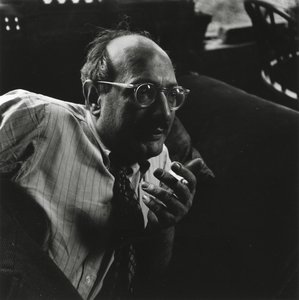
Mark Rothko

Mark Rothko

1903 - 1970 , Letonia

Datos clave

  • Artistas Que Influyeron:
    • Edward Hopper
    • Pablo Picasso
  • Fecha De Muerte: 25 de febrero de 1970
  • Fecha De Nacimiento: 25 de septiembre de 1903
  • Influencia En Artistas:
    • Minimalismo
    • Arte contemporáneo
  • Lugar De Nacimiento: Daugavpils, Letonia
  • Movimiento Artístico: Expresionismo Abstracto
  • Nacionalidad: Estadounidense
  • Nombre Completo: Mark Rothko (Marcus Rothkowitz)
  • Obras Notables:
    • No. 18 (1948)
    • No. 10 (1950)
    • Murales Seagram
    • No. 3 (1950)
Explore obras de arte organizadas por temas, estilos y características.