x

Impresiones giclée o en lienzo de calidad de museo con producción rápida y opciones de acabado flexibles. ( Encargar reproducción pintada a mano Comprar descarga)





























Elija entre nuestros tamaños predefinidos que respetan las proporciones originales de la obra.

Puede introducir sus propias dimensiones para adaptarse a un marco o espacio específico. Si el tamaño seleccionado no coincide con las proporciones de la imagen original, recortaremos la obra de arte o extenderemos la imagen con un borde con efecto espejo o de color sólido. Se enviará una maqueta digital para su aprobación antes de que comience la producción.
Tenga en cuenta que la vista previa en pantalla no refleja el recorte o la extensión real. Solo la maqueta mostrará con precisión la composición final.
Aunque existen tamaños personalizados, recomendamos seleccionar una dimensión de la lista predefinida para preservar las proporciones originales.
Envío a todo el mundo () en 2 semanas en lugar de las 4/5 semanas estándar. (15 agosto)


Al primer palabra clara
Tamaño de la reproducción
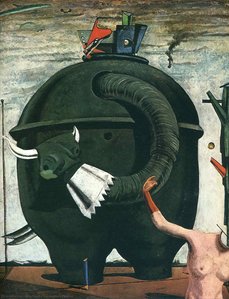
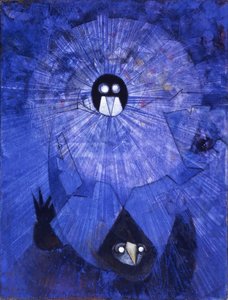
Max Ernst’s “At the First Clear Word,” painted in 1923, isn't merely a visual composition; it’s an invitation into a dreamscape—a meticulously crafted portal to the subconscious. This oil on canvas piece, now housed within the Kunstsammlung Nordrhein-Westfalen in Düsseldorf, exemplifies Ernst’s mastery of Surrealism, a movement that sought to liberate art from the constraints of reason and embrace the irrationality of the human mind. The painting immediately captivates with its unsettling beauty, a blend of familiar forms rendered in an utterly unfamiliar context – a testament to Ernst's innovative approach to creating a world both recognizable and profoundly strange.
The central figure—a solitary individual reaching through a window—immediately establishes a sense of isolation and yearning. Their outstretched hand, holding an apple, is the focal point, drawing the viewer into the scene’s enigmatic narrative. The inclusion of two potted plants flanking this figure adds layers of symbolic weight; they represent not just botanical elements but also potential sources of knowledge, nourishment, or even temptation – a recurring motif in Ernst's work, often reflecting on the duality of desire and restraint. The apple itself, a potent symbol throughout art history, hints at forbidden knowledge and the allure of transgression.
Ernst’s technique is nothing short of masterful. He employs a muted color palette—primarily blues, browns, and ochres—to create an atmosphere of quiet contemplation and subtle unease. The landscape itself feels both real and fabricated, grounded in a recognizable form yet distorted by the artist's deliberate manipulation of perspective and scale. The use of frottage – a technique he pioneered involving rubbing textured materials onto canvas – is particularly evident in the background details, adding an almost tactile quality to the scene. This layering of textures contributes significantly to the painting’s dreamlike atmosphere, blurring the boundaries between reality and imagination.
“At the First Clear Word” is deeply rooted in the Surrealist movement, which emerged from the ashes of World War I as a reaction against the perceived failures of logic and reason. Influenced by artists like André Breton, Salvador Dalí, and René Magritte, Ernst sought to tap into the unconscious mind, exploring themes of desire, anxiety, and the irrationality of human experience. The painting’s composition can be interpreted through various lenses: it could represent a moment of awakening, a yearning for connection, or perhaps a confrontation with one's own inner demons. The presence of the small figure in the background—a subtle detail often overlooked—suggests a secondary narrative, adding to the painting’s complexity and inviting multiple interpretations.
Furthermore, Ernst’s work was profoundly shaped by his experiences during World War I, a period that instilled in him a deep skepticism towards societal norms and a fascination with the darker aspects of human nature. This disillusionment is subtly reflected in the painting's unsettling atmosphere and its exploration of themes such as isolation and alienation.
“At the First Clear Word” stands as a powerful example of Max Ernst’s artistic genius—a testament to his ability to create works that are both visually arresting and intellectually stimulating. It's a painting that lingers in the mind long after it has been viewed, prompting reflection on the nature of reality, the power of the subconscious, and the enduring allure of the unknown. Today, reproductions of this iconic piece offer art enthusiasts a unique opportunity to bring this captivating vision into their homes, adding a touch of surreal mystery and intellectual depth to any space. Explore more Surrealist masterpieces at Most-Famous-Paintings.com, including “The Wavering Woman,” another compelling exploration of the human psyche by Max Ernst.

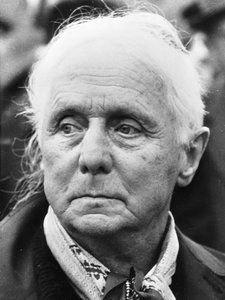
1891 - 1976 , Alemania

Explore the profound depths of Surrealism. From Dalí’s dreamscapes to Magritte’s enigmas, master the history of the subconscious mind through our expert art guide and discover museum-quality oil reproductions of the world's most iconic surrealist masterpieces.

Explore the profound depths of Surrealism with our expert guide. From Dalí's dreamscapes to Breton's manifesto, uncover the history, symbolism, and technical mastery of this revolutionary movement. Perfect for students and collectors seeking deep art-historical insight.


Manténgase al día con las últimas noticias de arte, ofertas exclusivas e ideas de decoración.
Cuéntanos sobre tu proyecto y nuestros expertos en arte te ofrecerán 3 sugerencias de obras personalizadas.
Dejamos que nosotros seleccionemos 3 opciones exclusivas para ti – ¡Gratis!


 Vista previa
 Compartir
 Compartir
 Ver detalles

 Descargar
 Ver similares
 Radiografía
 Presentación de diapositivas

 Leer más







 La opción de vidrio solo está disponible en tamaños inferiores a 110 cm.