x

 Acrylic On CanvasWallArtSurrealist Movement
 1937Modern
 24.0 x 33.0 cm
Óleo sobre lienzo pintado a mano en el tamaño y marco de su elección, realizado por encargo por nuestros artistas. ( Pedir impresión Comprar descarga)





























Elija entre nuestros tamaños predefinidos que respetan las proporciones originales de la obra.

Puede ingresar sus propias dimensiones para adaptarse a un marco o espacio específico. Si el tamaño seleccionado no coincide con las proporciones de la imagen original, recortaremos la obra o extenderemos la pintura con elementos adicionales pintados a mano. Se le enviará una maqueta digital para su aprobación antes de comenzar la producción.
Tenga en cuenta que la vista previa en pantalla no refleja el recorte o la extensión reales. Solo la maqueta mostrará con precisión la composición final.
Si bien existen tamaños personalizados, recomendamos seleccionar una dimensión de la lista predefinida para preservar las proporciones originales.
Envío a todo el mundo () en 3-4 semanas en lugar de las 5 semanas estándar. (14 agosto). Sin comprometer la calidad.


Barbarians
Tamaño de la reproducción
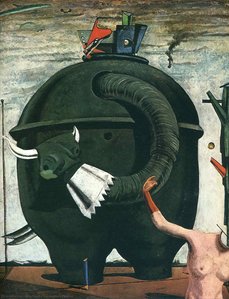
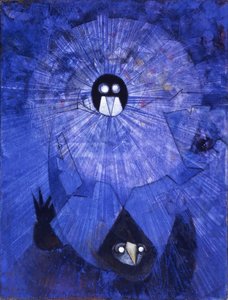
Max Ernst’s “Barbarians,” painted in 1937, is not merely a depiction of figures consuming pizza; it’s a meticulously crafted surrealist tableau brimming with unsettling juxtapositions and profound questions about humanity. Measuring 24 x 33 cm, this intimate artwork offers a captivating glimpse into the mind of one of the 20th century's most influential artists – a man who deliberately disrupted artistic conventions to explore the subconscious and challenge societal norms.
Created during a period of intense intellectual ferment, “Barbarians” reflects the core tenets of the surrealist movement. Rooted in the theories of Sigmund Freud and Carl Jung, surrealism sought to unlock the power of the unconscious mind through automatic drawing, dream imagery, and illogical compositions. Ernst, deeply influenced by these ideas, aimed to bypass rational thought and tap into a realm of primal instincts and hidden desires. The painting’s unsettling atmosphere and ambiguous figures perfectly embody this approach.
Born in Brühl, Germany, in 1891, Max Ernst's artistic trajectory was marked by constant experimentation and a relentless pursuit of new techniques. His academic background – encompassing philosophy, art history, and psychology – provided him with the intellectual tools to deconstruct traditional notions of representation and explore the complexities of the human psyche. This is particularly evident in "Barbarians," where the seemingly simple act of eating pizza becomes laden with symbolic weight.
The abundance of pizza, held by the two figures, can be interpreted as a symbol of excess, indulgence, or perhaps even societal decay. The smaller figures scattered throughout the scene add to the painting’s complexity, suggesting a fragmented society grappling with its own contradictions. Some appear engaged in activities that defy logic – further reinforcing the surrealist intent. The very title, "Barbarians," evokes images of primal instincts and unrestrained behavior, hinting at a potential critique of modern civilization.
"Barbarians" possesses a captivating power that transcends its seemingly simple subject matter. It’s a painting that invites contemplation, prompting viewers to question their own perceptions of reality and the nature of human interaction. As a work by one of the pioneers of 20th-century art, Max Ernst's "Barbarians" holds significant historical and artistic value. A hand-painted reproduction offers an exceptional opportunity to bring this compelling surrealist masterpiece into your home or office – a conversation starter and a testament to the enduring power of artistic vision.


1891 - 1976 , Alemania

Explore the profound depths of Surrealism. From Dalí’s dreamscapes to Magritte’s enigmas, master the history of the subconscious mind through our expert art guide and discover museum-quality oil reproductions of the world's most iconic surrealist masterpieces.

Explore the profound depths of Surrealism with our expert guide. From Dalí's dreamscapes to Breton's manifesto, uncover the history, symbolism, and technical mastery of this revolutionary movement. Perfect for students and collectors seeking deep art-historical insight.


Manténgase al día con las últimas noticias de arte, ofertas exclusivas e ideas de decoración.
Cuéntanos sobre tu proyecto y nuestros expertos en arte te ofrecerán 3 sugerencias de obras personalizadas.
Dejamos que nosotros seleccionemos 3 opciones exclusivas para ti – ¡Gratis!


 Vista previa
 Compartir
 Compartir
 Ver detalles

 Descargar
 Ver similares
 Radiografía
 Presentación de diapositivas
 Leer más







 La opción de vidrio solo está disponible en tamaños inferiores a 110 cm.