


x

 Oil On CanvasWallArtSurrealism
 1919
1919 36.0 x 29.0 cm
Adquiera una imagen digital de alta resolución y optimizada, muy superior a la vista previa en línea.
Cada archivo es preparado meticulosamente por nuestros especialistas internos mediante el uso de herramientas avanzadas y un experto retoque manual. Nos aseguramos de que cada imagen posea una claridad excepcional, una precisión cromática impecable y un detalle minucioso.
El archivo final se entrega por correo electrónico en un plazo de 72 horas, optimizado para su uso inmediato en entornos profesionales, editoriales y de impresión. Esta es la misma calidad en la que confían los estudios de diseño, las editoriales y las galerías de primer nivel.
Descarga un archivo de alta resolución para exhibición personal, impresión y proyectos creativos. ( Pedir impresión Encargar reproducción pintada a mano)
Al elegir Most-Famous-Paintings.com, no solo está adquiriendo una imagen; está recibiendo una obra de arte digital mejorada profesionalmente, elaborada con precisión y respaldada por una garantía de satisfacción. Esto es todo lo que incluye su pedido, automáticamente:

Recibirá su archivo de imagen digital en alta resolución por correo electrónico en un plazo de 72 horas tras realizar su pedido, listo para su uso inmediato.

Su obra de arte se optimiza profesionalmente mediante herramientas avanzadas de IA y edición manual, garantizando el máximo detalle, claridad y precisión cromática.

¿Has borrado o perdido tu archivo por error? No te preocupes: te lo volveremos a enviar en cualquier momento, sin coste adicional.

Disfrute de su obra de arte al instante sin aduanas, aranceles ni gastos de envío; las descargas digitales siempre están libres de impuestos.

Garantizamos que su imagen digital refleje los colores originales con la mayor fidelidad posible, mediante el uso de herramientas profesionales y gestión del color.

Si no está satisfecho con su imagen digital, la revisaremos o le reembolsaremos el 100% en un plazo de 60 días, sin preguntas.

¿No está satisfecho? Obtenga un reembolso completo dentro de los 60 días posteriores a la recepción de su archivo digital, sin necesidad de explicaciones.

Compra 3 imágenes, ahorra 10% - Compra 5, ahorra 15% - Compra 10+, ahorra 20%. Ideal para proyectos creativos, galerías y agencias.
To gaze upon this vibrant scene, Hat in Hand, Hat on Head, is to step directly into the richly imagined, dreamlike landscape of Max Ernst’s vision. Painted in 1919, this work pulses with an almost palpable energy, capturing a moment that feels both intimately observed and utterly fantastical. The composition draws the eye across a tableau vivant set beneath the sheltering canopy of trees. At its heart stand a man and a woman, figures whose formal attire—noticeable in their ties—suggests a veneer of societal structure, yet this formality is immediately softened by the surrounding natural exuberance.
The artist has masterfully woven together human presence with the wild grace of nature. The woman, perhaps carrying a basket that hints at domesticity or bounty, stands beside her companion. But it is not merely the central pair; the inclusion of another figure on the right, coupled with the delicate placement of two birds—one high in the corner, the other near the center-right—elevates the scene beyond a simple portrait. These elements act as visual anchors, guiding the viewer's gaze through the narrative unfolding within the canvas.
Max Ernst’s technique is inseparable from his philosophical depth. While the subject matter appears somewhat anecdotal—a gathering under a tree—the execution speaks volumes about the subconscious mind. His style, deeply rooted in Surrealism, eschews straightforward realism for something more evocative and psychologically charged. The colors are rich and saturated, lending the entire piece a lively, almost carnival-like vibrancy that belies any underlying mystery. One can sense the meticulous layering of paint, characteristic of an artist who treated the canvas not just as a surface, but as a field for intellectual excavation.
The interplay between the structured clothing and the organic flow of the foliage suggests Ernst’s lifelong fascination with the tension between civilization and instinct. It is a visual dialogue where the mundane—a walk in the park, perhaps—is suddenly imbued with mythic weight.
The symbolism within this painting invites endless contemplation. The hats themselves, titular elements, are potent symbols of identity, roles assumed, and perhaps, the masks we wear for society. Are they held ready to be placed upon the head, or discarded? This ambiguity is key to the emotional impact. The birds, ever traditional emblems of freedom and the spirit, flutter above the human drama, suggesting that true liberty remains just beyond the reach of our carefully constructed lives. For the collector or designer, this piece offers more than mere decoration; it offers a conversation starter—a contemplation on duality.
It speaks to moments suspended in time: the brief pause between one thought and the next, between two people, between the structured self and the wild heart.
Reproducing this work allows you to invite a piece of that vibrant, intellectual energy into your own space. The dimensions of 36 x 29 cm make it an ideal focal point for a gallery wall or mantelpiece display, offering significant visual impact without overwhelming a room's scale. Owning a high-quality reproduction means curating not just art, but a mood—a sophisticated blend of nostalgic romance and avant-garde thought. It is a piece that rewards close looking, promising new discoveries with every passing glance.

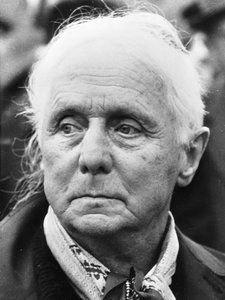
1891 - 1976 , Alemania


Manténgase al día con las últimas noticias de arte, ofertas exclusivas e ideas de decoración.
Cuéntanos sobre tu proyecto y nuestros expertos en arte te ofrecerán 3 sugerencias de obras personalizadas.
Dejamos que nosotros seleccionemos 3 opciones exclusivas para ti – ¡Gratis!


 Vista previa
 Compartir
 Compartir
 Ver detalles

 Descargar
 Ver similares
 Radiografía
 Presentación de diapositivas
 Leer más


