x

Impresiones giclée o en lienzo de calidad de museo con producción rápida y opciones de acabado flexibles. ( Encargar reproducción pintada a mano Comprar descarga)





























Elija entre nuestros tamaños predefinidos que respetan las proporciones originales de la obra.

Puede introducir sus propias dimensiones para adaptarse a un marco o espacio específico. Si el tamaño seleccionado no coincide con las proporciones de la imagen original, recortaremos la obra de arte o extenderemos la imagen con un borde con efecto espejo o de color sólido. Se enviará una maqueta digital para su aprobación antes de que comience la producción.
Tenga en cuenta que la vista previa en pantalla no refleja el recorte o la extensión real. Solo la maqueta mostrará con precisión la composición final.
Aunque existen tamaños personalizados, recomendamos seleccionar una dimensión de la lista predefinida para preservar las proporciones originales.
Envío a todo el mundo () en 2 semanas en lugar de las 4/5 semanas estándar. (18 agosto)


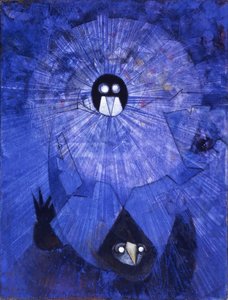
La fuite
Tamaño de la reproducción
Max Ernst’s “La Fuite,” painted in 1925 during the height of Surrealism, isn't merely a depiction of a woman; it’s an embodiment of existential anxiety and a visual manifesto of the movement’s core principles. Created shortly after World War I ended, the painting reflects the pervasive disillusionment felt across Europe – a yearning for beauty amidst the ruins of shattered empires and a questioning of rational thought in the face of overwhelming trauma.
Ernst’s signature style is instantly recognizable. He employs a technique known as “frottage,” where he rubs a textured surface – often paper covered with wax crayons – onto another piece of paper to generate random patterns and textures. These patterns are then meticulously integrated into the composition, creating an unsettling blend of organic and geometric forms. The resulting image feels like stepping directly into a dreamscape—a realm governed by subconscious impulses rather than conscious control.
Surrealism emerged as a reaction to the horrors of Verdun and Sarajevo, rejecting logic and reason in favor of exploring the irrational depths of the human psyche. Artists like Ernst sought inspiration from Freud's theories on psychoanalysis, attempting to liberate creativity from the constraints of conscious thought. “La Fuite” exemplifies this ethos by presenting a fragmented narrative devoid of conventional storytelling—a deliberate disruption intended to provoke contemplation and challenge viewers’ perceptions.
The painting is rife with symbolic imagery. The prominent window represents aspiration – a desire to glimpse beyond the confines of reality into realms of imagination and possibility. Conversely, the mirror reflects back upon itself, suggesting introspection and confronting one’s own anxieties. Most powerfully, however, is the woman herself, positioned in an expansive pose, seemingly attempting to escape—a visual metaphor for overcoming obstacles and embracing liberation.
"La Fuite" possesses a captivating unsettling beauty. Ernst's masterful manipulation of texture and color creates a palpable sense of unease, mirroring the psychological turmoil experienced during the postwar period. Yet, beneath this surface tension lies an undeniable impulse toward transcendence—a celebration of creativity as a means of confronting darkness and reclaiming agency. It’s a painting that lingers in the mind long after viewing, prompting viewers to consider questions about identity, freedom, and the elusive nature of truth.

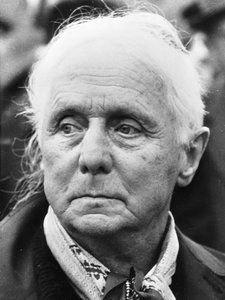
1891 - 1976 , Alemania

Explore the profound depths of Surrealism. From Dalí’s dreamscapes to Magritte’s enigmas, master the history of the subconscious mind through our expert art guide and discover museum-quality oil reproductions of the world's most iconic surrealist masterpieces.


Manténgase al día con las últimas noticias de arte, ofertas exclusivas e ideas de decoración.
Cuéntanos sobre tu proyecto y nuestros expertos en arte te ofrecerán 3 sugerencias de obras personalizadas.
Dejamos que nosotros seleccionemos 3 opciones exclusivas para ti – ¡Gratis!


 Vista previa
 Compartir
 Compartir
 Ver detalles

 Descargar
 Ver similares
 Radiografía
 Presentación de diapositivas
 Leer más







 La opción de vidrio solo está disponible en tamaños inferiores a 110 cm.