
Vende tu arte
Lista de deseos Carrito de compras Cart
x
Vista previaVista previa Vista previa en RAVista previa en RA Pedir impresión Pedir impresiónEncargar reproducción pintada a mano Encargar reproducción pintada a mano CompartirCompartir
Ver detallesVer detalles Añadir a favoritos Añadir a favoritos DescargarDescargar Ver similaresVer similares RadiografíaRadiografía Presentación de diapositivasPresentación de diapositivas

Le facteur Cheval

Max Ernst’s surreal ‘Le facteur Cheval’ presents a captivating man constructed from clocks, moons, and apples against a blue backdrop, embodying the artist's intellectual exploration of the subconscious. Discover this iconic work and bring its dreamlike vision home.

¡Explora el mundo surrealista de Max Ernst (1891-1976), un pionero del Dada y el Surrealismo! Descubre sus innovadoras técnicas de frottage, collages y pinturas oníricas con aves, paisajes y temas psicológicos. #MaxErnst #Surrealismo #Dada

Adquiera una imagen digital de alta resolución y optimizada, muy superior a la vista previa en línea.

Cada archivo es preparado meticulosamente por nuestros especialistas internos mediante el uso de herramientas avanzadas y un experto retoque manual. Nos aseguramos de que cada imagen posea una claridad excepcional, una precisión cromática impecable y un detalle minucioso.

El archivo final se entrega por correo electrónico en un plazo de 72 horas, optimizado para su uso inmediato en entornos profesionales, editoriales y de impresión. Esta es la misma calidad en la que confían los estudios de diseño, las editoriales y las galerías de primer nivel.

Imagen Digital

Descarga un archivo de alta resolución para exhibición personal, impresión y proyectos creativos. (Pedir impresión Pedir impresiónEncargar reproducción pintada a mano Encargar reproducción pintada a mano)

Precio total

$ 24,90

Incluido en cada compra de imágenes digitales

Entrega digital experta, garantizada.

Al elegir Most-Famous-Paintings.com, no solo está adquiriendo una imagen; está recibiendo una obra de arte digital mejorada profesionalmente, elaborada con precisión y respaldada por una garantía de satisfacción. Esto es todo lo que incluye su pedido, automáticamente:

shipping_icon
Entrega rápida por email

Recibirá su archivo de imagen digital en alta resolución por correo electrónico en un plazo de 72 horas tras realizar su pedido, listo para su uso inmediato.

canvas_icon
Archivo digital optimizado por IA

Su obra de arte se optimiza profesionalmente mediante herramientas avanzadas de IA y edición manual, garantizando el máximo detalle, claridad y precisión cromática.

insurance_icon
Reenvío gratuito de por vida

¿Has borrado o perdido tu archivo por error? No te preocupes: te lo volveremos a enviar en cualquier momento, sin coste adicional.

tax_icon
Sin gastos de importación, siempre

Disfrute de su obra de arte al instante sin aduanas, aranceles ni gastos de envío; las descargas digitales siempre están libres de impuestos.

color_icon
Garantía de precisión de color

Garantizamos que su imagen digital refleje los colores originales con la mayor fidelidad posible, mediante el uso de herramientas profesionales y gestión del color.

return_icon
Garantía de satisfacción de 60 días

Si no está satisfecho con su imagen digital, la revisaremos o le reembolsaremos el 100% en un plazo de 60 días, sin preguntas.

guarantee_icon
100% Garantía de devolución de dinero

¿No está satisfecho? Obtenga un reembolso completo dentro de los 60 días posteriores a la recepción de su archivo digital, sin necesidad de explicaciones.

discount_icon
Descuentos por volumen

Compra 3 imágenes, ahorra 10% - Compra 5, ahorra 15% - Compra 10+, ahorra 20%. Ideal para proyectos creativos, galerías y agencias.

Datos clave

  • Medium: Oil on canvas
  • Subject or theme: Fantasy, symbolism
  • Influences:
    • Dada
    • Picasso
  • Notable elements: Object head, blue bg
  • Movement: Surrealism
  • Location: Private Collection
  • Artistic style: Dreamlike, bizarre

Descripción del coleccionable

Max Ernst's "Le Facteur Cheval": A Surrealist Puzzle of Form and Meaning

Max Ernst’s “Le Facteur Cheval” (The Postman Cheval) is not merely a depiction of a man constructed from disparate objects; it’s an invitation to delve into the subconscious, a meditation on identity, and a testament to the power of artistic obsession. Painted in 1920, this enigmatic work exemplifies Ernst's pivotal role within the Surrealist movement, showcasing his unique approach to challenging conventional perceptions of reality. The painting immediately captivates with its bizarre yet strangely compelling composition – a solitary figure seemingly assembled from a collection of meticulously arranged objects: a clock face, a luminous moon, a blushing apple, and a delicate bird, all contributing to a tableau that defies easy interpretation.

A Biographical Context: Ernst's Quest for the Ideal

  • Early Influences: Born in Brühl, Germany, in 1891, Max Ernst’s artistic trajectory was shaped by a complex interplay of influences. His father, a teacher of the deaf, fostered an appreciation for detail and a sensitivity to the world, while his own intellectual pursuits – encompassing philosophy, psychology, and literature – fueled a desire to explore the hidden dimensions of human experience.
  • The Postman's Dream: The subject of the painting, Auguste Chevalier, was a real postman who built a house entirely out of letters. Ernst became fascinated by Chevalier’s dedication, viewing his project as an embodiment of the artist’s relentless pursuit of perfection and a rejection of bourgeois values.
  • Surrealist Roots: “Le Facteur Cheval” emerged during Ernst's early involvement with the Surrealist movement, a group dedicated to unlocking the power of dreams and the irrational through artistic expression. The painting reflects the Surrealists’ interest in automatism – spontaneous creation without conscious control – and their exploration of psychological themes.

Symbolic Layers: Deconstructing the Image

The seemingly random arrangement of objects within “Le Facteur Cheval” is laden with symbolic meaning. The clock face, a recurring motif in Ernst’s work, represents time, memory, and the relentless march of existence. The moon, often associated with the subconscious and intuition, adds an element of mystery and dreamlike quality. The apple, a traditional symbol of temptation and knowledge, hints at forbidden desires and hidden truths. The bird, fragile and delicate, could represent freedom or vulnerability. These elements coalesce to create a powerful visual metaphor for the fragmented nature of identity and the struggle to find meaning in a chaotic world.

Technique and Artistic Style: Ernst's Pioneering Approach

Ernst’s technique in “Le Facteur Cheval” is characterized by meticulous detail and a masterful use of color. The blue background serves not merely as a backdrop but actively contributes to the painting’s unsettling atmosphere, enhancing the sense of disorientation and dreamlike quality. His application of paint – often employing techniques borrowed from woodcuts and engravings – creates a textured surface that adds to the work's tactile appeal. Ernst was a pioneer in exploring collage and assemblage within his paintings, foreshadowing later developments in Pop Art and Conceptual Art. The painting’s fragmented composition reflects Ernst’s interest in dismantling traditional representational forms and challenging viewers to actively engage with the artwork.

Emotional Impact and Legacy

"Le Facteur Cheval" continues to resonate with audiences today because of its profound exploration of fundamental human concerns: identity, perception, and the search for meaning. It’s a work that demands contemplation, inviting viewers to confront their own subconscious desires and anxieties. As a key example of Surrealist art, it demonstrates Ernst's ability to create visually arresting and intellectually stimulating works that remain relevant in the 21st century. This painting is more than just an image; it’s a portal into the mind of one of the most innovative artists of the 20th century.

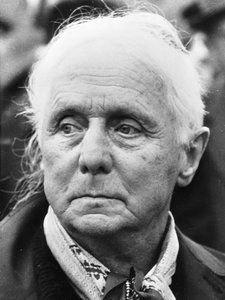
Biografía del artista

Max Ernst: Una Vida en el Surrealismo

Juventud y Educación

  • Nacido: 1 de abril de 1891, en Brühl, Alemania.
  • El padre de Ernst, Philipp Ernst, era maestro de sordos y pintor aficionado, fomentando el interés temprano de Max por el arte.
  • Estudió filosofía, historia del arte, literatura, psicología y psiquiatría en la Universidad de Bonn desde 1909.
  • Esta diversa formación académica influyó profundamente en sus posteriores exploraciones artísticas.

Desarrollo Artístico e Influencias

  • Un momento decisivo fue la exposición Sonderbund en Colonia (1912), donde conoció obras de Pablo Picasso, Vincent van Gogh, y Paul Gauguin.
  • En 1914, conoció a Hans Arp, comenzando una amistad que duró toda la vida e influyó significativamente en su trayectoria artística.
  • La Primera Guerra Mundial impactó profundamente a Ernst; sus experiencias como soldado llevaron al desencanto y a una visión crítica de la sociedad.
  • Se sintió influenciado por las obras de Sigmund Freud, explorando temas de la mente inconsciente en su arte.

Dada y Surrealismo

  • Ernst se convirtió en una figura clave del grupo Dada de Colonia después de la Primera Guerra Mundial, rechazando las convenciones artísticas tradicionales.
  • Pionero en técnicas innovadoras como frottage (frotar lápiz sobre superficies texturizadas) y grattage (raspar pintura para revelar capas subyacentes).
  • En la década de 1920, se unió al movimiento Surrealista en París, colaborando con artistas como Paul Éluard.
  • Su obra durante este período exploró imágenes oníricas y temas psicológicos.

Obras Principales y Técnicas

  • Frottage: Una técnica utilizada para crear texturas e imágenes inesperadas, ejemplificada en muchas de sus obras.
  • Collage: Ernst empleó con frecuencia el collage, combinando elementos dispares para crear composiciones surrealistas.
  • Obras Notables:
    • La Ciudad Entera
    • Euclides
    • De Esto Ninguno Debería Saber
    • Bosque y Paloma
  • Sus pinturas a menudo presentan imágenes simbólicas, incluyendo pájaros (particularmente su alter ego Loplop), paisajes y yuxtaposiciones inquietantes.

Vida Tardía y Legado

  • Ernst se trasladó a Estados Unidos durante la Segunda Guerra Mundial, continuando pintando y experimentando con nuevas técnicas.
  • Regresó a Francia después de la guerra y permaneció activo hasta su muerte el 1 de abril de 1976, en París.
  • Significado Histórico: Las contribuciones de Max Ernst a Dada y Surrealismo fueron innovadoras. Desafió las normas artísticas, exploró la mente subconsciente e inventó técnicas innovadoras que continúan inspirando a los artistas de hoy en día.
  • Sigue siendo una de las figuras más importantes e influyentes del arte del siglo XX.
Max Ernst

Max Ernst

1891 - 1976 , Alemania

Datos clave

  • Artistas Influenciados: ['Muchos artistas posteriores']
  • Artistas Que Influyeron:
    • Pablo Picasso
    • Vincent van Gogh
    • Paul Gauguin
    • Sigmund Freud
  • Fecha De Muerte: 1 de abril de 1976
  • Fecha De Nacimiento: 1 de abril de 1891
  • Lugar De Nacimiento: Brühl, Alemania
  • Movimiento Artístico: Dadaísmo y Surrealismo
  • Nacionalidad: Alemán/Americano/Francés
  • Nombre Completo: Max Ernst
  • Obras Notables:
    • La Ciudad Entera
    • Euclides
    • Bosque y Paloma
    • El Elefante de Célebes

