


x
Adquiera una imagen digital de alta resolución y optimizada, muy superior a la vista previa en línea.
Cada archivo es preparado meticulosamente por nuestros especialistas internos mediante el uso de herramientas avanzadas y un experto retoque manual. Nos aseguramos de que cada imagen posea una claridad excepcional, una precisión cromática impecable y un detalle minucioso.
El archivo final se entrega por correo electrónico en un plazo de 72 horas, optimizado para su uso inmediato en entornos profesionales, editoriales y de impresión. Esta es la misma calidad en la que confían los estudios de diseño, las editoriales y las galerías de primer nivel.
Descarga un archivo de alta resolución para exhibición personal, impresión y proyectos creativos. ( Pedir impresión Encargar reproducción pintada a mano)
Al elegir Most-Famous-Paintings.com, no solo está adquiriendo una imagen; está recibiendo una obra de arte digital mejorada profesionalmente, elaborada con precisión y respaldada por una garantía de satisfacción. Esto es todo lo que incluye su pedido, automáticamente:

Recibirá su archivo de imagen digital en alta resolución por correo electrónico en un plazo de 72 horas tras realizar su pedido, listo para su uso inmediato.

Su obra de arte se optimiza profesionalmente mediante herramientas avanzadas de IA y edición manual, garantizando el máximo detalle, claridad y precisión cromática.

¿Has borrado o perdido tu archivo por error? No te preocupes: te lo volveremos a enviar en cualquier momento, sin coste adicional.

Disfrute de su obra de arte al instante sin aduanas, aranceles ni gastos de envío; las descargas digitales siempre están libres de impuestos.

Garantizamos que su imagen digital refleje los colores originales con la mayor fidelidad posible, mediante el uso de herramientas profesionales y gestión del color.

Si no está satisfecho con su imagen digital, la revisaremos o le reembolsaremos el 100% en un plazo de 60 días, sin preguntas.

¿No está satisfecho? Obtenga un reembolso completo dentro de los 60 días posteriores a la recepción de su archivo digital, sin necesidad de explicaciones.

Compra 3 imágenes, ahorra 10% - Compra 5, ahorra 15% - Compra 10+, ahorra 20%. Ideal para proyectos creativos, galerías y agencias.
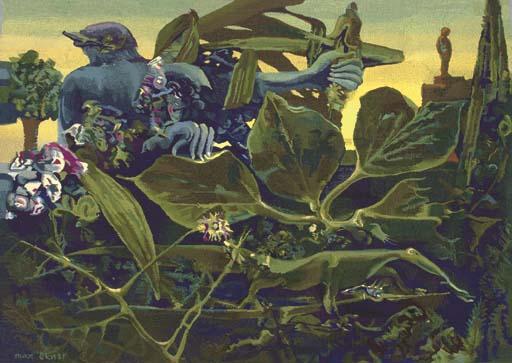
Max Ernst’s “Nature at Dawn” stands as an arresting emblem of the Surrealist movement—a visual manifesto born from a profound questioning of rationality and fueled by the enigmatic whispers of the subconscious. Painted in 1924, this masterpiece is far more than a mere depiction of a landscape bathed in nascent sunlight; it is a meticulously crafted allegory that delves into the complex themes of power, vulnerability, and the profound interconnectedness between humanity and the natural world. To gaze upon this work is to step through a portal into a realm where the boundaries between reality and dream dissolve, making it an extraordinary centerpiece for any collection dedicated to the exploration of the human psyche.
The painting’s composition presents a hauntingly beautiful scene: a solitary man perched atop a monumental statue, his form strangely integrated with the environment as plants appear to sprout from his very back. This central figure, adorned with a crown and accompanied by a watchful bird upon his shoulder, serves as the emotional anchor of the piece. As your eyes wander through the canvas, you encounter a surreal assembly of characters—some standing in quiet contemplation, others seated in stillness—surrounded by an array of unexpected objects. From delicate potted plants to enigmatic vases and a clock suspended as if defying time, every element contributes to a sense of organized chaos, inviting the viewer to lose themselves in its intricate, dreamlike logic.
Ernst’s artistic approach in this period was characterized by a deliberate embrace of chance—a rejection of traditional compositional rules in favor of spontaneous experimentation. He achieved this through a masterful technique of collage, meticulously assembling fragments of printed matter, maps, and botanical illustrations onto the canvas. These disparate elements were not merely layered; they were interwoven with such care that they created textures and patterns defying linear perspective. This method allowed Ernst to bypass conscious control, tapping into what he believed was a deeper, more authentic creative truth.
This technique serves a greater historical purpose, marking the transition from the nihilistic anti-art sentiments of Dada to the psychologically driven explorations of Surrealism. Influenced by the burgeoning field of psychoanalysis and the theories of Sigmund Freud, Ernst sought to liberate creativity from the constraints of logic. For the discerning collector or interior designer, this technical complexity offers a rich visual experience; the way light and texture interact within the reproduction provides a tactile depth that commands attention in any sophisticated setting.
The symbolism within “Nature at Dawn” is layered and deeply evocative. The monumental statue, representing authority and the weight of tradition, acts as a heavy pedestal for the man, whose posture conveys a poignant sense of vulnerability beneath the expectations of society. The presence of the bird and the burgeoning flora suggests a cycle of rebirth and the unstoppable force of nature reclaiming the man-made. It is a tension between the rigid structures of civilization and the wild, untamed impulses of life itself.
For those seeking to decorate a space with art that provokes thought and conversation, this piece offers an unparalleled emotional impact. It evokes a sense of wonder, a touch of melancholy, and a profound curiosity about the unseen forces that shape our existence. Whether placed in a quiet study or a grand living area, a high-quality reproduction of this work brings with it an aura of intellectual depth and timeless mystery, making it an essential acquisition for those who appreciate art that speaks to the soul as much as the eye.

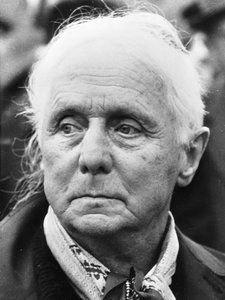
1891 - 1976 , Alemania


Manténgase al día con las últimas noticias de arte, ofertas exclusivas e ideas de decoración.
Cuéntanos sobre tu proyecto y nuestros expertos en arte te ofrecerán 3 sugerencias de obras personalizadas.
Dejamos que nosotros seleccionemos 3 opciones exclusivas para ti – ¡Gratis!


 Vista previa
 Compartir
 Compartir
 Ver detalles

 Descargar
 Ver similares
 Radiografía
 Presentación de diapositivas

 Leer más


