x

Impresiones giclée o en lienzo de calidad de museo con producción rápida y opciones de acabado flexibles. ( Comprar pintura hecha a mano Comprar imagen)





























Elija entre nuestros tamaños predefinidos que respetan las proporciones originales de la obra.

Puede introducir sus propias dimensiones para adaptarse a un marco o espacio específico. Si el tamaño seleccionado no coincide con las proporciones de la imagen original, recortaremos la obra de arte o extenderemos la imagen con un borde con efecto espejo o de color sólido. Se enviará una maqueta digital para su aprobación antes de que comience la producción.
Tenga en cuenta que la vista previa en pantalla no refleja el recorte o la extensión real. Solo la maqueta mostrará con precisión la composición final.
Aunque existen tamaños personalizados, recomendamos seleccionar una dimensión de la lista predefinida para preservar las proporciones originales.
Envío a todo el mundo () en 2 semanas en lugar de las 4/5 semanas estándar. (12 agosto)


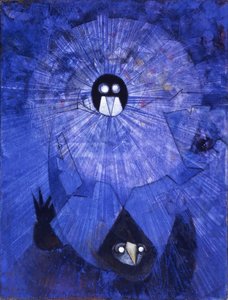
Oiseaux en Peril 1
Tamaño de la reproducción
Max Ernst's Oiseaux en Peril 1 (Birds in Danger 1) is more than just a depiction of a bird; it’s an immersion into the unsettling and profoundly evocative world that defined the artist’s career. Painted during a period of intense experimentation and intellectual exploration, this work embodies the core tenets of Surrealism – a deliberate disruption of rational thought to unlock deeper truths about the human psyche. The image presents a solitary white bird, its yellow eyes gleaming with an unnerving intensity, positioned before a luminous moon. Two other birds are subtly integrated into the composition, adding layers of complexity and hinting at themes of vulnerability and isolation.
Born in Brühl, Germany, in 1891, Max Ernst was a pivotal figure in the early development of Surrealism. Rejecting academic conventions, he embraced techniques like frottage (rubbing textures onto paper) and decalcomania (spreading paint on a surface to create random patterns), methods that allowed him to tap into the subconscious mind. Oiseaux en Peril 1 exemplifies this approach. The seemingly simple rendering of the bird is achieved through meticulous layering and manipulation, creating an illusionistic depth that draws the viewer into the scene. Ernst’s deliberate use of contrasting colors – the stark white of the bird against the verdant background – further amplifies the painting's unsettling effect.
The symbolism within Oiseaux en Peril 1 is rich and open to interpretation, a hallmark of Surrealist art. The bird itself has long been associated with freedom, spirituality, and even prophecy. Its vulnerable posture, coupled with its gaze directed towards an unseen horizon, suggests a sense of anxiety or impending danger – hence the title, “Birds in Danger.” The moon, a recurring motif in Ernst’s work, often represents the unconscious mind, mystery, and the cyclical nature of time. The presence of the other birds adds to this feeling of unease, perhaps symbolizing lost companions or the fragility of existence.
Created during a period of significant social and political upheaval – the aftermath of World War I and the rise of totalitarian regimes – Oiseaux en Peril 1 reflects Ernst’s disillusionment with Western civilization. His work challenged conventional notions of beauty, reason, and order, aligning him squarely within the broader Surrealist movement that sought to dismantle established norms and explore the irrational aspects of human experience. Max Ernst's influence extends far beyond his own time, continuing to inspire artists and designers today. A hand-painted reproduction of Oiseaux en Peril 1 offers a unique opportunity to bring this powerful and enigmatic work into your home or studio, allowing you to contemplate its enduring mysteries.

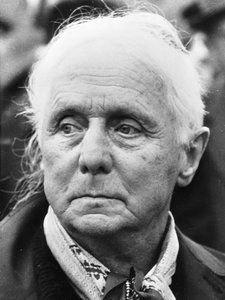
1891 - 1976 , Alemania

Descubre las 10 obras maestras del Surrealismo Expresionista con Most-Famous-Paintings. Explora la historia de Dalí, Magritte y Miró, su técnica y significado. Encuentra reproducciones de arte exclusivas para transformar tu hogar. ¡Explora la colección completa en Most-Famous-Paintings.com!

Descubre la fascinante evolución del Surrealismo en la pintura. Explora sus orígenes, técnicas innovadoras y las obras maestras de Dalí, Magritte y Miró. Un análisis profundo para amantes del arte.
Descubre las 25 obras maestras de René Magritte, el rey del surrealismo. Explora su arte moderno, significado oculto y técnica única. Encuentra reproducciones de alta calidad e inspira tu hogar con Most-Famous-Paintings.com.

Descubre las 25 obras maestras de Paul Klee, el genio del arte moderno. Explora su expresionismo único, composiciones abstractas y vibrantes paletas de colores. Reproducciones de alta calidad y decoración con arte en Most-Famous-Paintings.com.

Explore the captivating world of monochrome art! Discover its rich history, influential artists like Malevich & Klein, and profound emotional impact. Expert insights for collectors & design enthusiasts.


Manténgase al día con las últimas noticias de arte, ofertas exclusivas e ideas de decoración.
Cuéntanos sobre tu proyecto y nuestros expertos en arte te ofrecerán 3 sugerencias de obras personalizadas.
Dejamos que nosotros seleccionemos 3 opciones exclusivas para ti – ¡Gratis!


 Vista previa
 Compartir
 Compartir
 Ver detalles

 Descargar
 Ver similares
 Radiografía
 Presentación de diapositivas

 Leer más







 La opción de vidrio solo está disponible en tamaños inferiores a 110 cm.