


x

 Oil On CanvasWallArtSurrealist Landscape
 1933Modern
 162.0 x 254.0 cm
Impresiones giclée o en lienzo de calidad de museo con producción rápida y opciones de acabado flexibles. ( Comprar pintura hecha a mano Comprar imagen)





























Elija entre nuestros tamaños predefinidos que respetan las proporciones originales de la obra.

Puede introducir sus propias dimensiones para adaptarse a un marco o espacio específico. Si el tamaño seleccionado no coincide con las proporciones de la imagen original, recortaremos la obra de arte o extenderemos la imagen con un borde con efecto espejo o de color sólido. Se enviará una maqueta digital para su aprobación antes de que comience la producción.
Tenga en cuenta que la vista previa en pantalla no refleja el recorte o la extensión real. Solo la maqueta mostrará con precisión la composición final.
Aunque existen tamaños personalizados, recomendamos seleccionar una dimensión de la lista predefinida para preservar las proporciones originales.
Envío a todo el mundo () en 2 semanas en lugar de las 4/5 semanas estándar. (22 agosto)


The Embalmed Forest
Dimensiones de la reproducción
To step before Max Ernst’s “The Embalmed Forest” is to abandon the safety of the rational world and surrender to a landscape sculpted by the subconscious. Completed in 1933, during the artist's transformative years in Paris, this masterpiece serves as a profound gateway into the Surrealist movement—a period dedicated to liberating the mind from the suffocating constraints of logic. The painting does not merely depict a woodland; it presents a dreamscape where the boundaries between organic life and fossilized memory blur into an unsettling, beautiful haze. As twilight descends upon the scene, the viewer is drawn into a dense, claustrophobic thicket where every shadow seems to pulse with a hidden, psychological weight.
The composition is dominated by towering, skeletal trees whose intertwining branches weave an oppressive canopy, casting the forest floor into a state of perpetual gloom. Within this labyrinthine space, scattered figures—primarily men—appear as isolated voyagers, lost in a realm that feels both ancient and decaying. A particularly haunting detail resides upon one of the trunks: a clock, fixed to the bark like a parasitic growth. This recurring motif in Ernst’s work serves as a chilling memento mori, a reminder of the relentless march of time and the inevitable decay that awaits all living things. The presence of the moon, acting as a solitary beacon amidst the encroaching darkness, adds a layer of celestial mystery, suggesting a cycle of death and regeneration that transcends human understanding.
Technically, “The Embalmed Forest” is a triumph of experimental texture. Ernst utilized his pioneering frottage technique—the process of taking pencil rubings from textured surfaces—to imbue the canvas with an organic, almost geological vitality. This method, combined with meticulous oil painting, creates a surface that feels tactile and weathered, as if the forest itself were a fossilized relic of a forgotten era. The artist’s deliberate use of a muted, somber palette reinforces the melancholic atmosphere, ensuring that the visual drama is felt emotionally long before it is understood intellectually.
For the discerning collector or interior designer, this piece offers more than mere decoration; it provides a profound focal point for spaces that demand depth and conversation. The painting’s ability to evoke both wonder and trepidation makes it an extraordinary addition to a curated collection of 20th-century modernism. Whether placed in a quiet study or as a commanding presence in a contemporary gallery setting, a high-quality reproduction of this work brings with it the turbulent energy of the 1930s—a period of immense political tension and social upheaval. To possess such a piece is to hold a fragment of history, an invitation to contemplate the beautiful, terrifying mysteries that lie beneath the surface of our perceived reality.


1891 - 1976 , Alemania
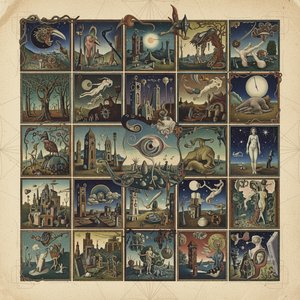
Descubre las 25 obras maestras de Max Ernst, el rey del surrealismo. Explora su arte onírico, técnicas innovadoras y simbolismo profundo. Reproducciones de alta calidad para decorar tu hogar con estilo en Most-Famous-Paintings.com

Embark on a journey through the subconscious with our expert guide to Surrealism. Discover the profound symbolism of masters like Dalí and Ernst, exploring how dreamlike imagery reshaped art history and continues to inspire collectors and enthusiasts worldwide.

Descubre los 10 cuadros surrealistas más influyentes de artistas como Dalí y Magritte. Explora la historia, el simbolismo y las técnicas del movimiento surrealista. Encuentra reproducciones de arte de museo en Most-Famous-Paintings.com.

Explore the fascinating world of Surrealism! Discover its origins, key artists like Dalí & Magritte, and enduring influence on art & culture. Expert insights & high-quality reproductions at Most-Famous-Paintings.
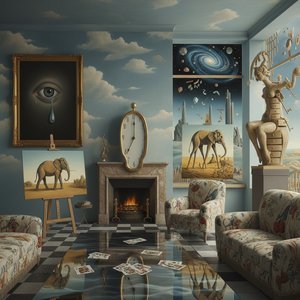
Descubre las 10 obras maestras del Surrealismo con Dalí, Magritte y Miró. Explora la historia, el simbolismo y la técnica de estos íconos del arte moderno. Encuentra reproducciones de alta calidad para tu hogar en .


Manténgase al día con las últimas noticias de arte, ofertas exclusivas e ideas de decoración.
Cuéntanos sobre tu proyecto y nuestros expertos en arte te ofrecerán 3 sugerencias de obras personalizadas.
Permítenos seleccionar 3 opciones exclusivas para ti – ¡Gratis!


 Ver en contexto
 Enviar
 Compartir
 Detalles

 Descargar
 Similares
 Radiografía
 Presentación de diapositivas
 Ver más







 La opción de vidrio solo está disponible en tamaños inferiores a 110 cm.


