Vende tu arte
Lista de deseos Carrito de compras Cart
x
Vista previaVista previa Vista previa en RAVista previa en RA Pedir impresión Pedir impresiónComprar descarga Comprar descarga CompartirCompartir
Ver detallesVer detalles Añadir a favoritos Añadir a favoritos DescargarDescargar Ver similaresVer similares RadiografíaRadiografía Presentación de diapositivasPresentación de diapositivas

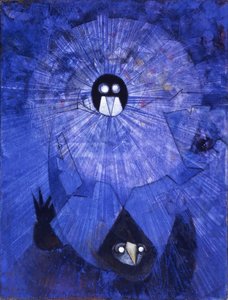
untitled (5436)

A surrealist painting featuring a woman seated in a chair with her head turned sideways, accompanied by a dog and cat, alongside a bird perched on a dresser. Created by Max Ernst, known for his innovative techniques like frottage and grattage.

¡Explora el mundo surrealista de Max Ernst (1891-1976), un pionero del Dada y el Surrealismo! Descubre sus innovadoras técnicas de frottage, collages y pinturas oníricas con aves, paisajes y temas psicológicos. #MaxErnst #Surrealismo #Dada

Reproducción al óleo hecha a mano

Óleo sobre lienzo pintado a mano en el tamaño y marco de su elección, realizado por encargo por nuestros artistas. (Pedir impresión Pedir impresiónComprar descarga Comprar descarga)

P118B $10
P118H $10
P118W $10
P438Z $10
P508JH $12
P508YH $12
P805H $10
P805Z $10
P919BZ $10
P919G $10
P919XJ $10
P959ZH $10
P968JZ $12
W106C $8
W218G $10
W218JH $8
W218Y $10
W307PJ $10
W316G $10
W316PJ $8
W316Y $10
W398PJ $8
W4111J $10
W500HY $15
W500JH $15
W692G $12
W849H $8
W940BG $15
W953PJ $8

Standard
custom
CM
INCH

Elija entre nuestros tamaños predefinidos que respetan las proporciones originales de la obra.

ancho
altura

Puede ingresar sus propias dimensiones para adaptarse a un marco o espacio específico. Si el tamaño seleccionado no coincide con las proporciones de la imagen original, recortaremos la obra o extenderemos la pintura con elementos adicionales pintados a mano. Se le enviará una maqueta digital para su aprobación antes de comenzar la producción.
Tenga en cuenta que la vista previa en pantalla no refleja el recorte o la extensión reales. Solo la maqueta mostrará con precisión la composición final.
Si bien existen tamaños personalizados, recomendamos seleccionar una dimensión de la lista predefinida para preservar las proporciones originales.

Ejemplos de lo que se puede personalizar: Reemplace el rostro con una foto del cliente; Agregue una mascota (por ejemplo, cambie un gato por un perro); Incluya un mensaje oculto en el fondo; Cambie el paisaje o los elementos del fondo.
Tras realizar el pedido, el equipo de Most-Famous-Paintings.com enviará un correo electrónico al cliente para solicitar instrucciones y proporcionarle una vista previa del boceto.

Envío a todo el mundo () en 3-4 semanas en lugar de las 5 semanas estándar. (17 agosto). Sin comprometer la calidad.

why_choose_icon
Envío exprés gratuito a todo el mundo
why_choose_icon
Lienzo de lino de alta calidad
why_choose_icon
Seguro de envío completo
why_choose_icon
Garantía de reembolso de aranceles aduaneros
why_choose_icon
Garantía de fidelidad cromática exacta
why_choose_icon
Política de devolución de 60 días (solo por defectos)
why_choose_icon
Garantía de devolución del 100% del dinero
why_choose_icon
Oferta por volumen

Precio total

$ 272

reproduction

untitled (5436)

Técnica de reproducción

Tamaño de la reproducción

-

Precio total

$ 272

Datos clave

  • Artistic style: Automatism
  • Influences: Dada
  • Notable elements or techniques: Frottage, Grattage
  • Year: 1920s
  • Artist: Max Ernst
  • Movement: Surrealism
  • Subject or theme: Fantasy

Cuestionario de arte

Cada pregunta tiene una única respuesta correcta.

Pregunta 1:
What artistic movement is Max Ernst primarily associated with?
Pregunta 2:
Describe the technique Ernst employed to create images in this painting.
Pregunta 3:
What is prominent on the left side of the image?
Pregunta 4:
The painting’s atmosphere can be best described as:
Pregunta 5:
What animal is perched on the dresser in this artwork?

Descripción de la obra

A Portal into the Subconscious

Max Ernst’s “Untitled (5436)” serves as much more than a mere canvas; it is a meticulously crafted invitation into a dreamscape where the boundaries between reality and the psyche dissolve. In this 1968 masterpiece, we encounter a tableau of unsettling beauty, a scene that feels both intimately familiar and profoundly alien. A woman sits poised in a chair, her gaze directed toward something unseen beyond the frame, pulling the viewer into her silent contemplation. Around her, the world is populated by an enigmatic cast: a dog lurking in the upper periphery, a cat resting at the edge of our vision, and a bird perched precariously upon a dresser. This arrangement of figures and objects—a mirror, a dresser, a collection of souls—creates a surrealist tension that challenges our perception of domestic stability, transforming a quiet room into a stage for the unexpected.

The Alchemy of Texture and Chance

To gaze upon this work is to witness the physical manifestation of Ernst’s revolutionary techniques. Eschewing the rigid constraints of academic realism, the artist employed frottage—the art of rubbing textures onto the canvas—to bypass the rational mind and tap into the primal impulses of the subconscious. By transferring the grain of wood or the weave of fabric through pencil and stylus, Ernst allowed chance to dictate the composition, creating an image defined by its ambiguity and depth. This is further enriched by grattage, a process of scraping away layers of pigment to reveal hidden, ghostly impressions beneath the surface. The resulting interplay of light and shadow creates an ethereal atmosphere, where every textured ridge and scraped void contributes to a sense of profound mystery, making it a captivating centerpiece for any collection seeking depth and tactile intrigue.

An Enduring Echo of the Surrealist Spirit

Emerging from the intellectual ferment of the post-war era, “Untitled (5436)” carries the weight of history within its textured layers. Ernst, a pioneer of both the Dada movement and Surrealism, utilized his art as a rebellion against the logic and rationality that had failed much of humanity during the early 20th century. This painting reflects the disillusionment and psychological complexity of an era seeking meaning amidst chaos. For the discerning collector or interior designer, this piece offers more than mere decoration; it provides a profound emotional resonance. It is a work that demands contemplation, offering a window into the anxieties and desires of the human condition, making it an enduringly powerful addition to any sophisticated space.

Biografía del artista

Max Ernst: Una Vida en el Surrealismo

Juventud y Educación

  • Nacido: 1 de abril de 1891, en Brühl, Alemania.
  • El padre de Ernst, Philipp Ernst, era maestro de sordos y pintor aficionado, fomentando el interés temprano de Max por el arte.
  • Estudió filosofía, historia del arte, literatura, psicología y psiquiatría en la Universidad de Bonn desde 1909.
  • Esta diversa formación académica influyó profundamente en sus posteriores exploraciones artísticas.

Desarrollo Artístico e Influencias

  • Un momento decisivo fue la exposición Sonderbund en Colonia (1912), donde conoció obras de Pablo Picasso, Vincent van Gogh, y Paul Gauguin.
  • En 1914, conoció a Hans Arp, comenzando una amistad que duró toda la vida e influyó significativamente en su trayectoria artística.
  • La Primera Guerra Mundial impactó profundamente a Ernst; sus experiencias como soldado llevaron al desencanto y a una visión crítica de la sociedad.
  • Se sintió influenciado por las obras de Sigmund Freud, explorando temas de la mente inconsciente en su arte.

Dada y Surrealismo

  • Ernst se convirtió en una figura clave del grupo Dada de Colonia después de la Primera Guerra Mundial, rechazando las convenciones artísticas tradicionales.
  • Pionero en técnicas innovadoras como frottage (frotar lápiz sobre superficies texturizadas) y grattage (raspar pintura para revelar capas subyacentes).
  • En la década de 1920, se unió al movimiento Surrealista en París, colaborando con artistas como Paul Éluard.
  • Su obra durante este período exploró imágenes oníricas y temas psicológicos.

Obras Principales y Técnicas

  • Frottage: Una técnica utilizada para crear texturas e imágenes inesperadas, ejemplificada en muchas de sus obras.
  • Collage: Ernst empleó con frecuencia el collage, combinando elementos dispares para crear composiciones surrealistas.
  • Obras Notables:
    • La Ciudad Entera
    • Euclides
    • De Esto Ninguno Debería Saber
    • Bosque y Paloma
  • Sus pinturas a menudo presentan imágenes simbólicas, incluyendo pájaros (particularmente su alter ego Loplop), paisajes y yuxtaposiciones inquietantes.

Vida Tardía y Legado

  • Ernst se trasladó a Estados Unidos durante la Segunda Guerra Mundial, continuando pintando y experimentando con nuevas técnicas.
  • Regresó a Francia después de la guerra y permaneció activo hasta su muerte el 1 de abril de 1976, en París.
  • Significado Histórico: Las contribuciones de Max Ernst a Dada y Surrealismo fueron innovadoras. Desafió las normas artísticas, exploró la mente subconsciente e inventó técnicas innovadoras que continúan inspirando a los artistas de hoy en día.
  • Sigue siendo una de las figuras más importantes e influyentes del arte del siglo XX.
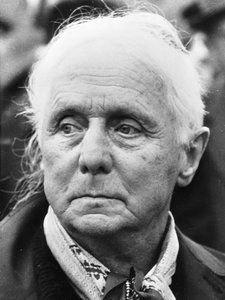
Max Ernst

Max Ernst

1891 - 1976 , Alemania

Datos clave

  • Artistas Influenciados: ['Muchos artistas posteriores']
  • Artistas Que Influyeron:
    • Pablo Picasso
    • Vincent van Gogh
    • Paul Gauguin
    • Sigmund Freud
  • Fecha De Muerte: 1 de abril de 1976
  • Fecha De Nacimiento: 1 de abril de 1891
  • Lugar De Nacimiento: Brühl, Alemania
  • Movimiento Artístico: Dadaísmo y Surrealismo
  • Nacionalidad: Alemán/Americano/Francés
  • Nombre Completo: Max Ernst
  • Obras Notables:
    • La Ciudad Entera
    • Euclides
    • Bosque y Paloma
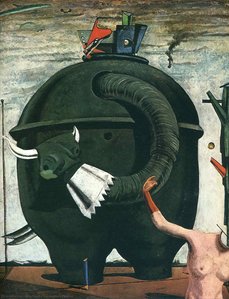
    • El Elefante de Célebes
Explore obras de arte organizadas por temas, estilos y características.