x

Impresiones giclée o en lienzo de calidad de museo con producción rápida y opciones de acabado flexibles. ( Encargar reproducción pintada a mano Comprar descarga)





























Elija entre nuestros tamaños predefinidos que respetan las proporciones originales de la obra.

Puede introducir sus propias dimensiones para adaptarse a un marco o espacio específico. Si el tamaño seleccionado no coincide con las proporciones de la imagen original, recortaremos la obra de arte o extenderemos la imagen con un borde con efecto espejo o de color sólido. Se enviará una maqueta digital para su aprobación antes de que comience la producción.
Tenga en cuenta que la vista previa en pantalla no refleja el recorte o la extensión real. Solo la maqueta mostrará con precisión la composición final.
Aunque existen tamaños personalizados, recomendamos seleccionar una dimensión de la lista predefinida para preservar las proporciones originales.
Envío a todo el mundo () en 2 semanas en lugar de las 4/5 semanas estándar. (20 agosto)


untitled (594)
Tamaño de la reproducción
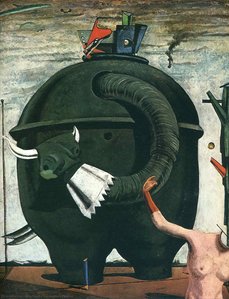
To gaze upon Max Ernst’s “untitled (594)” is to step through a threshold where the boundaries of reality begin to dissolve. This evocative Surrealist masterpiece serves as more than just a painting; it is a window into a dreamscape, inviting the viewer to abandon logic and embrace the profound mysteries of the psyche. At its heart, the composition presents a striking juxtaposition of the organic and the inorganic. A solitary figure reaches out from the frame of a window, their hand clutching an apple—a gesture that feels simultaneously intimate and deeply unsettling. Flanked by two potted plants that ground the scene in a semblance of domesticity, the artwork creates a tension between the familiar comfort of a home and the enigmatic shadows of the unknown. A smaller, ghostly silhouette lingers in the background, adding a layer of spectral depth that keeps the eye wandering through its layered narrative.
The technical brilliance of this piece lies in Ernst’s mastery of mixed media, a method that allows for an extraordinary textural richness. By likely combining oil paint with delicate collage elements, Ernst achieves a visual complexity that mirrors the fragmented nature of dreams. The incorporation of printed matter fragments creates a tactile, weathered surface, as if the artwork itself were a recovered relic from a forgotten memory. This technique is quintessential to the Surrealist movement, where the artist’s hand works in tandem with chance and texture to bypass the rational mind. For the collector or interior designer, this piece offers a sophisticated interplay of depth and shadow, making it a commanding focal point that rewards close, contemplative inspection.
Every element within “untitled (594)” is heavy with symbolic resonance, deeply rooted in the intellectual climate of the early 20th century. The apple, a recurring motif throughout Ernst’s oeuvre, acts as a powerful signifier of fertility, temptation, and the pursuit of knowledge. Its placement in the figure's grasp suggests a moment of profound vulnerability—a receptiveness to the influences of the subconscious. Similarly, the window serves as a metaphor for introspection; it is both a barrier and a bridge, representing the artist’s gaze outward onto an irrational realm while simultaneously reflecting his internal intellectual quest. Even the presence of a clock in the upper corner introduces the Surrealist obsession with the fluidity of time, disrupting the stillness of the scene.
Historically, this work emerged from the fertile, turbulent years between 1924 and 1930, a period when Ernst was refining his voice within the Dada and Surrealist movements. Born from the disillusionment following the horrors of World War I, Surrealism sought to liberate the human spirit through irrational thought and the exploration of Freud’s psychoanalytic theories. This piece captures that very spirit of rebellion against conventional perception. The muted, earthy color palette enhances a palpable sense of melancholy and quiet contemplation, making it an ideal acquisition for those who appreciate art that provokes deep thought. Whether displayed in a modern gallery setting or as a centerpiece in a curated home collection, “untitled (594)” remains a timeless testament to the beauty found within the enigmatic and the unexplained.


1891 - 1976 , Alemania

Explore the profound depths of Surrealism. From Dalí’s dreamscapes to Magritte’s enigmas, master the history of the subconscious mind through our expert art guide and discover museum-quality oil reproductions of the world's most iconic surrealist masterpieces.

Explore the profound depths of Surrealism through a scholarly lens. Discover the symbolism, history, and technical brilliance behind masterpieces by Salvador Dalí and other icons. Gain expert insights into the dreamlike subconscious and the enduring legacy of Surrealist art.

Explore the profound depths of Surrealism with our expert guide. From Dalí's dreamscapes to Breton's manifesto, uncover the history, symbolism, and technical mastery of this revolutionary movement. Perfect for students and collectors seeking deep art-historical insight.


Manténgase al día con las últimas noticias de arte, ofertas exclusivas e ideas de decoración.
Cuéntanos sobre tu proyecto y nuestros expertos en arte te ofrecerán 3 sugerencias de obras personalizadas.
Dejamos que nosotros seleccionemos 3 opciones exclusivas para ti – ¡Gratis!


 Vista previa
 Compartir
 Compartir
 Ver detalles

 Descargar
 Ver similares
 Radiografía
 Presentación de diapositivas

 Leer más







 La opción de vidrio solo está disponible en tamaños inferiores a 110 cm.