x


 Preview
 Comprar impresión Comprar imagen en alta resolución
 Enviar
 Detalles
 Añadir a favoritos
 Descargar
 Similares
 Radiografía
 Presentación de diapositivas
Óleo sobre lienzo pintado a mano en el tamaño y marco de su elección, realizado por encargo por nuestros artistas.





























Elija entre nuestros tamaños predefinidos que respetan las proporciones originales de la obra.

Puede ingresar sus propias dimensiones para adaptarse a un marco o espacio específico. Si el tamaño seleccionado no coincide con las proporciones de la imagen original, recortaremos la obra o extenderemos la pintura con elementos adicionales pintados a mano. Se le enviará una maqueta digital para su aprobación antes de comenzar la producción.
Tenga en cuenta que la vista previa en pantalla no refleja el recorte o la extensión reales. Solo la maqueta mostrará con precisión la composición final.
Si bien existen tamaños personalizados, recomendamos seleccionar una dimensión de la lista predefinida para preservar las proporciones originales.
Entrega mundial () en 3-4 semanas en lugar de las 5 semanas estándar. (25 julio). Sin compromisos con la calidad.


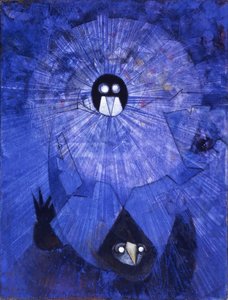
untitled (7248)
Tamaño de la reproducción
Max Ernst’s “Untitled (7248),” painted in 1935, stands as an arresting testament to the burgeoning surrealist movement and its preoccupation with exploring the subconscious mind. More than just a visually striking image—a man morphing into a canine visage amidst avian companions—the painting invites contemplation on themes of identity, transformation, and the unsettling beauty found within irrationality.
Ernst’s approach to art was fundamentally rooted in experimentation. He eschewed traditional oil painting techniques, favoring instead collage – meticulously assembling disparate materials like paper fragments, printed images, and fabric scraps onto a canvas surface. This technique wasn't merely stylistic; it served as a deliberate strategy for bypassing conscious control and accessing primal impulses. The resulting textured surface reflects the artist’s desire to capture not just what he *saw*, but what his subconscious *felt*.
“Untitled (7248)” emerged during the turbulent Weimar Republic era in Germany—a period marked by political instability, economic hardship, and a pervasive sense of unease. Surrealism arose as a reaction to these anxieties, offering an aesthetic antidote to rational optimism. Artists like Ernst sought to liberate themselves from societal constraints and delve into realms beyond logic, mirroring the psychological landscape of their time.
The central figure—a man whose face has been transformed into a dog’s countenance—immediately grabs attention. This unsettling juxtaposition symbolizes anxieties surrounding masculinity, vulnerability, and the loss of human form. Simultaneously, the birds circling overhead represent freedom, aspiration, and perhaps also a hint of disorientation. Ernst skillfully employs symbolism to convey complex ideas about the human condition, prompting viewers to consider hidden meanings beneath the surface.
"Untitled (7248)" isn’t intended to elicit comfortable emotions; rather, it confronts us with a palpable sense of unease and disorientation. Ernst's masterful manipulation of color—bold reds, yellows, and blues—amplifies the painting’s emotional intensity. The overall effect is one of captivating beauty intertwined with psychological depth, inviting viewers into a dialogue about confronting inner turmoil and embracing the transformative power of irrational thought.

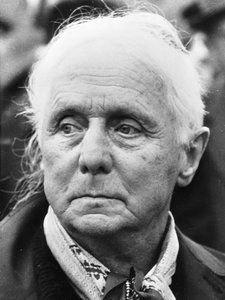
1891 - 1976 , Alemania
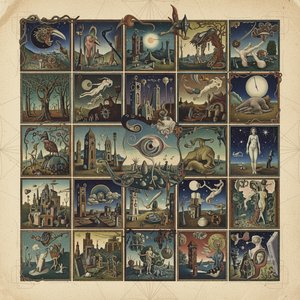
Descubre las 25 obras maestras de Max Ernst, el rey del surrealismo. Explora su arte onírico, técnicas innovadoras y simbolismo profundo. Reproducciones de alta calidad para decorar tu hogar con estilo en Most-Famous-Paintings.com
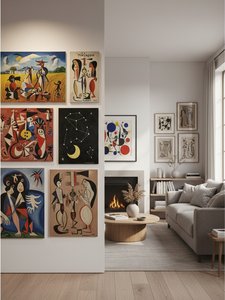
Descubre las 25 obras maestras de Joan Miró, el genio del surrealismo catalán. Explora su arte abstracto, colores vibrantes y la historia detrás de cada cuadro. Reproducciones de alta calidad en Most-Famous-Paintings.com para transformar tu hogar con arte original.

Descubre la fascinante evolución del Surrealismo en la pintura. Explora sus orígenes, técnicas innovadoras y las obras maestras de Dalí, Magritte y Miró. Un análisis profundo para amantes del arte.

Descubre los 10 lienzos surrealistas más influyentes de artistas como Dalí y Magritte. Explora la historia, el simbolismo y las técnicas del movimiento surrealista. Encuentra reproducciones de arte de museo en Most-Famous-Paintings.com.
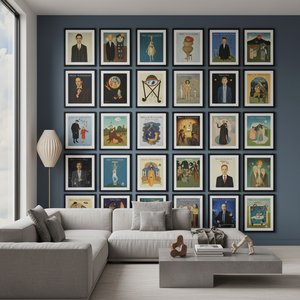
Descubre las 25 obras maestras de René Magritte, el rey del surrealismo. Explora su arte moderno, significado oculto y técnica única. Encuentra reproducciones de alta calidad e inspira tu hogar con Most-Famous-Paintings.com.


Manténgase al día con las últimas noticias de arte, ofertas exclusivas e ideas de decoración.
Cuéntanos sobre tu proyecto y nuestros expertos en arte te ofrecerán 3 sugerencias de obras personalizadas.
Permítenos seleccionar 3 opciones solo para ti – ¡Gratis!


 Compartir


 Ver más







 La opción de vidrio solo está disponible en tamaños inferiores a 110 cm.