x


 Preview
 Encargar reproducción Comprar imagen en alta resolución
 Enviar
 Detalles
 Añadir a favoritos
 Descargar
 Similares
 Radiografía
 Presentación de diapositivas
Impresión giclée o en lienzo de calidad de museo con producción rápida y opciones de acabado flexibles.





























Elija entre nuestros tamaños predefinidos que respetan las proporciones originales de la obra.

Puede introducir sus propias dimensiones para adaptarse a un marco o espacio específico. Si el tamaño seleccionado no coincide con las proporciones de la imagen original, recortaremos la obra de arte o extenderemos la imagen con un borde con efecto espejo o de color sólido. Se enviará una maqueta digital para su aprobación antes de que comience la producción.
Tenga en cuenta que la vista previa en pantalla no refleja el recorte o la extensión real. Solo la maqueta mostrará con precisión la composición final.
Aunque existen tamaños personalizados, recomendamos seleccionar una dimensión de la lista predefinida para preservar las proporciones originales.
Entrega mundial () en 2 semanas en lugar de las 4/5 semanas estándar. (25 julio)


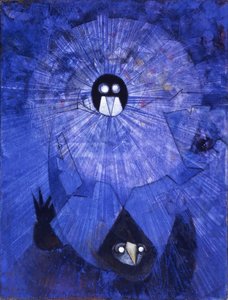
untitled (8170)
Tamaño de la reproducción
Max Ernst's "Untitled (8170)" isn’t merely a painting; it’s an immersion into the fractured logic of the subconscious. Completed in the crucible of post-war Europe, this surrealist masterpiece—a haunting blend of human and animal forms set against a stark blue backdrop—demands contemplation long after initial viewing. It's a visual echo of the anxieties and psychological explorations that defined Ernst’s entire career, reflecting his profound engagement with Dadaism, Freudian psychology, and the unsettling realities of a world irrevocably altered by conflict.
The painting immediately arrests the eye with its dual faces. One, undeniably human, is rendered in a mask-like state, suggesting concealment, perhaps even a deliberate attempt to shield identity from an unseen force. This figure’s gaze is averted, inviting us into a realm of private thought and unspoken anxieties. Juxtaposed against it is the startling visage of a dog—a creature often associated with instinct, loyalty, and primal urges—but here transformed by the addition of a bird's head. This hybrid form speaks to a potent symbolism: the animalistic instincts overlaid with the desire for flight, freedom, and perhaps even transcendence. The blue background isn’t simply decorative; it acts as an oppressive void, amplifying the sense of isolation and unease that permeates the scene.
Ernst was a master of unconventional techniques, constantly pushing the boundaries of traditional painting. “Untitled (8170)” exemplifies his innovative approach, particularly through the use of frottage and grattage. These methods—developed during his time in Cologne—involved rubbing pencil over textured surfaces to create unexpected patterns and images, then scraping away the excess paint to reveal these hidden forms. This process deliberately disrupted the surface, mirroring the disruption within the subconscious mind that Ernst sought to capture. The deliberate roughness of the paint application, combined with the sharp contrasts between light and shadow, contributes significantly to the painting’s unsettling atmosphere.
Furthermore, the collage elements—likely incorporated through techniques similar to those he pioneered – subtly suggest a layering of memories and experiences. The fragmented nature of the composition mirrors the fractured state of consciousness often associated with dreams and trauma. The meticulous attention to detail in rendering each element, despite the overall sense of chaos, speaks to Ernst’s rigorous artistic process—a careful balancing act between control and surrender to the unpredictable.
The imagery within “Untitled (8170)” resonates with themes prevalent in Ernst's work following World War I. The mask, the animalistic hybrid, and the desolate blue background all evoke a sense of loss, disillusionment, and the psychological scars left by conflict. Ernst’s own experiences as a soldier—a period he famously described as “dying and being resurrected”—clearly informed his artistic vision. The bird's head on the dog suggests a yearning for escape from the horrors of war, a desire to transcend earthly limitations. It also hints at a critique of humanity’s destructive tendencies, symbolized by the animalistic form.
The painting can be interpreted as an exploration of identity—the struggle to maintain a coherent self in the face of overwhelming external forces and internal turmoil. It's a powerful reminder that beneath the surface of rational thought lies a complex and often unsettling landscape of primal instincts, repressed desires, and unresolved traumas. “Untitled (8170)” is not simply a beautiful image; it’s a profound meditation on the human condition.

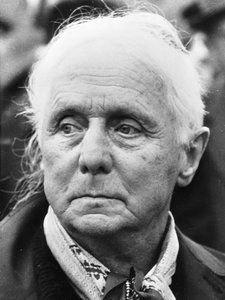
1891 - 1976 , Alemania

Descubra el dadaísmo: su origen radical, artistas clave como Arp y Richter, y su impacto en el arte moderno. Análisis experto de este movimiento revolucionario y su legado estético.

Descubre los fundamentos filosóficos del Surrealismo. Explora su contexto histórico, la influencia de Freud y las técnicas clave con análisis experto. Un viaje al corazón de este revolucionario movimiento artístico.

Explore the life & art of Frida Kahlo – a journey through surrealism, identity, pain, and resilience. Discover her autobiographical masterpieces & lasting feminist legacy with Most-Famous-Paintings.
Descubre las 10 obras maestras del Surrealismo con Dalí, Magritte y Miró. Explora la historia, el simbolismo y la técnica de estos íconos del arte moderno. Encuentra reproducciones de alta calidad para tu hogar en .

Inmortalice el alma de su mascota con un retrato hiperrealista pintado a mano por artistas expertos. Calidad museo, proceso transparente y garantía total en Most-Famous-Paintings. Un legado emocional único.


Manténgase al día con las últimas noticias de arte, ofertas exclusivas e ideas de decoración.
Cuéntanos sobre tu proyecto y nuestros expertos en arte te ofrecerán 3 sugerencias de obras personalizadas.
Permítenos seleccionar 3 opciones solo para ti – ¡Gratis!


 Compartir


 Ver más







 La opción de vidrio solo está disponible en tamaños inferiores a 110 cm.