x


 Encargar reproducción Comprar imagen en alta resolución
 Enviar
 Detalles
 Añadir a favoritos
 Descargar
 Similares
 Radiografía
 Presentación de diapositivas
Impresión giclée o en lienzo de calidad de museo con producción rápida y opciones de acabado flexibles.





























Elija entre nuestros tamaños predefinidos que respetan las proporciones originales de la obra.

Puede introducir sus propias dimensiones para adaptarse a un marco o espacio específico. Si el tamaño seleccionado no coincide con las proporciones de la imagen original, recortaremos la obra de arte o extenderemos la imagen con un borde con efecto espejo o de color sólido. Se enviará una maqueta digital para su aprobación antes de que comience la producción.
Tenga en cuenta que la vista previa en pantalla no refleja el recorte o la extensión real. Solo la maqueta mostrará con precisión la composición final.
Aunque existen tamaños personalizados, recomendamos seleccionar una dimensión de la lista predefinida para preservar las proporciones originales.
Entrega mundial () en 2 semanas en lugar de las 4/5 semanas estándar. (23 julio)


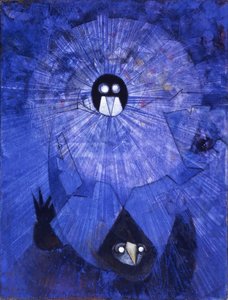
untitled (9522)
Tamaño de la reproducción
Max Ernst's "Untitled (9522)" is more than just a depiction of a beach scene; it’s an immersion into the subconscious, a meticulously crafted exploration of the surreal. Painted in 1943, during a period of intense artistic experimentation for the German-born artist, this work exemplifies Ernst’s core approach to Surrealism – not simply mimicking dreams, but actively constructing them through a deliberate process of association and disruption.
Understanding “Untitled (9522)” requires acknowledging the profound intellectual currents that shaped Max Ernst’s artistic vision. Born in 1891 in Brühl, Germany, Ernst was a voracious reader and student of philosophy, psychology, and art history – disciplines he pursued with an almost obsessive intensity. His academic background at Bonn University, where he studied under figures like Freud and Jung, profoundly influenced his approach to art. He wasn’t interested in merely representing the external world; instead, he sought to unlock the hidden realities residing within the human psyche. This pursuit led him to explore automatism – a technique of spontaneous creation without conscious control – as a means of accessing the unconscious mind.
The painting’s symbolism is deliberately ambiguous, inviting multiple interpretations. The birds, frequently associated with freedom and spirituality in art history, here seem trapped within their flight, perhaps reflecting the anxieties of wartime Europe. The shell, a recurring motif in Ernst's work, can be seen as representing both fragility and the remnants of the past. The beach itself – a liminal space between land and sea – further amplifies this sense of unease and transition. Ernst’s intention was to evoke a feeling of disorientation and psychological tension, prompting viewers to confront their own subconscious fears and desires.
"Untitled (9522)" was created during World War II, a period of immense upheaval and uncertainty. This context undoubtedly informs the painting’s unsettling atmosphere. Max Ernst’s work, particularly during this time, became increasingly preoccupied with themes of displacement, loss, and the fragility of human existence. His contribution to Surrealism extended beyond mere aesthetic experimentation; he was a pioneer in challenging conventional notions of reality and exploring the darker recesses of the human mind. His influence continues to resonate within contemporary art, solidifying his position as one of the 20th century’s most innovative and enduring artists.

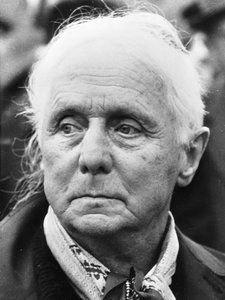
1891 - 1976 , Alemania

Descubre las 10 obras maestras del Surrealismo Expresionista con Most-Famous-Paintings. Explora la historia de Dalí, Magritte y Miró, su técnica y significado. Encuentra reproducciones de arte exclusivas para transformar tu hogar. ¡Explora la colección completa en Most-Famous-Paintings.com!

Descubre el encanto del arte vintage con . Reproducciones hechas a mano, personalización experta y acceso fácil a obras maestras. ¡Transforma tu hogar con arte!
Descubre las 25 obras maestras de Max Ernst, el rey del surrealismo. Explora su arte onírico, técnicas innovadoras y simbolismo profundo. Reproducciones de alta calidad para decorar tu hogar con estilo en Most-Famous-Paintings.com

Descubre la fascinante evolución del Surrealismo en la pintura. Explora sus orígenes, técnicas innovadoras y las obras maestras de Dalí, Magritte y Miró. Un análisis profundo para amantes del arte.

Descubre los 10 lienzos surrealistas más influyentes de artistas como Dalí y Magritte. Explora la historia, el simbolismo y las técnicas del movimiento surrealista. Encuentra reproducciones de arte de museo en Most-Famous-Paintings.com.


Manténgase al día con las últimas noticias de arte, ofertas exclusivas e ideas de decoración.
Cuéntanos sobre tu proyecto y nuestros expertos en arte te ofrecerán 3 sugerencias de obras personalizadas.
Permítenos seleccionar 3 opciones solo para ti – ¡Gratis!


 Compartir


 Ver más







 La opción de vidrio solo está disponible en tamaños inferiores a 110 cm.