Vende tu arte
Lista de deseos Carrito de compras Cart
x
Vista previaVista previa Vista previa en RAVista previa en RA Encargar reproducción pintada a mano Encargar reproducción pintada a manoComprar descarga Comprar descarga CompartirCompartir
Ver detallesVer detalles Añadir a favoritos Añadir a favoritos DescargarDescargar Ver similaresVer similares RadiografíaRadiografía Presentación de diapositivasPresentación de diapositivas

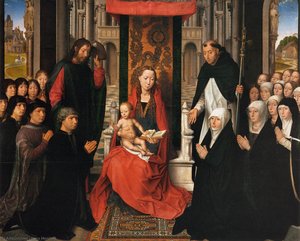
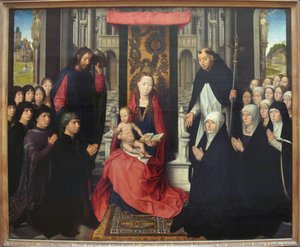
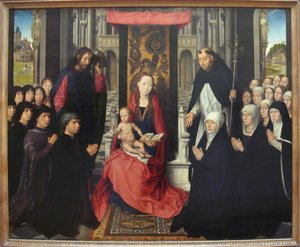
Virgin and Child Enthroned

Marvel at Hans Memling's 'Virgin and Child Enthroned,' a stunning 1480 oil painting showcasing serene beauty, divine figures, and intricate details of the Virgin Mary with Christ Child.

Descubre el misterioso 'Retrato de un Hombre Desconocido con una Carta' de Hans Memling. Un retrato del Renacimiento que evoca intriga y belleza, ahora disponible como reproducción de alta calidad.

Giclée / Impresión de arte

Impresiones giclée o en lienzo de calidad de museo con producción rápida y opciones de acabado flexibles. (Encargar reproducción pintada a mano Encargar reproducción pintada a manoComprar descarga Comprar descarga)

P118B $10
P118H $10
P118W $10
P438Z $10
P508JH $12
P508YH $12
P805H $10
P805Z $10
P919BZ $10
P919G $10
P919XJ $10
P959ZH $10
P968JZ $12
W106C $8
W218G $10
W218JH $8
W218Y $10
W307PJ $10
W316G $10
W316PJ $8
W316Y $10
W398PJ $8
W4111J $10
W500HY $15
W500JH $15
W692G $12
W849H $8
W940BG $15
W953PJ $8

Standard
custom
CM
INCH

Elija entre nuestros tamaños predefinidos que respetan las proporciones originales de la obra.

ancho
altura

Puede introducir sus propias dimensiones para adaptarse a un marco o espacio específico. Si el tamaño seleccionado no coincide con las proporciones de la imagen original, recortaremos la obra de arte o extenderemos la imagen con un borde con efecto espejo o de color sólido. Se enviará una maqueta digital para su aprobación antes de que comience la producción.
Tenga en cuenta que la vista previa en pantalla no refleja el recorte o la extensión real. Solo la maqueta mostrará con precisión la composición final.
Aunque existen tamaños personalizados, recomendamos seleccionar una dimensión de la lista predefinida para preservar las proporciones originales.

Envío a todo el mundo () en 2 semanas en lugar de las 4/5 semanas estándar. (20 agosto)

why_choose_icon
Envío exprés gratuito a todo el mundo
why_choose_icon
Lienzo de lino de alta calidad
why_choose_icon
Seguro de envío completo
why_choose_icon
Garantía de reembolso de aranceles aduaneros
why_choose_icon
Garantía de fidelidad cromática exacta
why_choose_icon
Política de devolución de 60 días (solo por defectos)
why_choose_icon
Garantía de devolución del 100% del dinero
why_choose_icon
Oferta por volumen

Precio total

$ 68

reproduction

Virgin and Child Enthroned

Giclée / Impresión de arte

Tamaño de la reproducción

-

Precio total

$ 68

Datos clave

  • Artistic style: Realistic, Intimate
  • Subject or theme: Religious, Devotion
  • Dimensions: 54.2 × 37.4 cm
  • Location: National Gallery, London
  • Artist: Hans Memling
  • Notable elements: Canopy, donor figure
  • Medium: Oil on wood

Cuestionario de arte

Cada pregunta tiene una única respuesta correcta.

Pregunta 1:
What is the primary subject of Hans Memling’s ‘Virgin and Child Enthroned with Two Angels’?
Pregunta 2:
According to the image description, what is notable about the composition of the painting?
Pregunta 3:
Hans Memling was primarily associated with which artistic movement?
Pregunta 4:
Based on the provided research, in what city did Hans Memling spend a significant portion of his career?
Pregunta 5:
What is the significance of the small roundel format of this painting, as suggested by the research?

Descripción de la pieza

Hans Memling’s Serene Sanctuary: The Virgin and Child Enthroned

Within the hushed galleries of museums and private collections resides a captivating miniature masterpiece – Hans Memling's “Virgin and Child Enthroned,” painted circa 1480. More than just a devotional image, this small panel offers a profound glimpse into the artist’s meticulous technique, his deep understanding of symbolism, and the prevailing spiritual atmosphere of late medieval Bruges. It’s a scene brimming with quiet dignity, maternal tenderness, and an almost palpable sense of divine grace – a testament to Memling's mastery of creating intimate moments within a grander narrative.

Memling, born in Seligenstadt, Germany, but ultimately establishing his career in the vibrant artistic hub of Bruges, was a pivotal figure in the Early Netherlandish movement. Trained initially under Rogier van der Weyden, he quickly developed a distinctive style characterized by remarkable detail, luminous colors, and an almost sculptural quality to his figures. Unlike some of his contemporaries who favored dramatic narratives, Memling excelled at capturing serene, contemplative scenes – often centered around the Virgin Mary and Christ Child. This particular piece exemplifies that strength, offering a rare moment of quiet intimacy within the context of Christian iconography.

A Throne of Light and Symbolism

The composition itself is deceptively simple yet profoundly rich in symbolic meaning. The Virgin Mary sits upon an elaborate throne, not of stone or metal, but rendered as a richly carved wooden structure – a deliberate choice that elevates the scene to a realm beyond the earthly. This throne, adorned with intricate tracery and volute armrests, isn’t merely a prop; it represents the divine authority and majesty of the Mother of God. Below her, Christ Child is enthroned upon her lap, his youthful face radiating an almost otherworldly serenity. The positioning—Mary's hand gently supporting the infant—immediately evokes the image of nursing, symbolizing not only physical nourishment but also spiritual sustenance.

Notice the careful attention to detail throughout the painting. The drapery is rendered with exquisite precision, each fold and pleat meticulously depicted. The light, emanating from an unseen source, bathes the scene in a soft, diffused glow, creating a sense of warmth and tranquility. Even the background landscape—a stylized depiction of a wooded area—contributes to the overall atmosphere of serenity and contemplation. The inclusion of a small cloth of honor, reminiscent of those used for royalty, further emphasizes Mary’s elevated status as Queen of Heaven.

The Donor and the Narrative Echoes

Adding another layer of complexity is the presence of an unidentified donor kneeling before the Virgin and Child. His posture suggests reverence and devotion, while his inclusion subtly references the tradition of commissioning religious art – a common practice among wealthy patrons of the time. Interestingly, the figure’s features are somewhat obscured, perhaps reflecting the artist's desire to focus attention on the central figures or hinting at the anonymity often associated with donors in such works. The presence of Saint George, depicted as a limp and lifeless dragon, reinforces the narrative of Christ’s sacrifice and redemption.

The painting is deeply rooted in the iconography of the era. Elements like the iris (representing sorrow) and the columbine (symbolizing mourning) subtly underscore the themes of loss and suffering associated with the life of Christ. Furthermore, it echoes earlier works by Rogier van der Weyden, particularly his “Virgin and Child Enthroned,” demonstrating Memling’s apprenticeship and his evolution as an artist. The influence of Robert Campin is also evident in the depiction of Mary's pose and the architectural setting.

A Window into a Renaissance Soul

“Virgin and Child Enthroned” isn’t simply a beautiful painting; it’s a window into the soul of a Renaissance artist grappling with profound spiritual questions. Memling’s meticulous technique, combined with his deep understanding of symbolism and iconography, creates an image that is both visually stunning and emotionally resonant. It's a testament to the enduring power of art to evoke contemplation, inspire devotion, and connect us to the timeless themes of faith, love, and sacrifice. Reproductions capture only a fraction of the original’s impact, but this small panel remains a powerful reminder of the beauty and serenity that can be found within the heart of medieval art.

Biografía del artista

Hans Memling: El Maestro de Detalle de Brujas y Patronazgo

Hans Memling (c. 1430 – agosto 11, 1494), nacido en Seligenstadt, Alemania, ocupa un lugar destacado entre los artistas de la pintura neerlandesa temprana —un movimiento caracterizado por el realismo exquisito, la observación meticulosa de la naturaleza y la profunda contemplación espiritual—. Aunque sus primeros años transcurrieron principalmente en el ámbito artístico del Rin, su trayectoria finalmente lo llevó a Brujas, Bélgica, donde se estableció como uno de los artistas más destacados de su tiempo y cultivó un amplio taller que difundió su estilo distintivo por toda Europa.

Primeros años y aprendizaje

Los detalles biográficos precisos sobre el nacimiento de Memling siguen siendo esquivos, pero el consenso académico sugiere que emergió de Mainz alrededor de 1430. Su educación artística comenzó bajo la tutela de Rogier van der Weyden, un gigante de la pintura flamenca cuyo dominio del óleo y el modelado escultórico influyó profundamente en la técnica de Memling. Esta formación inculcó en él una dedicación inquebrantable al detalle —una característica que definiría su obra— estableciendo las bases para su futuro éxito artístico.

Brujas y el taller

Para 1465, Memling obtuvo ciudadanía en Brujas, un centro comercial floreciente y epicentro artístico. Reconociendo el potencial de la creatividad colaborativa, fundó un taller con numerosos asistentes, fomentando un entorno de innovación y coherencia estilística. Este taller fue reconocido por producir reproducciones impresionantes de obras maestras —un testimonio del talento de Memling tanto como artista como pedagogo— convirtiéndose en una fuerza impulsora en el desarrollo artístico de la ciudad. Además, Memling acumuló riqueza gracias a sus encargos, demostrando su habilidad para atraer clientes importantes y asegurar proyectos prestigiosos.

Un estilo definido por precisión y patrocinio

El estilo artístico de Memling es inmediatamente reconocible: caracterizado por paletas cromáticas luminosas, capas de tejido plisado delicadamente trabajadas y un nivel asombroso de precisión anatómica. Estudió meticulosamente la anatomía humana —inspirándose en esculturas clásicas— para lograr un realismo sin precedentes en sus retratos y escenas religiosas por igual. Como muchos contemporáneos que favorecían pinceladas expresivas, Memling priorizó una observación cuidadosa y una ejecución meticulosa, lo que resultó en imágenes impregnadas de belleza serena y profundidad espiritual. Sus obras reflejan la influencia del Renacimiento italiano, especialmente en el uso de elementos escultóricos y ornamentación elaborada para crear espacios interiores impresionantes.
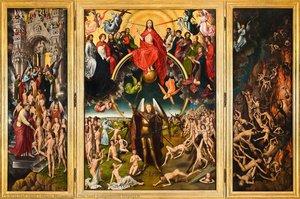
  • Obras maestras religiosas: Memling alcanzó la fama gracias a encargos lucrativos de clientes religiosos —principalmente clérigos y familias aristocráticas— que buscaban representaciones de santos y narrativas bíblicas que resonaran con piedad y prestigio. Ejemplos notables incluyen “El Juicio Final” en el Hospital St John de Brujas, una impresionante pintura mural que demuestra la maestría compositiva de Memling y su uso dramático del color.
  • Retratos: Memling destacó como pintor de retratos, capturando los rasgos de figuras prominentes con notable sensibilidad y comprensión psicológica —una habilidad que consolidó su lugar entre los artistas más grandes de su época—. Sus retratos —como “Retrato de un hombre con una flecha”— demuestran su capacidad para transmitir carácter mediante gestos sutiles y expresiones faciales— una cualidad que marcó una diferencia significativa en comparación con otros artistas contemporáneos.

Influencia y legado

El legado artístico de Memling trascendió su propia vida. Su taller produjo una amplia variedad de pinturas —muchas similares a las originales del artista— que propagaron el estilo distintivo de Memling por toda Flandes y más allá. Además, la técnica meticulosa de Memling sirvió como inspiración para generaciones posteriores de artistas —particularmente Quentin Massys, quien estableció la Escuela Antwerpen— consolidando así la posición de Memling como piedra angular del arte flamenco renacentista. Su obra sigue siendo estudiada y admirada por historiadores de arte y artistas contemporáneos como testimonio de su impacto duradero en el desarrollo artístico europeo.
Hans Memling

Hans Memling

Alemania

Datos clave

  • Artistic Movement Or Style: Arte Flamenco Primitivo
  • Artists Or Movements Influenced By This Artist: ['Escuela Antwerpen']
  • Artists Who Influenced This Artist: ['Rogier van der Weyden']
  • Date Of Birth: c. 1430
  • Date Of Death: August 11, 1494
  • Full Name: Hans Memling
  • Nationality: Alemana-Flamenca
  • Notable Artworks:
    • El Juicio Final
    • Tríptico Donne
    • Virgen con el Niño
  • Place Of Birth: Seligenstadt, Alemania
Explore obras de arte organizadas por temas, estilos y características.